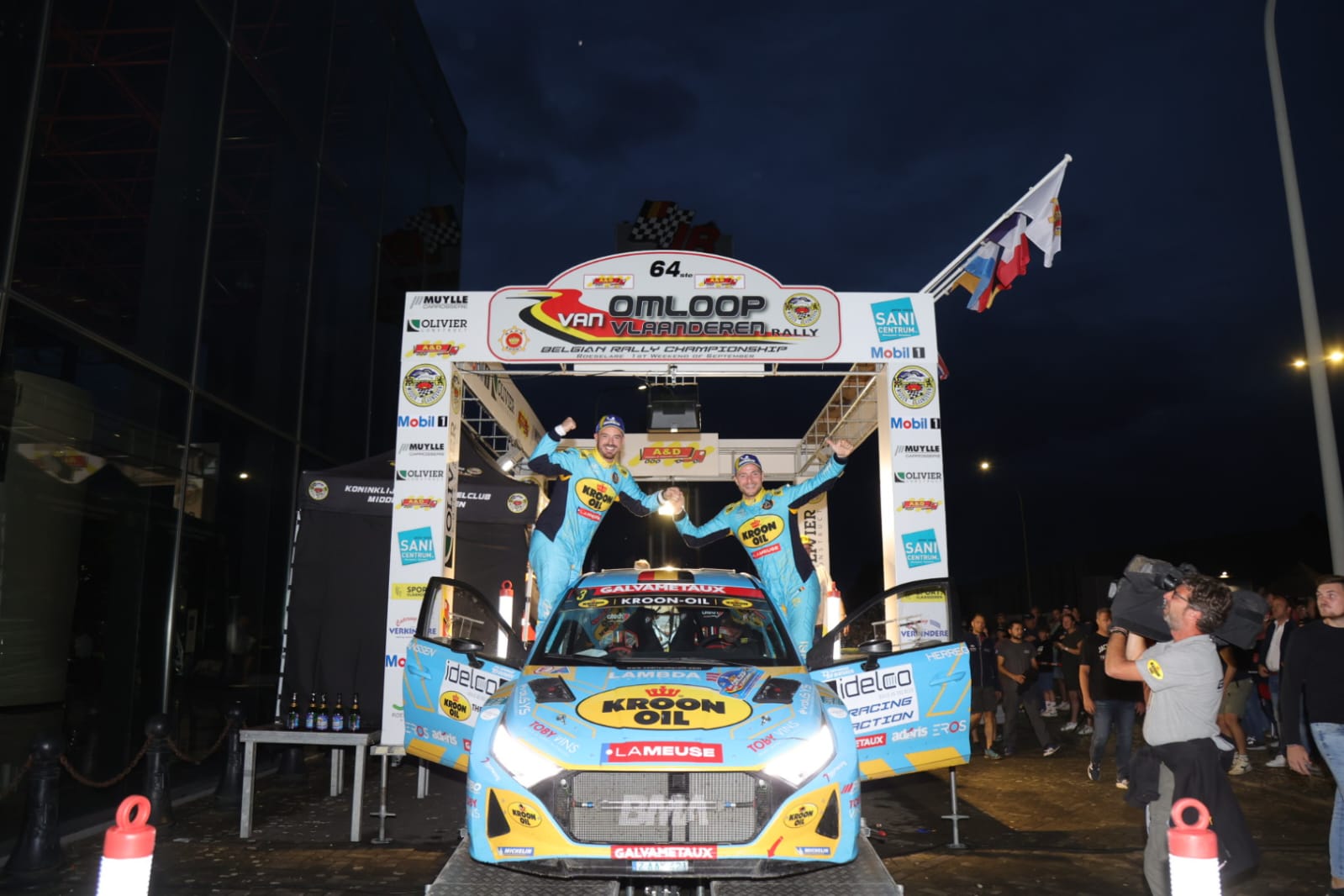
The Omloop van Vlaanderen returns this weekend to its traditional September slot, rooted in the heart of West Flanders and anchored by its home base in Roeselare. As one of the oldest and most storied rallies in Belgium, the event is not simply a round of the national championship but a celebration of local motor sport heritage. This year’s edition, stretching across Friday and Saturday, is set to deliver a classic test on technical tarmac roads interwoven with Flanders’ unmistakable landscape features.
Historical Significance
Founded in 1960, the Omloop van Vlaanderen carries the legacy of generations of Belgian rallying, its roll of honour populated by the nation’s greats. Over six decades, route and regulations have evolved in conversation with regional roads and the shifting priorities of the national championship, yet the rally has always maintained a uniquely Flemish identity. The traditions run deep: from the ceremonial start beneath the city’s ancient architecture to the local support lining the ditches and crossroads.
Rally Layout: Stages & Surface
This weekend sees competitors tackle upwards of twenty special stages, spanning a total competitive distance typically around 178 kilometres, depending on final listings and regulations for Divisions 1 and 2. The 20 stages will see the normal tricks for Flemish roads.
Fast straights and abrupt junctions typify sections in Zwevezele and Beveren, demanding late braking and confident acceleration out of tight corners.
Deceptive rural lanes, such as those found in Zoning and Houthulst, penalise over-ambition; ditches and unyielding verges promise little forgiveness for error.
Twisting sections in Passendale and Rumbeke highlight the need for precise pacenote delivery, especially as the rally progresses and loose mud is dragged onto the racing line.
The surface, quintessential Belgian tarmac, can change by the kilometre: smooth high-speed sections alternate with worn, broken patches, agricultural crossings, and the ever-present risk of mud deposited after rain or cut corners. September weather in Flanders is unpredictable—a sudden shower can turn grip into treachery, while early autumn sun may bake the roads slick.
Across two days, the rhythm of the rally shifts between compact transport sections and fiercely competitive timed tests. After Friday’s shakedown in Slyps, drivers plunge into a sequence of classic stages repeated throughout the weekend—each with its own character and danger spots:
Shakedown Slyps
Zwevezele (multiple passes)
Beveren (featured in four key runs)
Zoning and Houthulst (each run three times)
Passendale, Zilverberg, Rumbeke
Repetition of stages is a hallmark of Belgian rallying, making the evolution of the road surface a decisive factor. The early runners sweep relatively clean lines, while later passages are often marked by mud, gravel, and wholesale changes in grip.
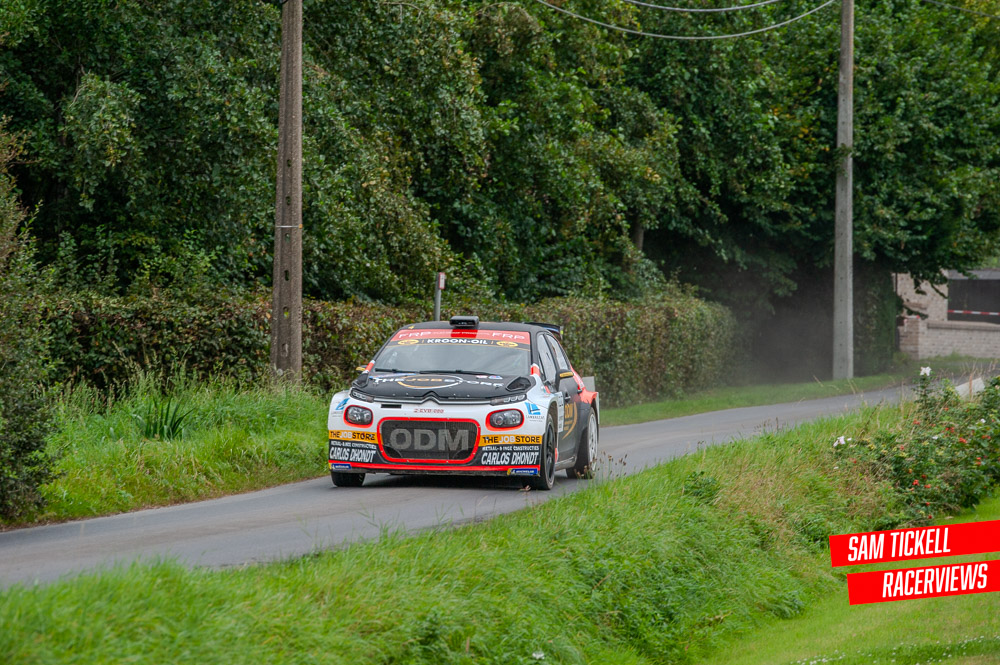
What to Expect This Weekend
With a full entry list in Divisions 1 and 2, anticipation centres around who will adapt best to the nuanced demands of these Flanders stages. The Omloop rewards a measured approach—success lies not only in outright speed, but in managing tyre wear, reading weather signs, and maintaining concentration as physical and mental fatigue sets in.
Championship frontrunners must balance risk and reward: push too hard and the ditches will punish over-ambition; too cautiously and valuable seconds are lost. Local crews, often with deep experience on these roads, can mix with the national elite and spring surprises.
Expect split-second battles not just for overall honours but across RC2, Rally2, and the supporting classes. The technical route, changeable weather, and accumulated local knowledge promise an absorbing spectacle of tactical racing—a pure test of rally craft in an environment rich with history and immediacy.
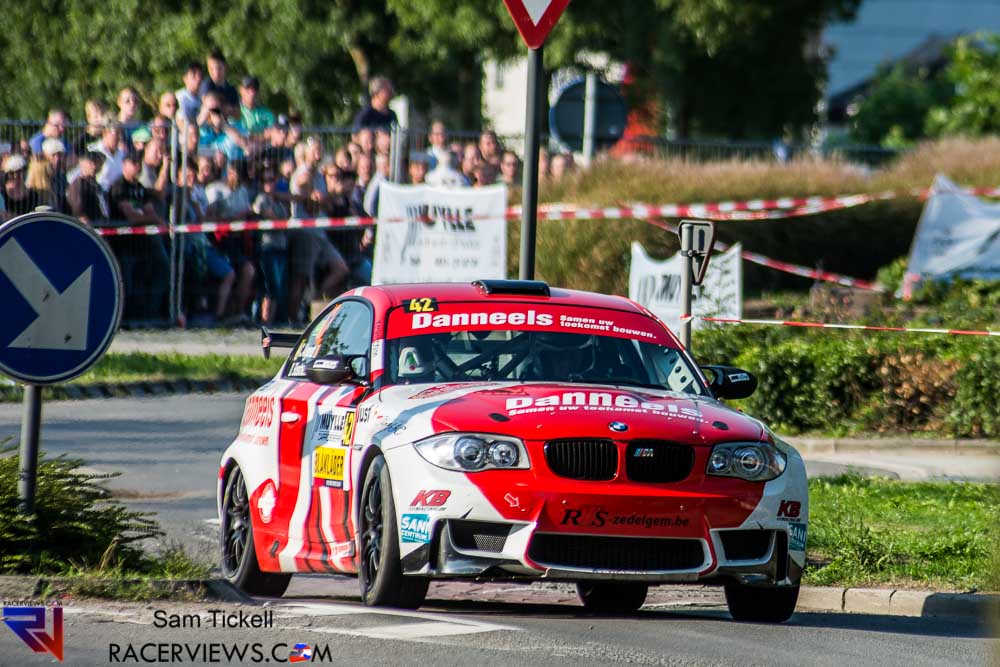
Final Thoughts
The Omloop van Vlaanderen exemplifies the tradition, variety, and uncompromising challenge of Belgian tarmac rallying. Its blend of flowing countryside, unforgiving obstacles, and an atmosphere charged with local pride ensures a contest worthy of its long heritage. This weekend, expect the rally to deliver as much in drama and stories as in speed—every kilometre a chapter, every stage a test