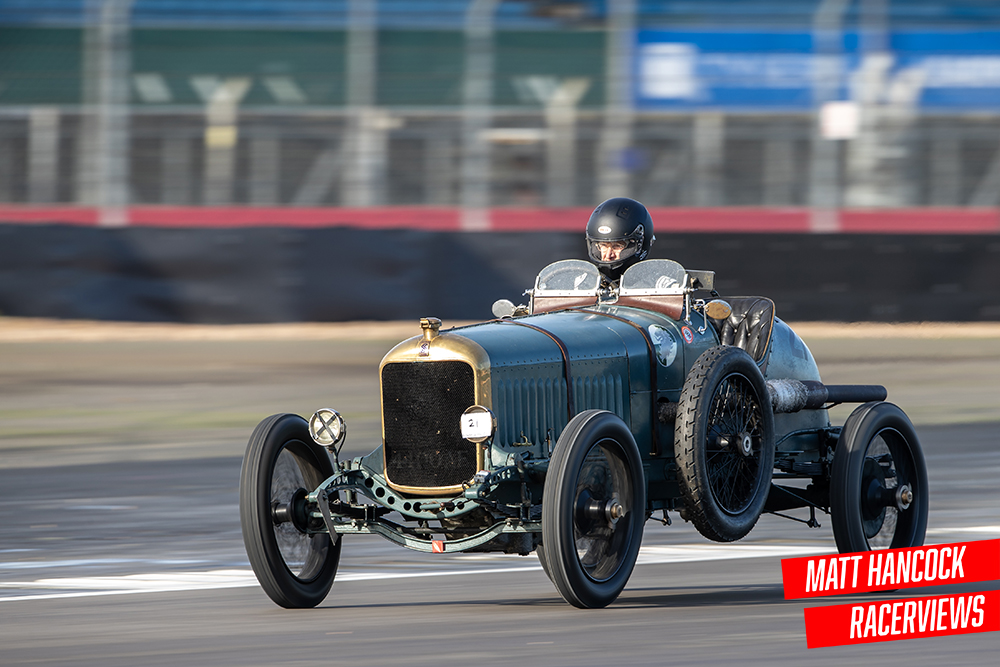
Now in its 70th running, the Pomeroy Trophy remains one of British motorsport’s most delightfully idiosyncratic challenges. The very first report of the event — in which the barrels proved harder to negotiate than the scoring formula — reads more like a comedy sketch than a competition bulletin. Yet behind the humour lay a serious ambition: to identify the best touring car.
Not the fastest. Not the most expensive. Not the most beautiful.
But the finest all-rounder.
The Pomeroy Trophy — affectionately known as “The Pom” — was conceived to reward the car that could truly do it all: corner with poise, accelerate with authority, brake with confidence, and still swallow a proper complement of luggage like a genuine road car. It is this philosophy that allows a pre-war machine to compete on equal terms with a modern performance hatchback. Seventy editions on, that principle remains unchanged.
The Modern-Day Challenge
Today’s competitors still face the core disciplines that have defined the event for decades:
A timed slalom
A brake test
The all-important suitcase test
A high-speed regularity trial
Gone are the Sunday road section and fuel economy tests, but the spirit of measured versatility endures.
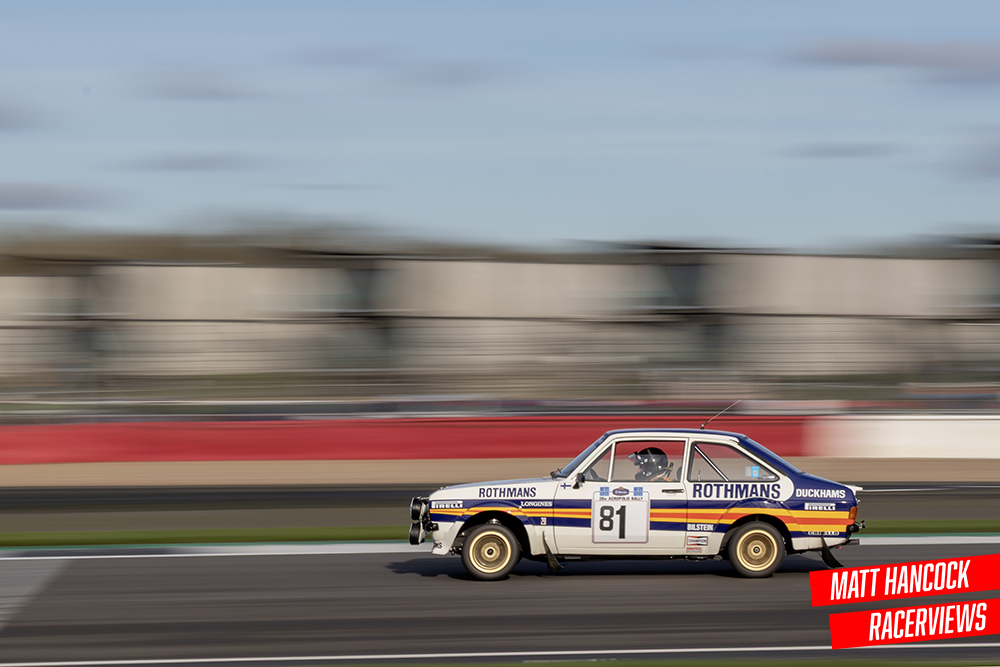
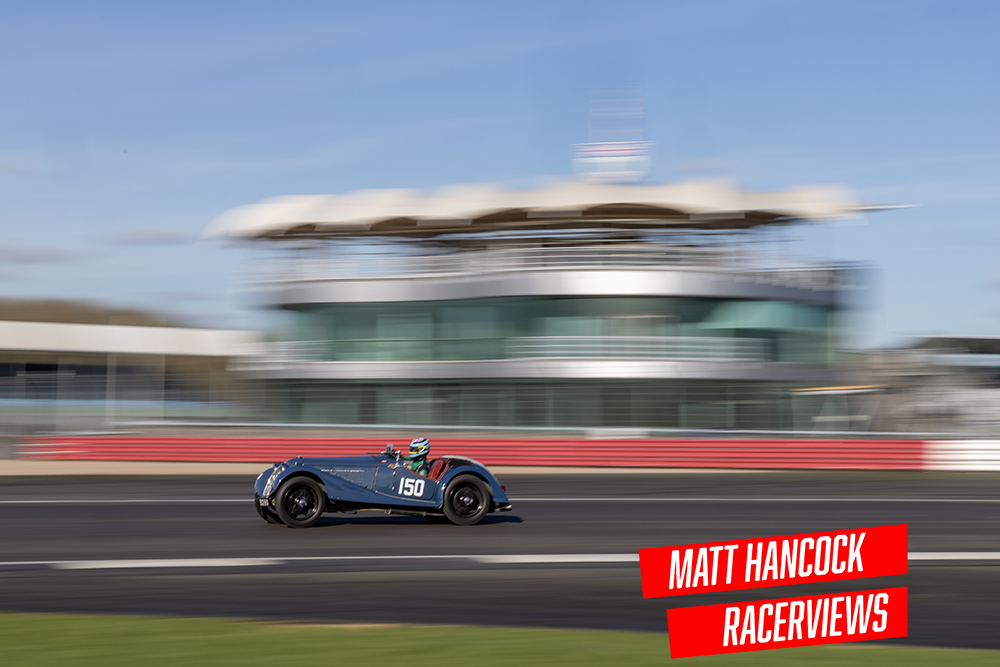
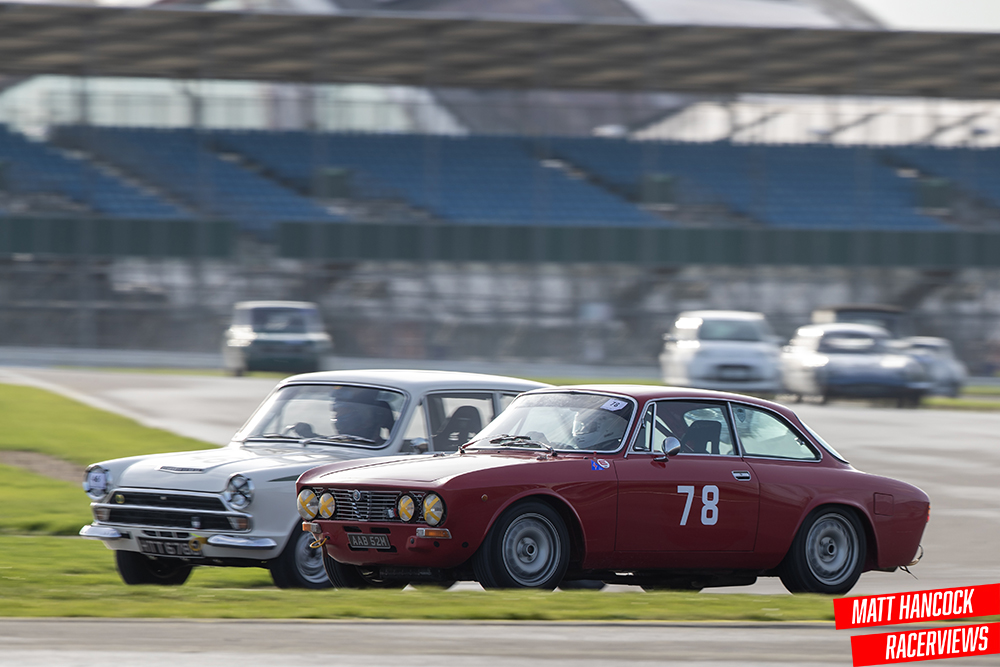
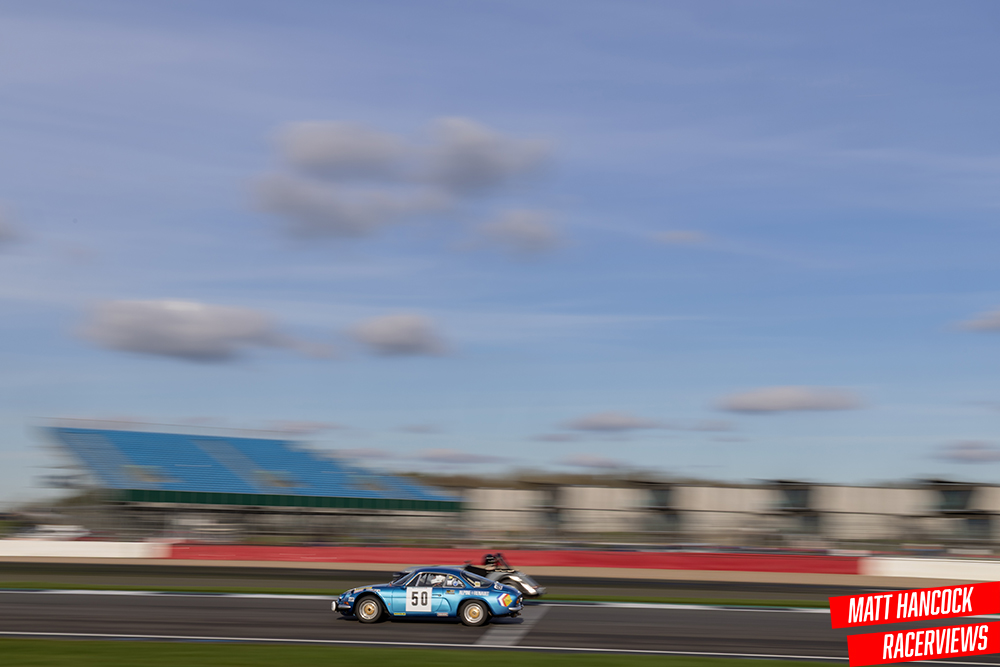
More than a hundred competitors recently assembled on the Silverstone Circuit Grand Prix Circuit, representing over a century of motoring history. From Edwardian leviathans to a modern Toyota GR Yaris, every decade was present. Alfas lined up alongside Volvos; pre-war tourers alongside contemporary sports cars. The paddock was a living timeline — part spectacle, part science experiment, and, as ever, touched with a hint of chaos.
Practicality Is Paramount
Eligibility requirements have always reinforced the event’s touring ethos. Each car must have at least two fixed seats and a proper hood — a stipulation in place since the earliest days. Since the early 1990s, cars have also been required to carry two suitcases built to FIA dimensions (60cm x 40cm x 20cm, as specified for endurance events such as Le Mans).
Failure to accommodate the cases — and they may not occupy the passenger seat — results in a significant penalty. Practicality, not pretence, is the watchword.
The Origins: More Than Just a Name
It is often written that the Pomeroy Trophy was devised by Lawrence Pomeroy Jr. The truth is rather more nuanced.
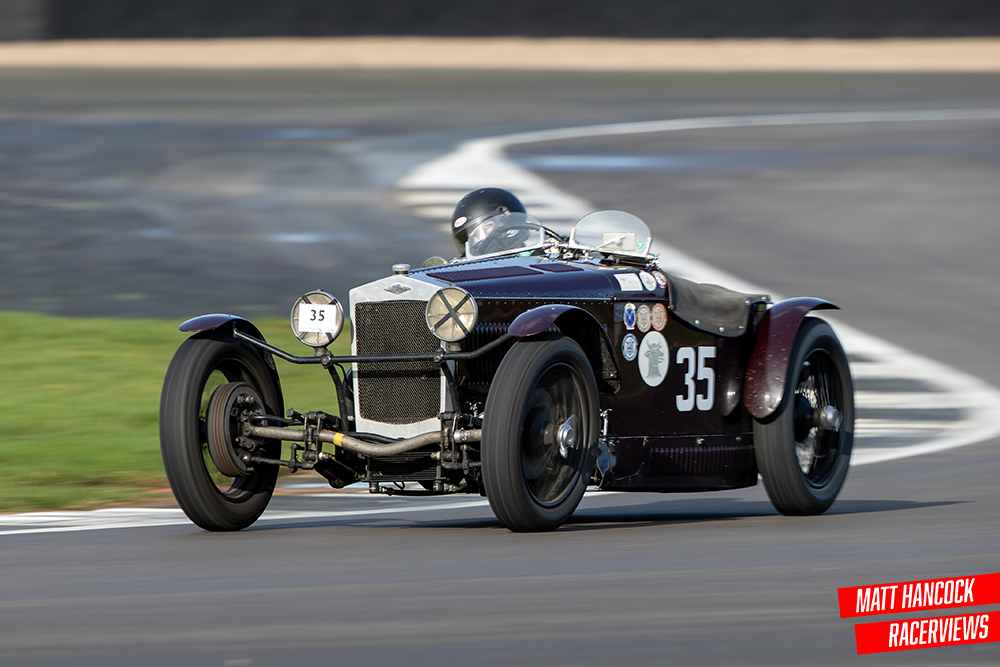
His father, Laurence H. Pomeroy, had been Chief Designer at Vauxhall Motors in the early 20th century. Among his achievements were the formidable 1914 four-and-a-half-litre Grand Prix Vauxhall and the celebrated Prince Henry Touring Car. After Pomeroy Sr.’s sudden death in 1941, his son, Laurence Pomeroy Jr., together with T.W. Badgery, presented the club in 1946 with a model of the 1914 Grand Prix Vauxhall as a memorial trophy.
The connection between Badgery and Pomeroy Jr. was the magnificent 1914 Prince Henry Vauxhall — owned by Badgery from new and later acquired by Pomeroy Jr. after the Second World War.
The competition itself, however, was the brainchild of Harry Bowler, later Club President in 1957. In 1949, inspired by efficiency formulae described in Pomeroy Jr.’s authoritative book, The Grand Prix Car 1906-1939, Bowler devised an event to determine the most efficient touring car over 2.5 litres.
The guiding principles were elegantly mathematical:
Acceleration proportional to brake horsepower per tonne.
Maximum speed proportional to the cube root of bhp per square foot of frontal area.
Circuit speed proportional to the sixth root of bhp per square foot of frontal area.
Steering and braking considered independent of age.
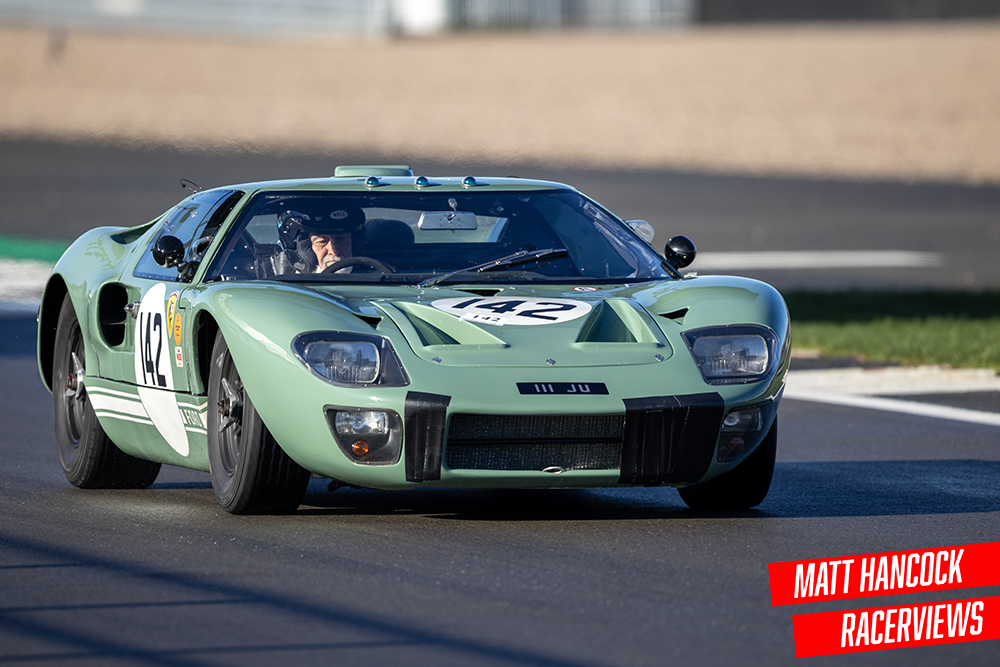
Originally, the event was to include petrol consumption, acceleration, steering and braking tests. Post-war fuel rationing delayed its realisation until 1952. By then, the formula had evolved, introducing an equalising factor — H — calculated from engine capacity and year of manufacture. Further refinements followed, including a flying quarter-mile multiplier and a regularity test requiring cars to circulate the circuit for one hour.
From the outset, the event was notable for having no date restriction: any car could enter. Capacity limits did apply — 1949cc for most cars, with smaller allowances for Edwardian, Vintage and PVT machinery — but the philosophy was inclusive.
The inaugural running at Silverstone was won by Peter Binns in his 30/98 Vauxhall, the event then incorporating a fuel consumption section during a regularity run in the Cotswolds. Silverstone has remained its spiritual home ever since.
In 1956, the formula was further refined with an additional measurement — the distance from brake pedal pad to rear axle centreline — subtly favouring longer cars. Over time, further adjustments and clarifications were introduced, eventually settling into the five-test structure familiar today.
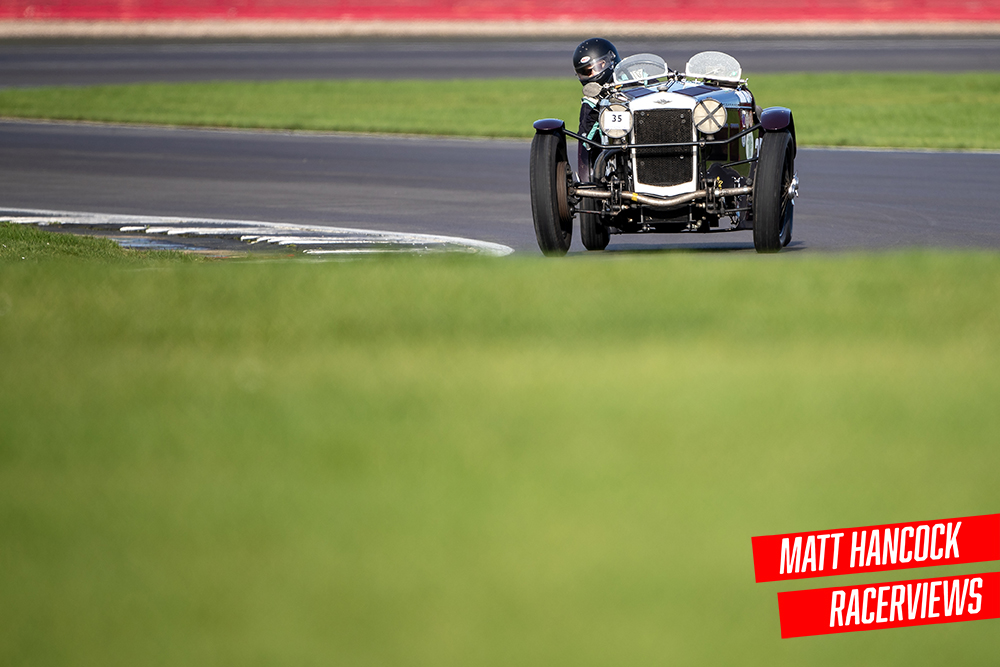
Enduring Appeal
What makes the Pomeroy Trophy remarkable is not merely its longevity, but its integrity. It remains gloriously resistant to fashion. Horsepower alone will not win it. Nor will pedigree or price.
Instead, the event continues to reward balance, ingenuity, and the quiet brilliance of a truly capable touring car — exactly as its founders intended seven decades ago
The RacerViews info
By Matt Hancock
We are passionate, dedicated motorsport professionals.
In 2026 you will see us trackside and stageside with exclusive coverage of
- The World Endurance Championship
- The World Rally Championship
- Belgian Rally Championship
- British GT
- British Rallycross
- and more!
We aim to bring you interviews and photos you won’t see anywhere else. We don’t aim to break the news, rather we aim to bring the voices of the racers to you and the atmosphere of the event to you at home. Our social media presence on Facebook, Twitter and YouTube bring you more, a holistic experience. We partner with racers and professionals in the industry and give back where we can. If we can help you or you have a story to share, please contact us.