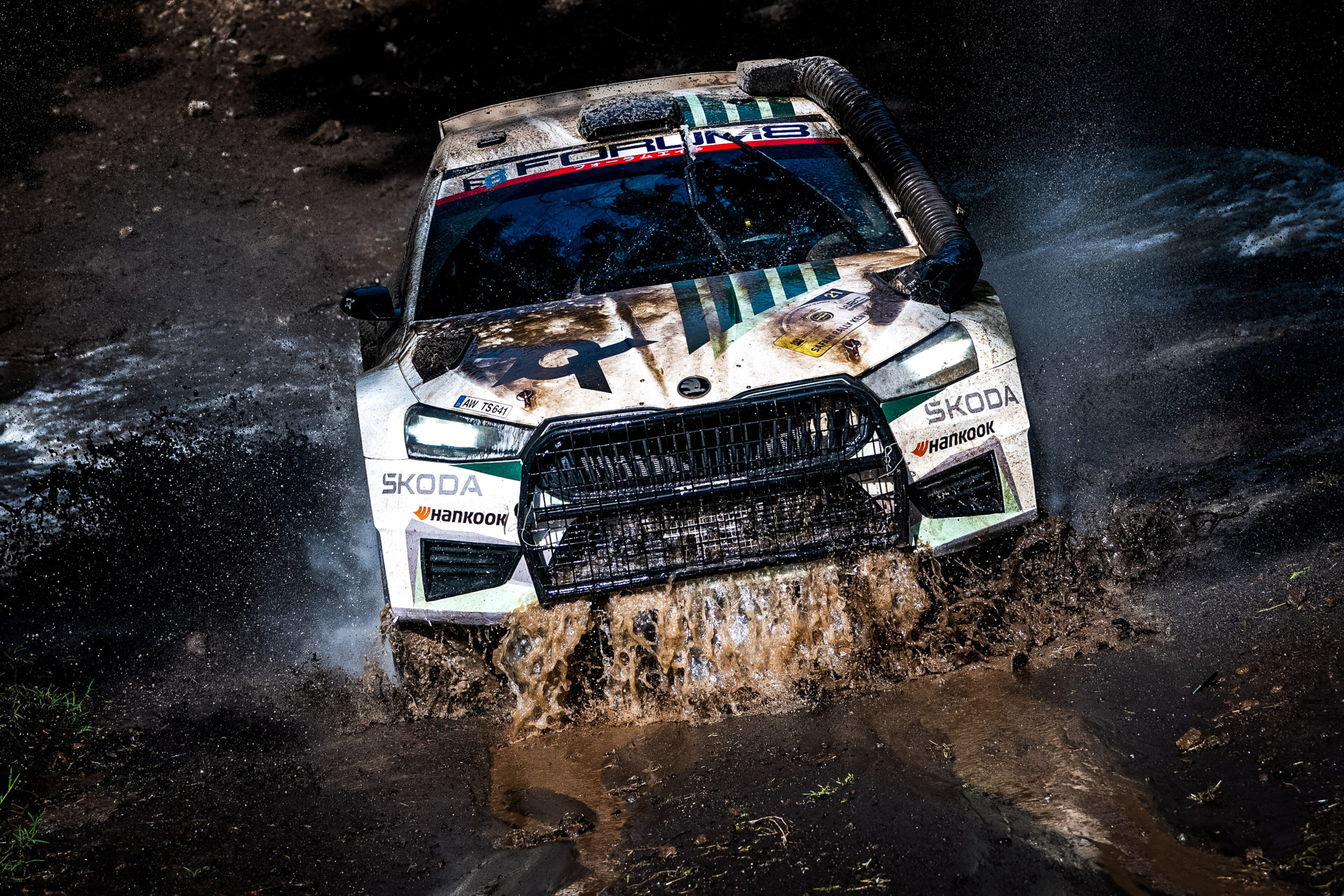
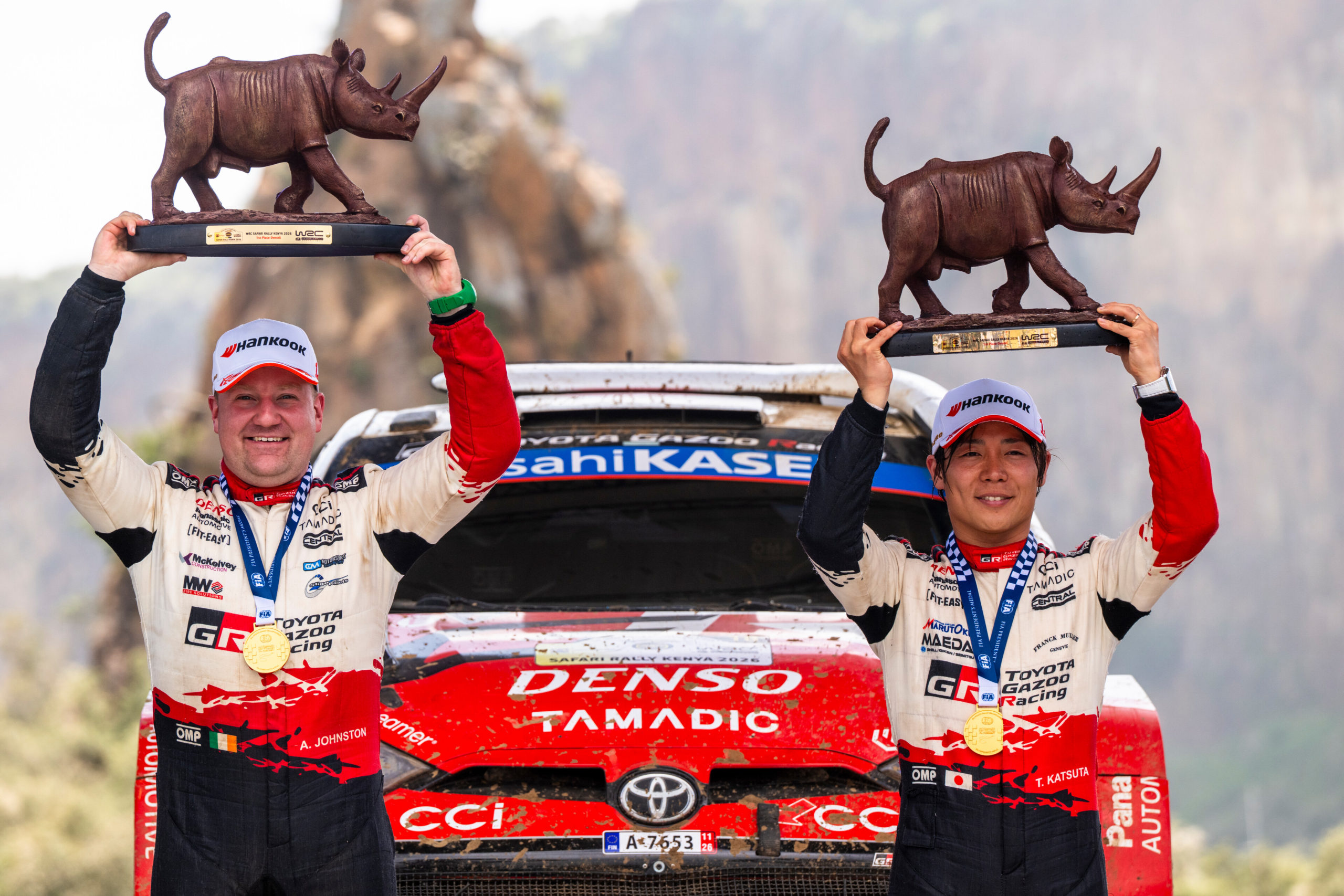
Takamoto Katsuta’s first World Rally Championship victory did not come on a neat strip of European asphalt but out on the ochre plains and volcanic rock of Naivasha, in a rally that still treats cars like a hypothesis rather than a finished product. Safari Rally Kenya 2026 became the weekend where a driver known for flashes of speed and painful errors finally married caution and conviction in the one place where it still matters most: the roughest WRC round of them all.
A rally that strips everything back
For two days it looked as if the story might be simpler. Toyota locked out the early positions, with Oliver Solberg setting the tone on Friday as he edged Sébastien Ogier by a single second heading into the weekend. Sleeping Warrior and the surrounding stages were doing their usual work of carving ruts, catching sump guards and unsettling even the most established crews, but the hierarchy still felt familiar: Toyota out front, Hyundai hanging on, M‑Sport and the rest picking their way through the rocks.
Then Saturday morning arrived and the rally reverted to type. On the first pass through Sleeping Warrior, championship leader Elfyn Evans was the first to be caught out, retiring mid‑stage with terminal rear‑right suspension damage while running second overall. In the space between the flying finish and service, the rally turned again: Solberg, still leading, retired on the road section with a clutch failure, and Ogier stopped with an electrical problem on the same liaison. Within one loop, Toyota’s commanding 1‑2‑3 had been dismantled by a sequence of events no strategy could fully anticipate.
What remained at the top was Katsuta, suddenly leading the Safari with a margin that was both comforting and absurd in WRC terms. Starting Sunday’s final leg with 1 minute 25.5 seconds in hand, he resisted the temptation to go hunting for stage wins. Instead he adopted an almost Rouard‑like approach: run at 90 per cent, avoid the sharpest stones, and let the others spend their energy on the Power Stage. By the time he guided the Toyota GR Yaris Rally1 through Hell’s Gate for the final time, the gap had reduced slightly, but the win – 27.4 seconds over Adrien Fourmaux – was never really under threat.
“I don’t know what to say,” he admitted at the finish, visibly emotional. “We have had so many difficulties and moments. Aaron has worked very hard to work with me. The team always believed in me when I was failing all the time. I’m here because of them and Aaron.” The image of Kenyan president William Ruto handing him the winner’s trophy on the ramp felt oddly in step with the rest of the weekend: a local head of state honouring a quiet breakthrough by a driver who has spent much of his career in the shadow of his own potential.
Fourmaux, Pajari and the art of surviving
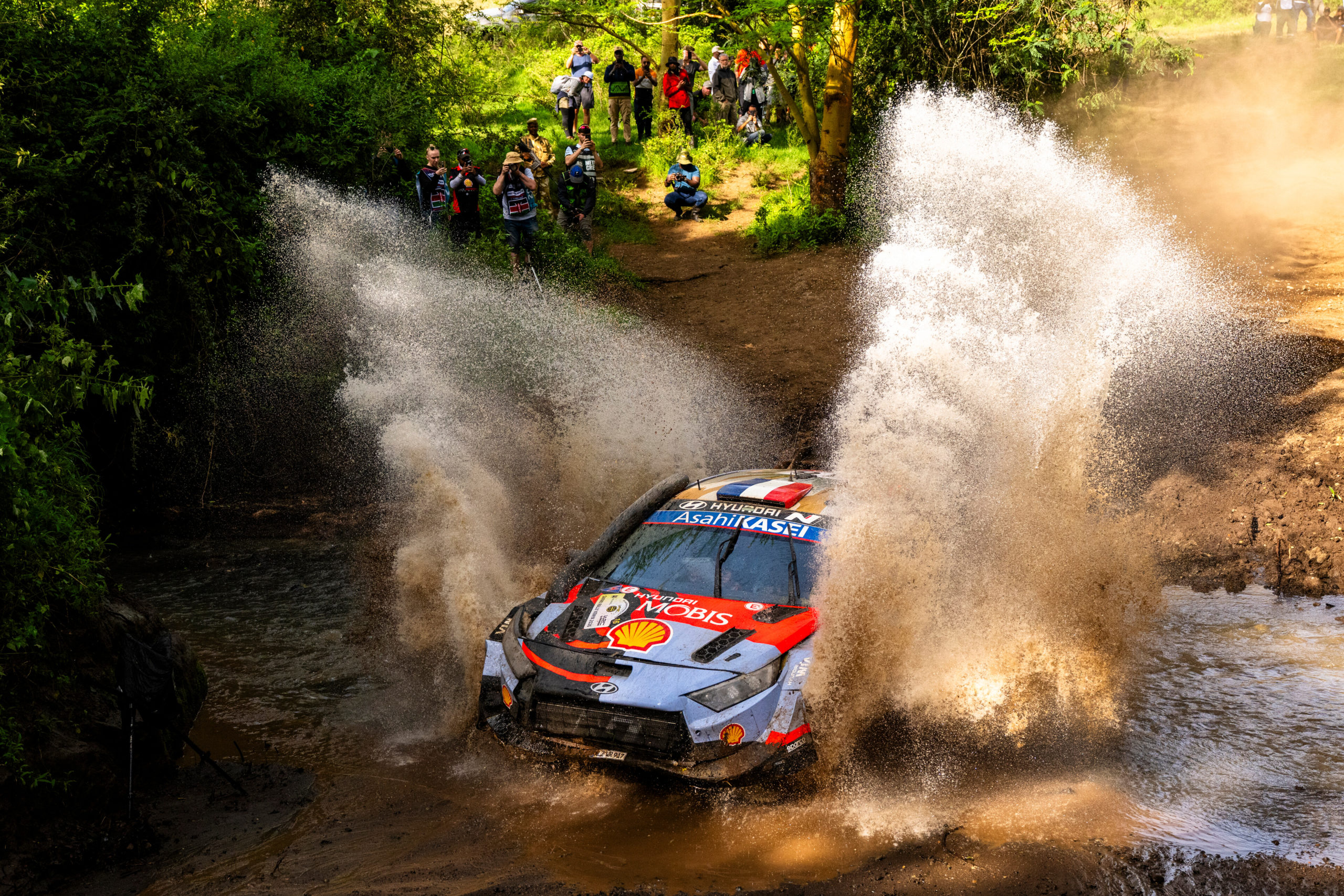
Behind Katsuta, the podium told its own story of recalibration. Adrien Fourmaux delivered a controlled drive to second, giving Hyundai its first podium of the season against a backdrop of overheating issues that left the i20 N Rally1 constantly on the edge of its comfort window. It was not the sort of result that will make many highlight reels, but it was exactly the kind of Safari performance that tends to age well: tidy, mechanically sympathetic, and measured in the moments when the temptation to attack is at its strongest.
The final podium place went to Sami Pajari, who followed up his Rally Sweden result with a second consecutive third place. His weekend was far from clean; a high‑speed tyre failure on Saturday ripped bodywork from his Toyota and cost around five minutes. From there, his job shifted from fighting for the lead to protecting the car and consolidating points, and he did so with a maturity that suggests this is less a spike of form and more the foundation of a long‑term presence at the front.
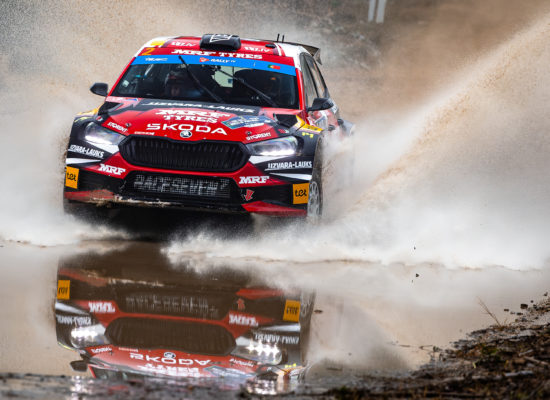
Just off the podium, Esapekka Lappi wrestled his Hyundai to fourth, speaking openly about heavy understeer and multiple punctures that left him permanently a step behind the rhythm of the leaders. In fifth, Robert Virves produced one of the performances of the rally: a WRC2 win in his Škoda Fabia RS Rally2 and a place inside the overall top five that owed as much to his mechanical sympathy as it did to outright speed. On a weekend where Rally1 cars repeatedly tore themselves apart, the image of a Rally2 Škoda finishing comfortably inside the top five felt like a footnote from the future.
Sunday as a separate event
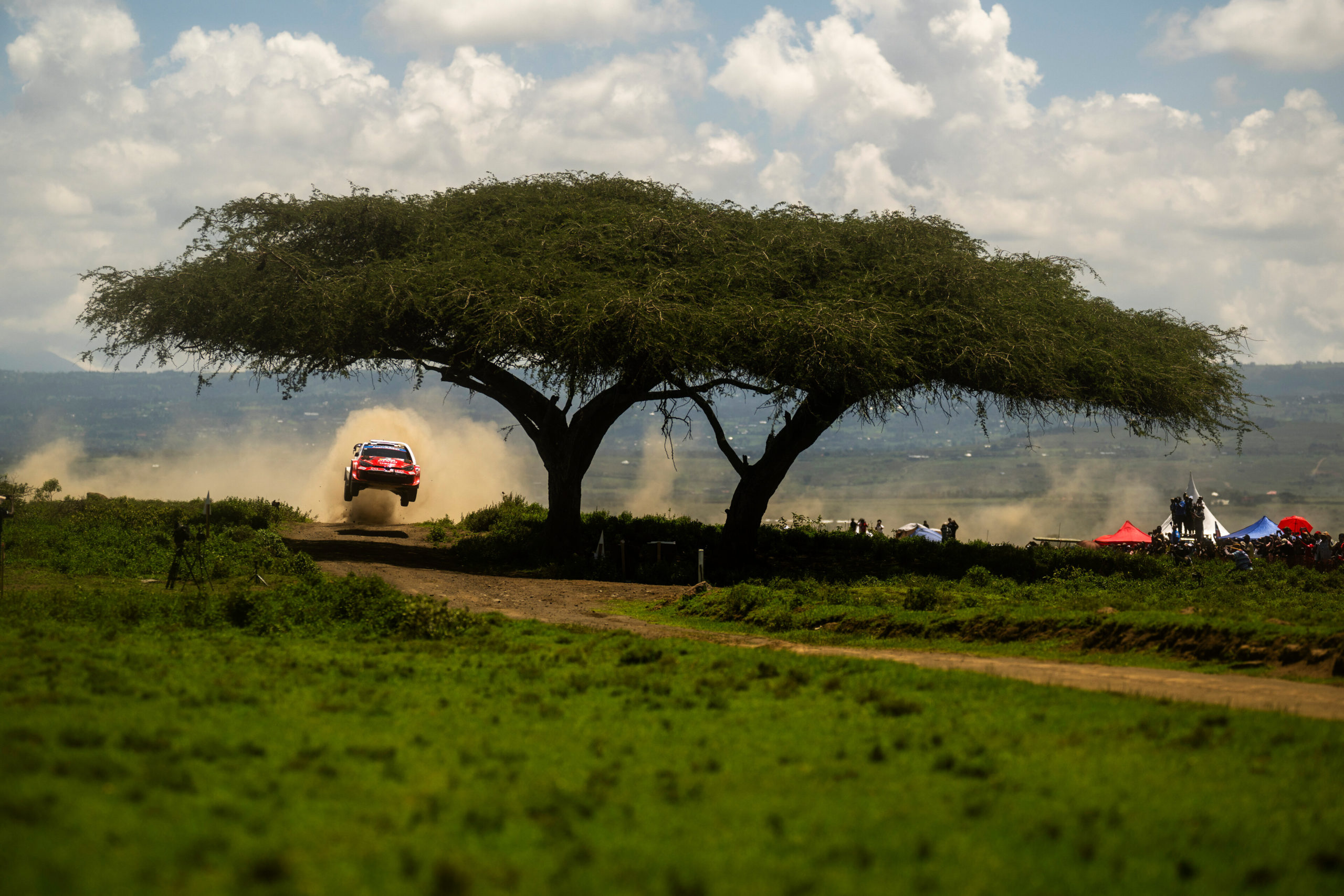
One of the oddities of the modern WRC is that Sunday can now function almost as a rally within a rally. In Kenya, that split was particularly stark. While Katsuta was managing gaps, Solberg, Ogier and Evans – all back under restart rules – spent the final day chasing Super Sunday and Wolf Power Stage points as if on a separate event layered over the original.
Solberg, still carrying the frustration of losing the lead on a road section, responded with a sequence of aggressive stage wins and claimed the Wolf Power Stage by 2.8 seconds over Ogier, securing the maximum five points available there. Evans, despite his Saturday retirement, scored heavily enough on Sunday to retain the championship lead on 66 points, a neat statistical reminder that in this era the story of a rally does not end with the general classification alone.
In that sense, Safari Rally Kenya 2026 was where you pick your battles, you preserve your resources, and you accept that some parts of the weekend are about damage limitation rather than spectacle. The difference in Naivasha is that the landscape itself still insists on having a say. You can manage your tyres, adapt your set‑up and plan your Sunday, but when the rocks and ruts decide it is your turn, no amount of modernity quite shields you.
For Katsuta, that is precisely what made this first win so resonant. It did not arrive in a controlled environment but on the one rally that still strips the sport back to its essentials.