The FIA World Rally Championship will return to the United Kingdom in 2027 with the introduction of WRC Rally Scotland, bringing the series back to a country that helped shape what top‑level rallying looks and feels like. It is not just another new round; it is the continuation of a story that runs from RAC Rally nights in Kielder to Wales Rally GB in Deeside and, more recently, the damp, dramatic forests of the IRC’s Rally Scotland.
From RAC to Wales to Scotland
Britain’s world‑level rally lineage begins long before the WRC logo appeared on door plates. The Royal Automobile Club Rally evolved into the RAC Rally in the 1950s and, by the time the World Rally Championship was formed in 1973, Rally GB was a cornerstone of the new series. The event’s identity was forged on marathon itineraries and legendary stages: Kielder’s long, flowing gravel, Yorkshire forests, Scottish road sections and, later, the dense, rain‑soaked complexes of Welsh woodland.
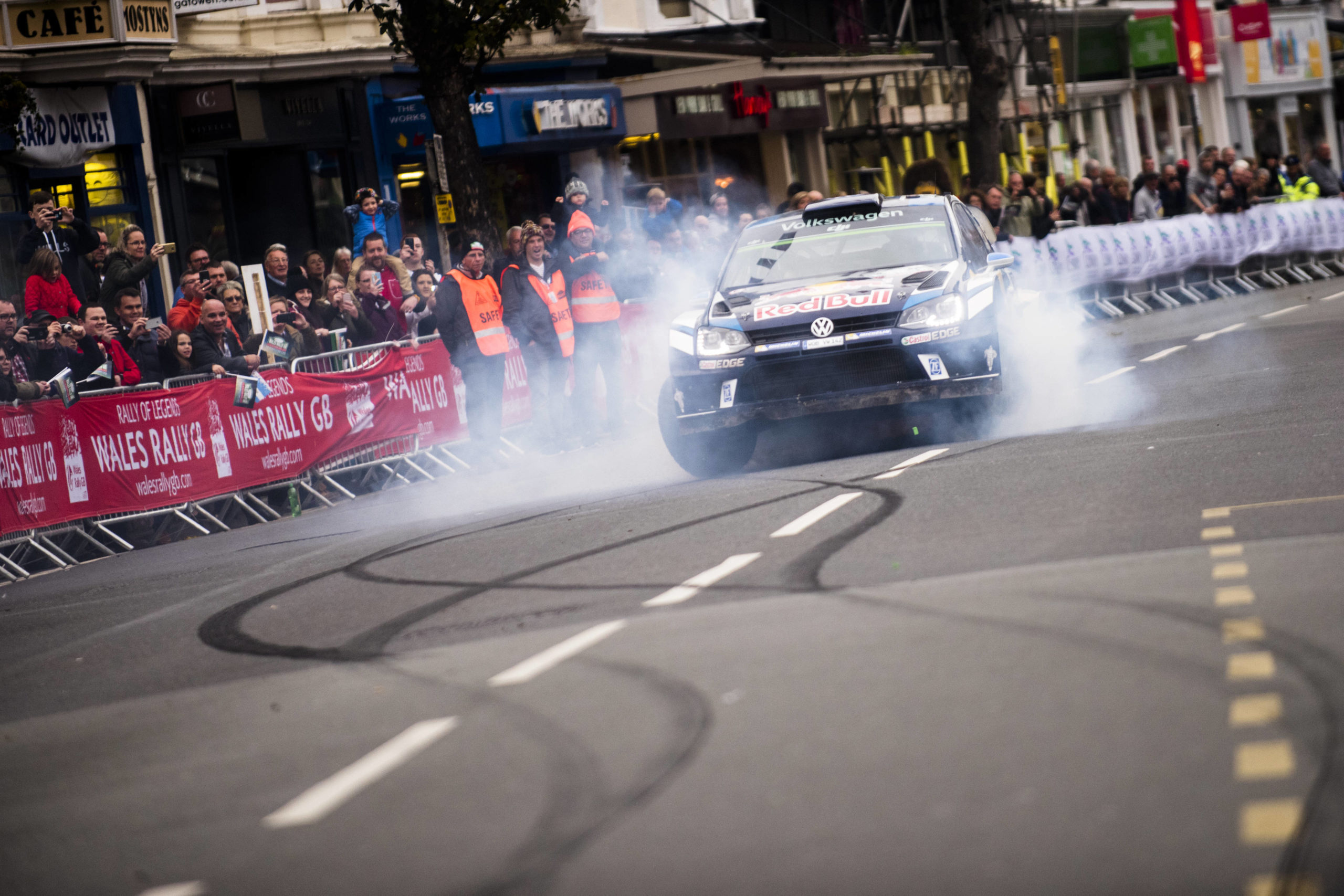
In 2000 the rally moved its operational base to Cardiff and, with Welsh Government support, became Wales Rally GB, concentrating competitive mileage in the forests of mid and north Wales. From there, it evolved again: starting in Llandudno in 2011, shifting to a Deeside service park from 2013, and building a modern identity around Sweet Lamb, Myherin and Dyfi while still retaining the “mud, mist and gravel” character that set Britain apart on the calendar. By 2019, when Wales Rally GB celebrated its 75th running, the UK round was both a heritage event and a key strategic stop in the title fight; its disappearance after that edition left a notable gap for teams, drivers and fans alike.
Scotland has its own chapter in this story. Between 2009 and 2011, the Rally of Scotland formed the gravel showpiece of the Intercontinental Rally Challenge, using stages like Craigvinean, Achray, Fairy Knowe and Loch Ard to showcase fast, technical forest roads under November rain and low cloud. Those IRC years – with Kris Meeke’s title charge, Guy Wilks’ win and Juho Hänninen’s championship‑clinching drive – reminded many in the sport that Scottish forests could carry an international rally just as convincingly as Wales. WRC Rally Scotland now picks up that thread and ties it back into the world championship.
Rally Scotland: the 2027 plan
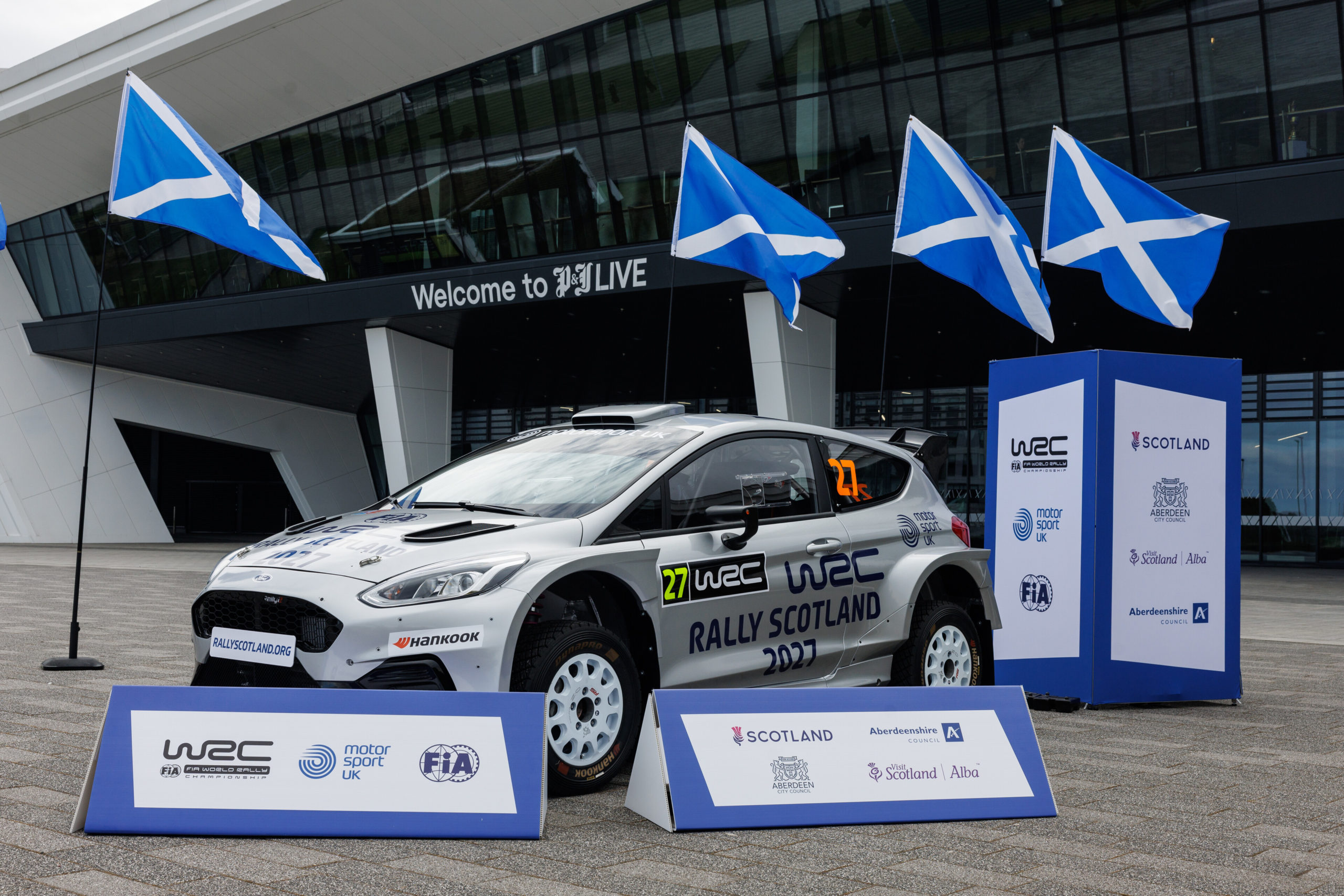
Developed in partnership with Motorsport UK, the new gravel-based WRC event will be based in north‑east Scotland, with rally headquarters and service at the P&J Live complex in Aberdeen. Stages will run across Aberdeenshire and Moray, tapping into a network of forest roads and open landscapes that can offer the kind of speed, commitment and surface change the UK round has always been known for. The agreement is an initial three‑year deal from 2027, ending an eight‑year absence of a British round from the WRC calendar since Wales Rally GB in 2019.
Scotland’s dramatic scenery and gravel profile fit neatly into that heritage. Where the old RAC mixed stately home spectators’ stages with brutal forest mileage, and Wales Rally GB specialised in compact but punishing loops, Rally Scotland promises fast, technical tests framed by coastline, farmland and evergreen forest – a slightly different visual language, but one that still speaks fluent “Rally GB”. At the same time, Aberdeen’s modern infrastructure and transport links give teams, media and fans a contemporary base that aligns with the sport’s move towards hub‑style service parks.
The rally has been secured through a partnership between Motorsport UK, WRC Promoter and the Scottish Government, with support from Aberdeen City and Aberdeenshire councils. As with Wales’ long‑term backing of Rally GB, the stakeholders see the event as a means to deliver economic and tourism benefits while projecting an image of rugged landscapes, technical industry and outdoor sport.
The next formal step is a Candidate Event later this year. The FIA will work with Motorsport UK and local organisers to evaluate stages, safety plans and logistics in live conditions, before the event is submitted for approval on the WRC calendar by the FIA World Motor Sport Council. In practice, that process is about ensuring that a rally carrying the Rally GB mantle – now in Scottish form – meets the sporting, safety and sustainability standards expected of a championship whose cars and regulations will also evolve in 2027.
Why it matters for the WRC
For the championship, a UK return is about more than filling a geographic hole on the map. From 1973 onwards, the British round has been a benchmark for car strength, team logistics and driver adaptability; it helped define the idea that a world champion must be able to master wet gravel in the dark as readily as dry Tarmac in the Alps. The RAC, Wales Rally GB and the IRC’s Rally Scotland all contributed to a sense that Britain’s forests are a proving ground – places where legends are made and weaknesses are exposed.
That history also lives in the people around the stages. The UK’s volunteer marshals, long‑running motor clubs and generational fan base have been central to keeping the event viable through economic cycles and format changes, from stately home spectator stages to compact forest loops. Bringing the WRC back gives that community a focal point again, and offers a clearer pathway for young British drivers who have grown up hearing about RAC nights in Kielder or watching Ogier and Tänak in Dyfnant but have never seen a Rally1 car at home.
Simon Larkin, Senior Events Director at WRC Promoter, framed the announcement as the culmination of a long search for the right model rather than a quick fix. “Since the FIA World Rally Championship last visited the UK in 2019, Motorsport UK and WRC Promoter have worked closely together to find the right pathway for its return. We have nothing but praise for the determination and hard work shown by Motorsport UK in bringing this project to life. We’re delighted to be working alongside the Scottish Government and local authority partners to see this exciting initiative come to fruition – something that will benefit many, and especially the passionate rally fans across the UK.”
FIA Deputy President for Sport Malcolm Wilson linked Scotland’s future role to the broader direction of the series. “This is a huge announcement for the FIA World Rally Championship, it really demonstrates the positive direction we are now taking. The United Kingdom has incredible heritage and passion for our sport, and the return of a flagship world championship event in Scotland is the start of the next chapter in this long history. As we enter a new era for the WRC in 2027 with new regulations, more accessible cars and more crews competing at the sharp end, it’s fantastic to see the appetite is there from organisers, governments and of course the fans to put together new WRC events. Alongside Motorsport UK, the WRC Promoter and the local organisers we are very much looking forward to making these plans a reality.”
For David Richards CBE, Chairman of Motorsport UK – and a man whose own career runs from co‑driving to leading Prodrive and now governing the sport – the return is both symbolic and practical. “Rallying has always had a special place in the story of British motorsport and, for me personally, it has been a huge part of my life. I’ve had the privilege of experiencing the World Rally Championship from inside a rally car, and I know just how unique the atmosphere of a UK rally can be — the forests, the fans and the extraordinary community of volunteers and motor clubs who make these events possible,” he said. “That’s why seeing the championship return to the UK is so meaningful. WRC Rally Scotland will bring the world’s best drivers back to British stages, but it will also be more than a rally. It’s an opportunity to showcase the passion of our rally community and demonstrate how motorsport can contribute to innovation, sustainability and inspiring the next generation to get involved in our sport.”
Seen through that lens, Rally Scotland is not a break with Rally GB’s past but its latest iteration: from RAC to Wales, via the IRC’s Scottish experiment, and now back into the WRC at a moment when the championship itself is about to change its cars and format. For a series that often leans on its heritage in Monte Carlo, Finland or Kenya, having the UK back on the calendar – in a new location but with familiar DNA – restores an essential part of what “world” in World Rally Championship has always meant.