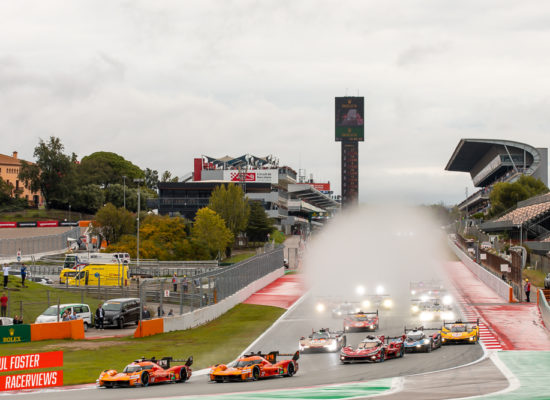
The 2026 FIA World Endurance Championship is poised for an incredible year despite Porsche’s absence in Hypercar. Their absence matters because it removes one of the class’s most recognisable and technically disciplined forces, and that changes the tone of the championship before a wheel has turned. However, LMEM and the ACO have built a deep, competitive grid, and one absence will just change the shape of the fight. Ferrari arrives as the benchmark, Toyota as the old master that refuses to disappear, Cadillac and BMW as credible threats, Alpine and Peugeot as the teams that must turn potential into proof, and Genesis as the newcomer that may unsettle assumptions simply by being there.
That is why 2026 feels interesting. You have new cars, pressure from existing contenders to get back to the front, and Ferrari looking to reaffirm their 2025 form. The calendar opens at Imola and ends at Bahrain, with Le Mans still sitting where it always should, as the season’s centre of gravity rather than a decorative climax. This is the sort of championship that punishes vanity. It rewards teams that know who they are, and exposes those that merely sound convincing in winter.
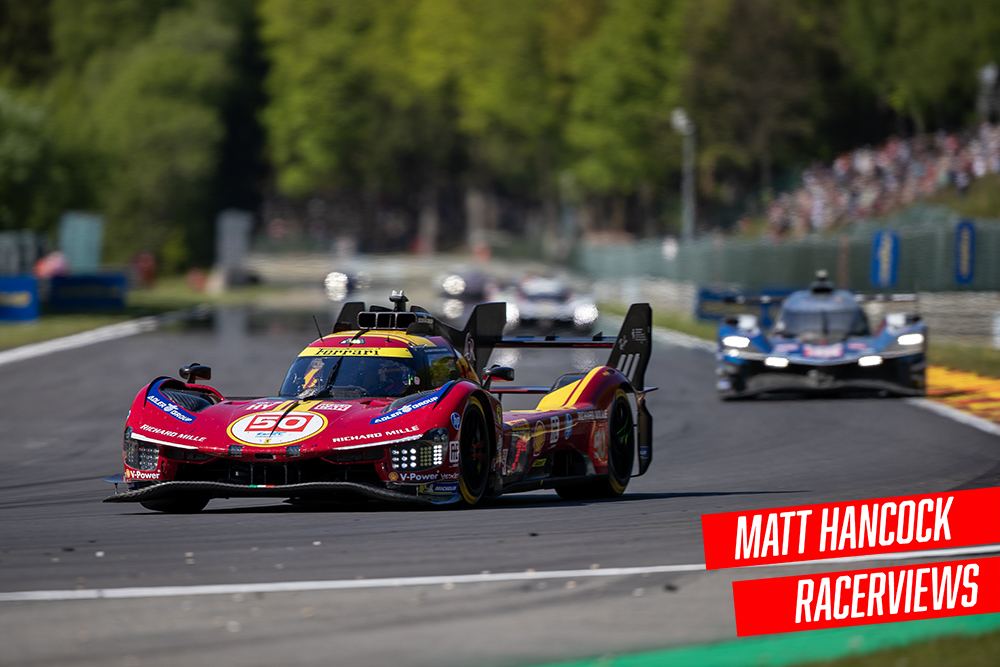
Hypercar, without Porsche
Porsche’s omission is more than a headline. It removes a team that typically sharpened the front of the field, particularly in terms of racecraft, strategic intelligence and the ability to remain dangerous even when circumstances were not ideal. Without it, the Hypercar class becomes slightly less crowded at the very top, but not necessarily easier to read. If anything, the hierarchy becomes more open in a less comfortable way.
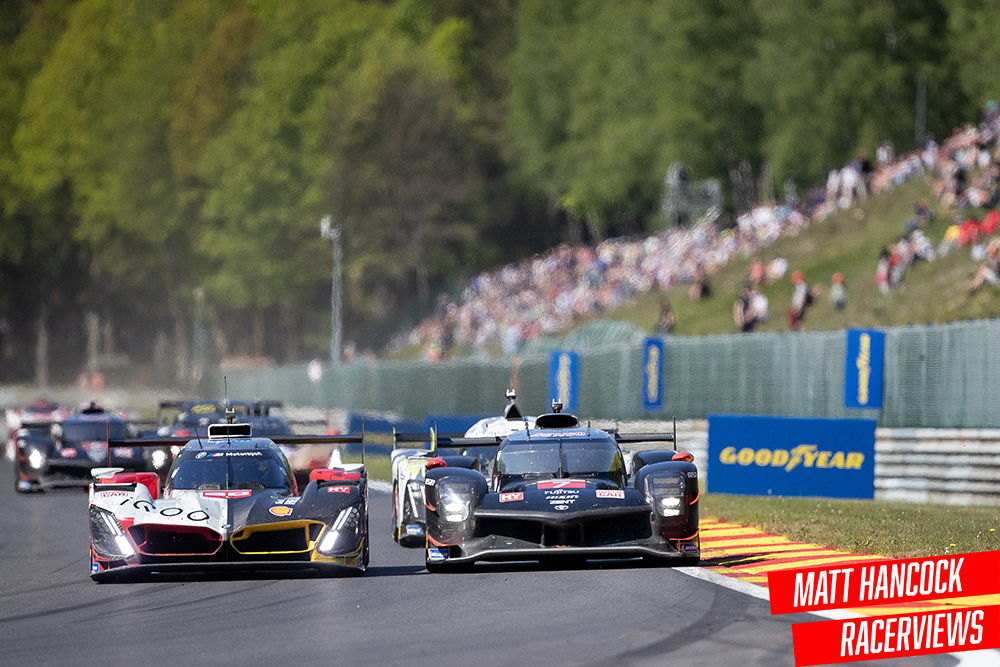
Ferrari is the obvious starting point because success changes expectations. The 499P no longer arrives as an intriguing disruptor; it arrives as a machine others have spent a season learning how to contain. That is often the harder position. Once a car becomes the reference, its rivals stop wondering whether it can win and start asking how to make it fail. Ferrari’s real challenge is therefore not speed alone, but repeatability. WEC titles are not won by looking superb on good days. They are won by looking solid on awkward ones.
Toyota, meanwhile, remains the model of endurance seriousness. It may no longer have the aura of automatic dominance, but it still has the habits of a team that understands what this championship demands. That matters more than ever in a class where the competitive field is tight enough to turn every pit cycle into an argument. Toyota’s strength has always been less about drama than about accumulation. In a championship like this, accumulation is often enough.
Cadillac and BMW occupy the space that serious programmes should occupy: threatening, inconvenient, and capable of turning one strong weekend into a broader campaign if they can build momentum quickly. Cadillac in particular remains one of the more interesting shapes in the class because it brings a distinct identity to the paddock. BMW, by contrast, feels like the manufacturer most likely to turn consistency into respect. Neither can afford a season of near misses. In a field this dense, a strong car that does not convert is merely expensive scenery.
Alpine and Peugeot sit in the more dangerous territory of promise. They are not short of technical significance, but WEC can be a brutal place for projects that are still trying to define themselves in public. The difference between being competitive and being talked about is small; the difference between being talked about and actually scoring is where championships are separated from narratives. Both teams need cleaner weekends, fewer compromises, and a sharper sense of how to survive when the race is not cooperating.
Then there is Genesis, the newcomer that gives the class a useful jolt. A fresh manufacturer does not automatically bring performance, but it does bring uncertainty, and uncertainty is often enough to force the established order to pay attention. If Genesis is quick early, the season becomes harder to predict. If it is merely competent, it still changes the atmosphere by reminding everyone that the grid is no longer closed around a familiar set of names.
LMGT3’s real fight
Heart of Racing and BMW M Team WRT sit at the head of the LMGT3 pack, occupying the space that serious GT contenders should: versatile, tactically sharp, and capable of turning a single strong weekend into a championship-defining run if they chain the results together. Heart of Racing brings a distinctly American swagger to the class, with its double Aston Martin Vantage AMR GT3 Evo effort blending cash firepower and understated menace — Jonny Adam’s British GT nous paired with Eduardo Barrichello’s rising edge on #23, while Ian James’ endurance grit and Alex Riberas’ GT World Challenge wins give #27 the look of a Le Mans spoiler. They’re not here to fill a grid slot; they’re here to disrupt, particularly at Imola and Spa where track position turns into points if you don’t blink.
WRT’s BMW M4 GT3 duo, by contrast, feels like the operation most likely to grind out respect through sheer operational discipline. Augusto Farfus anchors #32 with Darren Leung’s Imola redemption arc, a lineup that punishes mistakes in traffic and rewards the cleanest out-laps; #46’s Philipp Ellis and fresh faces like Max McIntosh add the unpredictability of youth without sacrificing pedigree. WRT doesn’t chase headlines — it builds them quietly, weekend by weekend, turning Fuji’s technical demands or Bahrain’s heat into quiet hauls. Neither can afford the luxury of near-misses. In a class this compressed, where BoP keeps 18 cars within seconds, a fast outfit that doesn’t convert becomes just expensive track furniture.
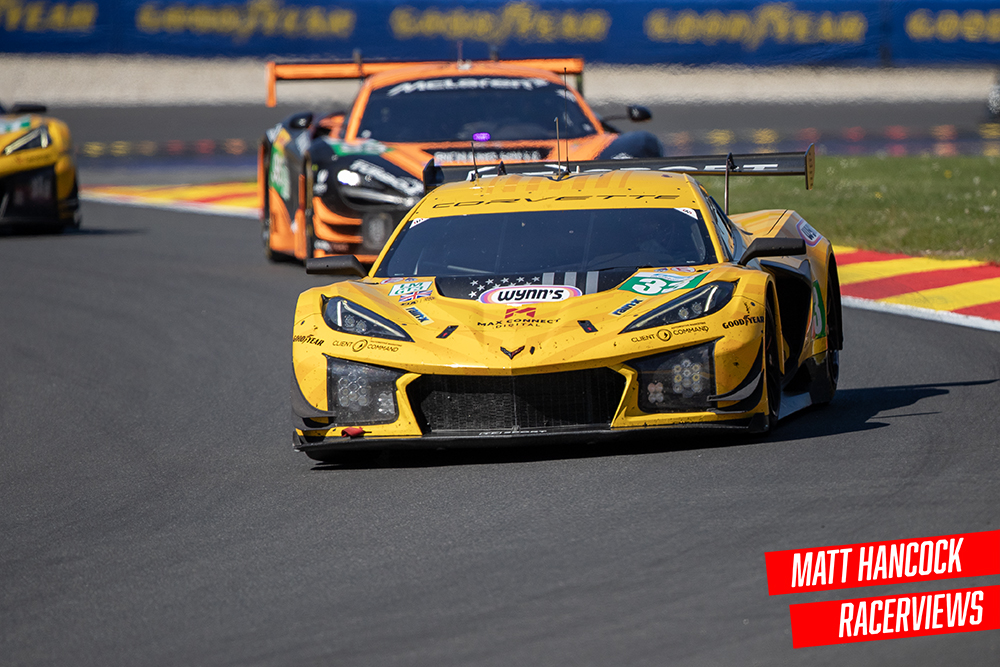
TF Sport’s Corvette Z06 GT3.R effort lurks as the heat specialist, threatening and unflashy in the best way — José María López’s precision (two 2025 wins already banked) on #33 gives it an edge in São Paulo’s cauldron or Austin’s aggression, while Charlie Eastwood’s hunger on #34 keeps the pressure internal. It’s the package that thrives when others fade, turning survival into podiums without fanfare.
Akkodis ASP’s Lexus RC F GT3 pair occupies the consistent hunter’s role: Roberto Faria’s pro drive on #78 with Finn Gehrsitz and Leo Pichler’s silver-heavy lineup feels built for the long game, while Sarah Bovy’s star turn on #79 adds the flair that turns Qatar nights into statements. They’re not the flashiest, but they’re the ones who keep showing up in the points when the favourites stumble.
Manthey Pure Rxcing’s lone Porsche 911 GT3 R — Richard Lietz and Fred Makowiecki with Yasser Shahin — rounds out the elite, a faded giant still dangerous in bursts. It’s the pedigree that promises Spa dominance or Fuji masterclasses, but a single car post-Proton split leaves it exposed; one DNF, and the chasers pounce. In LMGT3’s knife-edge world, where pro-am rules amplify every driver call and pit stop, these five define the fight. The rest — Iron Lynx Mercedes, Garage 59 McLaren, Proton Ford — circle as spoilers, ready to capitalise if the leaders crack. This class doesn’t crown dynasties; it rewards the outfit that stays composed longest.
Final view
The best WEC seasons are not the ones with a single dominant storyline. They are the ones that keep changing shape without losing coherence. 2026 has the ingredients for that: a strong calendar, a deep grid, a conspicuous absence at the front of Hypercar, and enough competitive uncertainty to keep every round alive. It does not need to be reinvented. It needs to be fought.
And that, really, is the attraction. Endurance racing at its best is not a pageant of machinery. It is a long argument about efficiency, resilience and judgement, conducted at high speed and usually under stress. In 2026, the argument looks open enough to be worth listening to.