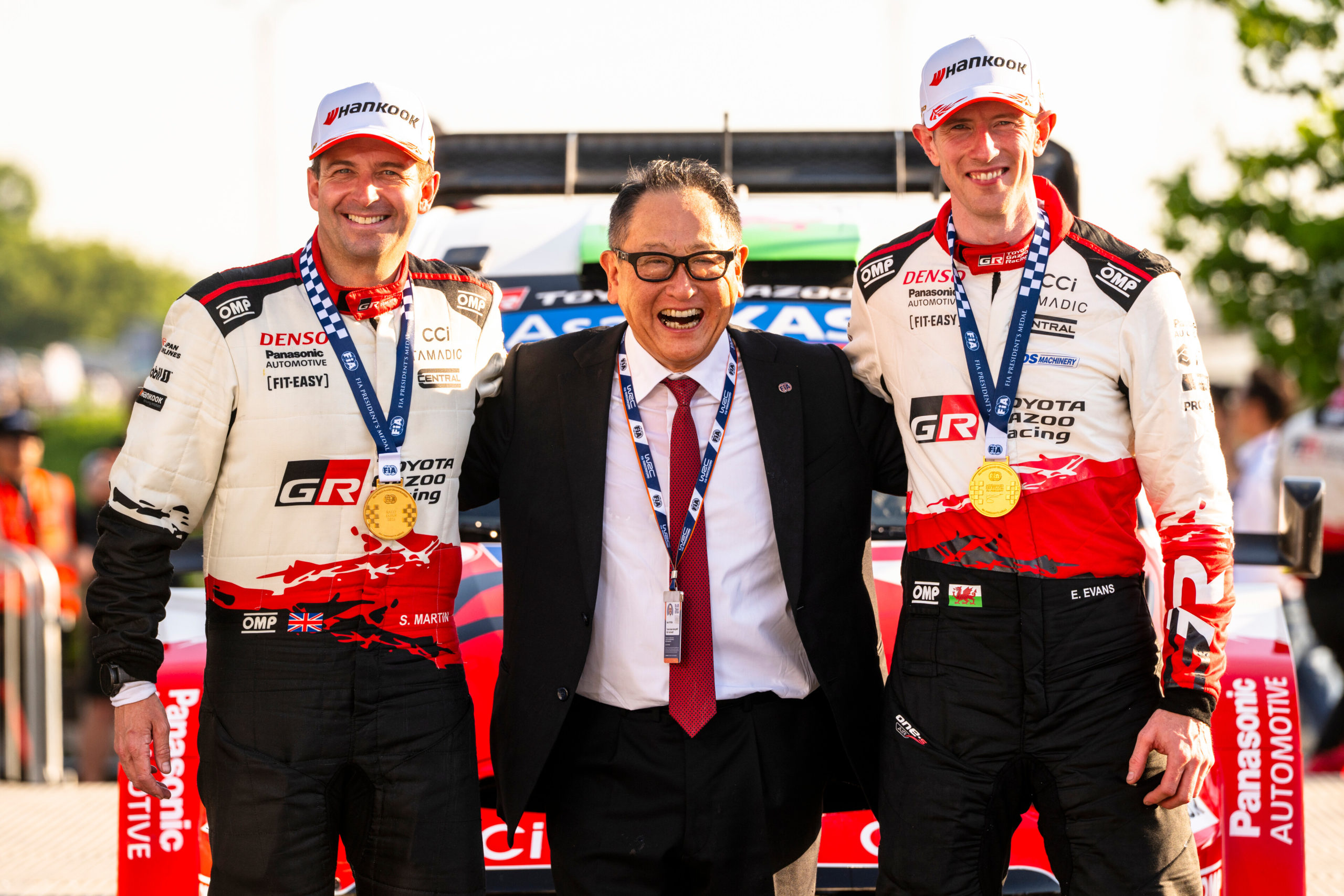
Elfyn Evans did not so much win Rally Japan as manage it. Over three days in Aichi and Gifu he turned a technical, narrow tarmac rally into an exercise in control, stretching a Friday advantage built on road position into a third victory on Japanese roads and a 20‑point lead in the World Rally Championship standings.
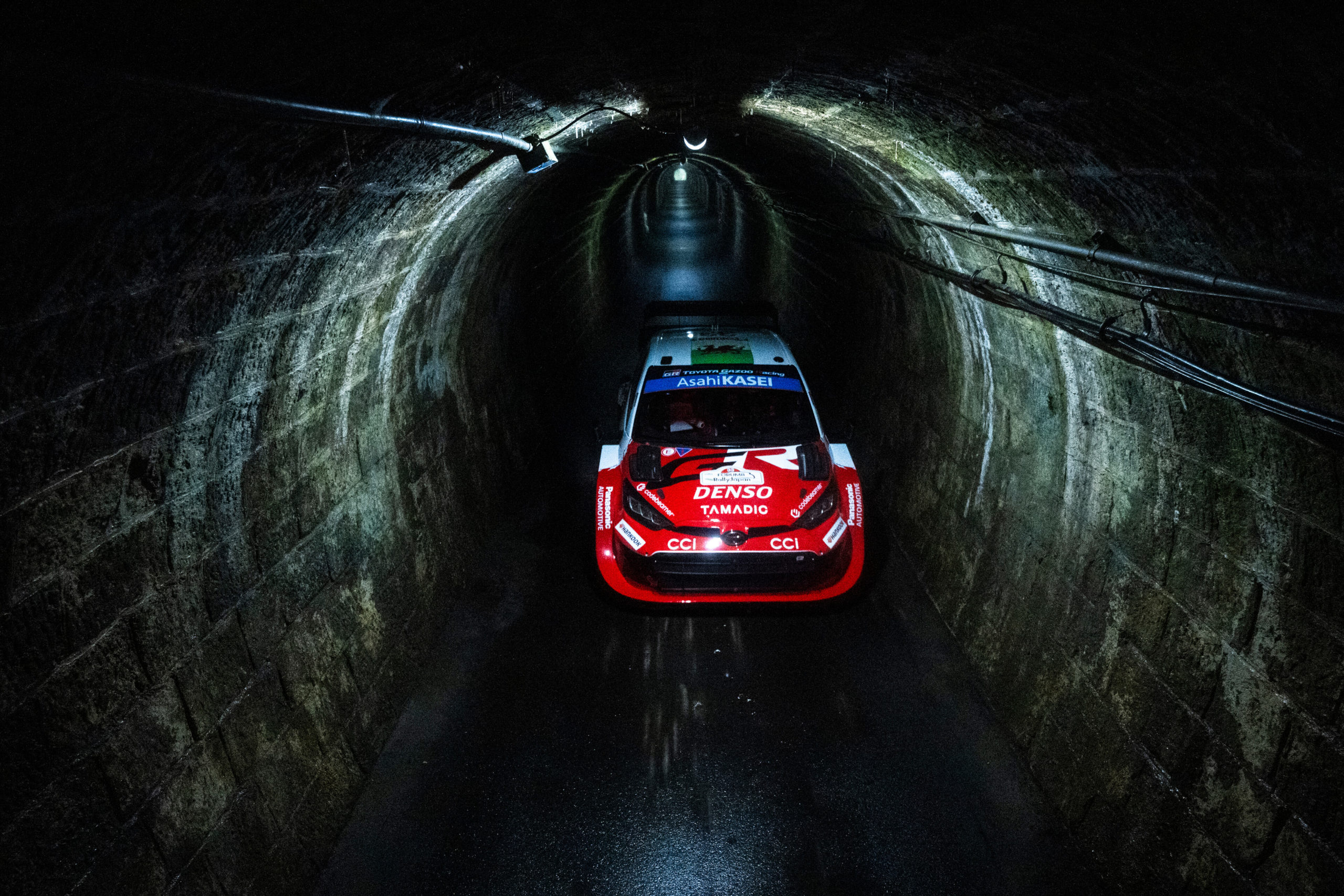
This was not a thriller settled in the final kilometres. The decisive move came on Friday morning’s first pass of Isegami’s Tunnel, when Evans exploited a clean road to carve out a lead that would define the weekend. From there, Rally Japan became a study in what happens when one team has the best package for the surface, the best position on the road – and the discipline not to overreach.
The context matters. Japan in late May is a different prospect to the November editions of recent years. Higher ambient and road temperatures, dust dragged onto the surface, and the ever-present tunnel transitions created a rally where tyre choice and road position were more important than outright aggression.
On SS1 Asuke, Oliver Solberg set the first benchmark, but it was SS2 Isegami’s Tunnel where the shape of the event shifted. Starting near the front, Evans attacked a still‑clean surface and was “untouchable” according to Toyota’s own summary, using the long, committed section through the tunnel and the tightening descents to build what became a 15.7‑second lead by Friday evening.
Sébastien Ogier, starting further back, found the road already dirtying. He would later point out that the decisive gap to Evans was created in that single stage. Once both were into similar road conditions, the times stabilised. Evans had bought himself a cushion that Ogier – even with his reputation as the reference on asphalt – could not fully erode.
By the end of day one, Toyota held a 1‑2‑3‑4, with Evans ahead of Solberg, Ogier and Sami Pajari, and home hero Takamoto Katsuta already over a minute down in sixth. The tone of the rally was set: it was Toyota’s to lose.
Solberg’s High‑Wire Act
For a brief period on Saturday morning, it looked like Oliver Solberg might turn the script. Running in a GR YARIS Rally1 under the Toyota banner, he cut into Evans’ advantage and positioned himself as the primary threat to the Welshman. The dynamic was compelling: a younger driver, still constructing his top‑line WRC reputation, hustling the same machinery as the notional team leader.
It didn’t last. On Mt. Kasagi, one of those typically Japanese tests that blend fast commitments with punishingly narrow margins for error, Solberg ran marginally wide and caught a pole. The impact ended his podium bid there and then. A weekend that had promised a genuine intra‑Toyota fight for victory became a recovery mission.
Solberg’s response was pointed. Rejoining under Rally2, he went on to maximise his score from Super Sunday and the Wolf Power Stage, underlining that his raw pace was never in doubt. It was a reminder that his 2026 campaign is about more than this one result: there is speed, but also still a career‑shaping need to convert that into unbroken weekends.
Ogier, Close but Compromised
Ogier’s second place at first glance looks routine: another podium for a driver already into three‑figure rostrum appearances, another neat line on a CV that hardly needs embellishing. The detail is more interesting.
He spent much of the weekend in a strategic box. Starting further back on Friday compromised his time on Isegami’s Tunnel; tyre behaviour over the longer loops left him with less front‑end bite than he wanted on the hard Hankooks; and by Saturday the calculation was simple – close enough to punish any Evans error, but not in a position to force the issue on pure pace.
If Evans’ drive was all about control, Ogier’s was about judgment. He banked second place, 12.8 seconds off the win, and edges closer to Sébastien Loeb’s all‑time podium record, but the weekend will not sit in the “greatest hits” folder of his career. Japan, this time, belonged to someone else.
Pajari’s Quietly Impressive Third
Behind the headline names, Sami Pajari produced exactly the sort of rally that teams remember when they sit down to talk about long‑term line‑ups. Third place, 51.4 seconds behind Evans, was his fifth podium from seven WRC starts this season – a strike rate that says more than any single spectacular stage time.
Pajari won stages, including multiple tests on Saturday as the loop repeated and set‑up confidence grew. He did it without big theatrics or off‑stage dramas, which is precisely the point. In a season where the front of the field can sometimes feel binary – Toyota versus the problem‑solving of everyone else – Pajari is quietly building a case as one of the most complete younger drivers in the service park.
That he voiced disappointment that this was the last Rally1 tarmac rally for a while is telling. For drivers who enjoy that blend of precision and commitment, Japan in this format is a rare treat.
Katsuta and the Weight of a Home Rally
Takamoto Katsuta arrived with perhaps the heaviest expectations of anyone in the field. The event is effectively a home race for the team and the driver; the branding, the fan engagement, the narrative – everything orbits around the idea of a Japanese driver winning Rally Japan for Toyota, in a Toyota.
The reality was harsher. A mistake and puncture on the opening stage dropped him down the order immediately, and cost him the tyre choice he wanted for Isegami’s Tunnel. From there, he was playing catch‑up on a rally where the front of the field was not inclined to wait. By the time the rally settled on Friday night, he was sixth, over a minute off the lead and effectively out of the podium conversation unless others faltered.
He did what he could: strong stage times across Saturday and Sunday, a push that finally took him back to fourth overall, and a role in Toyota’s 1‑2‑3‑4 story. Yet his own verdict was blunt – apologising to the fans, promising to come back and try again. The statistics will record a strong points haul; the emotional reading is of a missed opportunity on home roads.
Hyundai’s Tarmac Reality Check
If Toyota’s weekend was about executing an almost perfect home event, Hyundai’s was about confronting the ceiling of its current package on high‑temperature asphalt.
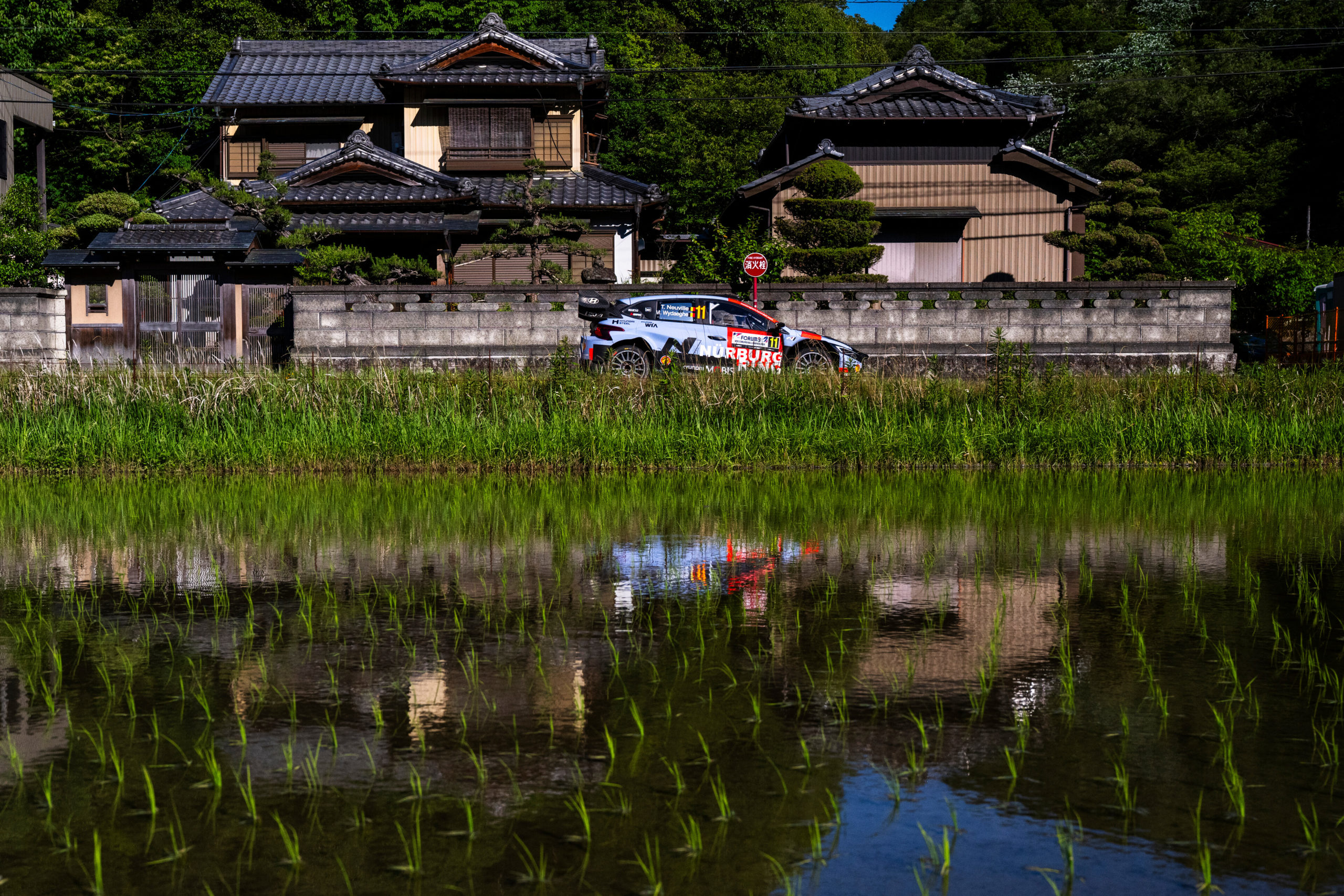
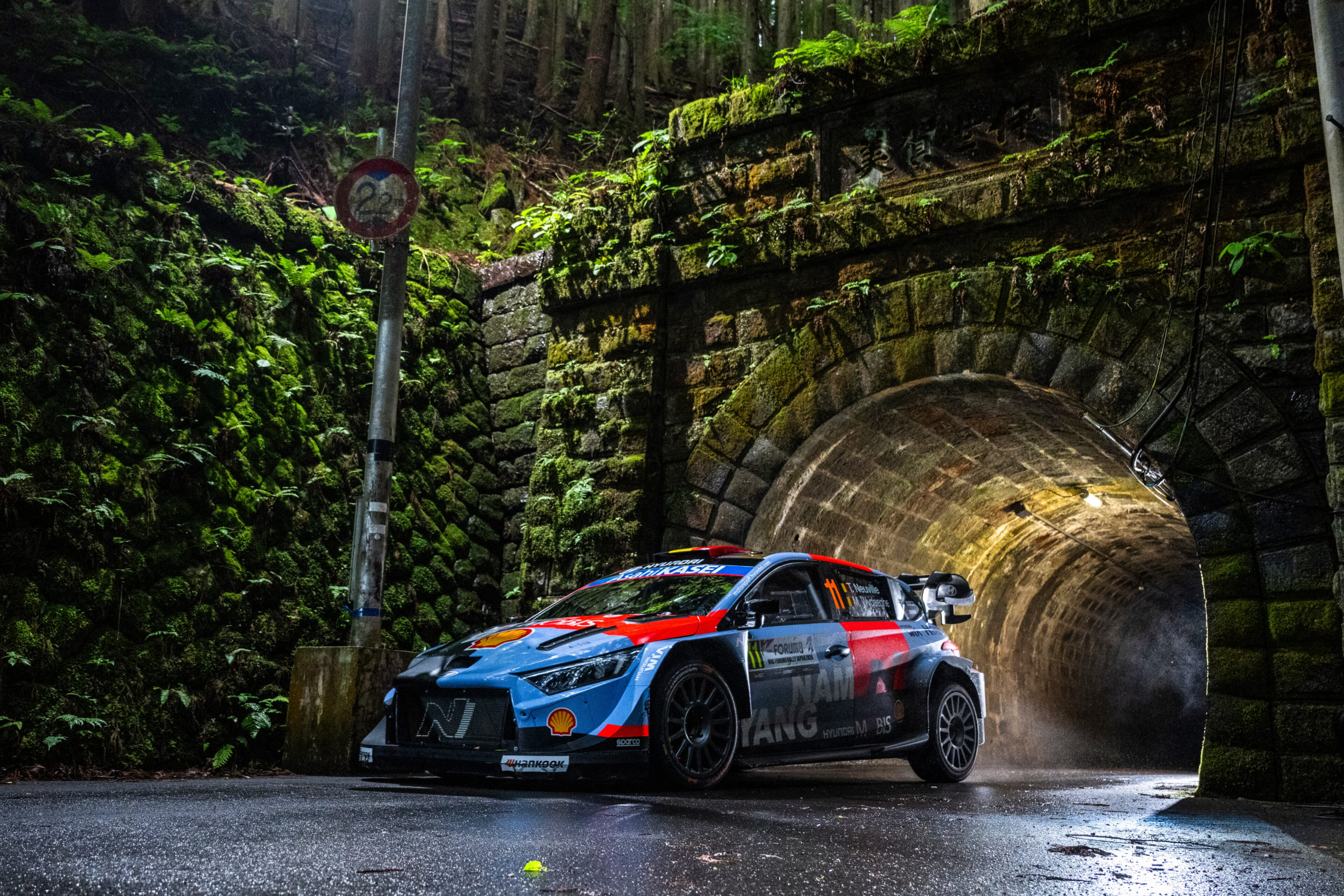
Adrien Fourmaux, in the lead i20 N Rally1, finished fifth, over two and a half minutes off the win, with Thierry Neuville another 40 seconds behind. Hayden Paddon completed the Rally1 Hyundai contingent in seventh. There were no headline‑grabbing errors, but nor was there any sustained threat to Toyota on outright pace.
Technical analysis from the paddock pointed to familiar themes: difficulty getting the front end to bite with the harder Hankook compounds, and a car that seemed more sensitive to rising temperatures than the GR Yaris. On roads that rarely offer long straights to reset temperatures or confidence, those traits are amplified.
The result is a manufacturers’ table that increasingly tilts Toyota’s way: 370 points for the Japanese marque versus Hyundai’s 243 after Japan. On tarmac, the gap is now as much philosophical as it is mathematical.
WRC2: Gryazin, Cachón and a Deciding Spin
Rally Japan’s second act played out in WRC2, where two previous winners of the event went head‑to‑head. Nikolay Gryazin, now in the Lancia Ypsilon Rally2 HF Integrale, and Alejandro Cachón, in a GR YARIS Rally2, spent the opening leg swapping the lead as conditions and confidence swung.
Cachón held the upper hand on Friday, but Gryazin’s Saturday surge – coupled with tidy tyre calls – turned the balance. The outcome, though, was decided on Sunday’s Power Stage, where Cachón spun after dipping a wheel into a water channel, later calling it a “stupid corner” and admitting he was lucky not to end up in the trees.
Gryazin inherited the breathing space he needed and closed out the win by 18.3 seconds, with Japanese driver Yuki Yamamoto taking his first WRC2 podium in third, a quietly significant result for the domestic rally scene.
The Numbers Behind the Narrative
A few key figures frame what Rally Japan 2026 actually did to the season:
Evans’ third Japan win in four years, and his 50th WRC podium
A 1‑2‑3‑4 for Toyota: Evans, Ogier, Pajari, Katsuta
Evans now on 151 points, Katsuta 131, Fourmaux 89, Solberg 82, Pajari 77
Toyota at 370 manufacturers’ points, Hyundai on 243, Toyota WRT2 on 106, M‑Sport Ford on 85
On paper, it is another home‑event rout. In practice, it was a structural statement: Toyota has the most sorted Rally1 tarmac package, and Rally Japan, in this format and at this time of year, emphasises those strengths.
An End of an Era, Quietly Marked
Japan was also, in its way, a farewell. Not to the event, but to this flavour of Rally1 tarmac rally for the foreseeable future. The calendar now pivots to gravel, with the Acropolis Rally Greece next, and the series’ competitive conversation changes with it.
For Evans, that means taking a 20‑point buffer into a stretch of rallies where the risk profile rises and the cars spend more time airborne than on the door‑handles. For Toyota, it means converting asphalt dominance into something more rounded across surfaces. For Hyundai, it offers a reset: away from the unforgiving geometry of Japanese mountain roads and into conditions where the i20’s strengths may tell.
Rally Japan 2026 will not be remembered as a last‑corner classic. Instead, it sits in that more subtle category of WRC events: a weekend that quietly shifts the geometry of a season. The numbers changed – points, gaps, statistics – but so did the sense of who controls what. Evans left Nagoya with more than another trophy; he left with the feeling that, for now at least, the championship’s tempo is his to se