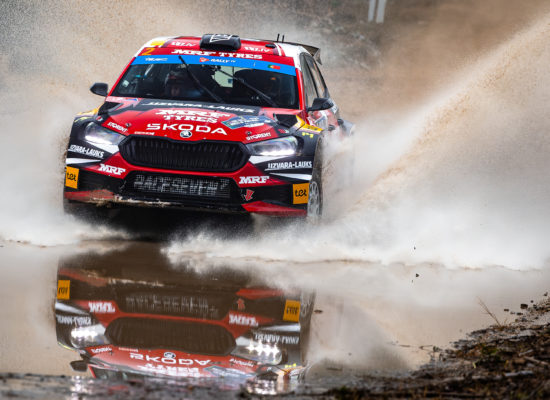
The 2025 Rally Croatia, the final round of the FIA European Rally Championship, was a technically complex contest in which strategy, adaptability, and mental resilience proved decisive. Far from a mere procession, the event tested drivers with demanding mixed-surface tarmac stages around Zagreb and culminated in tense championship drama.

Sporting Context and Stakes
As the closing round, Rally Croatia provided the backdrop for a three-way battle for the ERC title. Marczyk led the standings, but Armstrong and Mabellini were mathematically eligible, with the pressure amplified by the ERC’s dropped-score system and a rain forecast. The prospect of variable weather and surface grip raised the risk level, ensuring that championship contenders faced not just rivals but the unpredictability of the roads.
Route and Technical Challenges
The route covered 172.36 competitive kilometres over ten stages, with the surface prone to deterioration, slickness, and inconsistent grip. Stage design was neither forgiving nor repetitive; Saturday’s leg featured three substantial loops west and southwest of Zagreb, including segments with frequent rhythm changes and roadside hazards that punished minor errors. Sunday’s stages north of the city were technical, with regular profile shifts and corners demanding accurate pace-note preparation. The Zagorska Sela–Kumrovec Power Stage, a holdover from WRC events, attracted particular attention for its championship relevance and history.
Tyre choice became pivotal. Armstrong and Mabellini, both on Pirelli, could exploit the new Cinturato RWD compound tailored for wet tarmac, while Marczyk, on Michelin, relied on hard-won consistency. The surface was slippery, with substantial rubber “joker” choices by Pirelli suppliers to counteract frequent rain and low temperatures.

Competitive Narrative
Armstrong emerged as the most aggressive contender, translating local experience into five fastest stage times on Saturday’s opening leg. Mabellini, under championship pressure, faltered when he slid off during stage four, ending his campaign. Marczyk kept his nerve, avoiding major mistakes and controlling his pace in wet conditions that caught multiple rivals out. The rally was punctuated by off-road incidents, overshoots, and attrition throughout the entry list. Strategy and error margins were under constant challenge as drivers balanced outright speed with championship preservation.
In the final classification, Armstrong claimed rally victory, but it was Marczyk who secured the ERC title. Holding his nerve in the deciding rain-hit stages, Marczyk took third overall, enough to edge Armstrong in the points table by six—demonstrating that steady consistency, rather than maximum aggression, remains a viable ERC strategy.
Outcome and Reflection
Croatia’s ERC return after its WRC stint reaffirmed the event’s standing as a “drivers’ rally”—technically varied, punishing of lapses, and a true stress test for those aiming at continental honours. The championship resolution rewarded a year’s steady accumulation of points, tactical adaption, and managing the psychological strain of a title decided in the very last kilometres. Marczyk’s champion status reflects not dominance, but the ability to manage pressure and risk on unpredictable tarmac in an unpredictable season.