Toyota turns the tables: TR010 delivers landmark Imola win
Toyota’s 50th World Endurance Championship victory, earned on its 100th start, did not arrive in some distant desert or on a day when everyone expected it. It came at Imola, on Ferrari’s home ground, at the end of a six‑hour race that had begun with red cars on the front row and tifosi already rehearsing the anthem. The 2026 6 Hours of Imola, opening round of the new FIA WEC season, will read as a neat line in the record books – win number fifty for the #8 Toyota of Sébastien Buemi, Brendon Hartley and Ryō Hirakawa – but it felt more like a quiet re‑balancing of power.
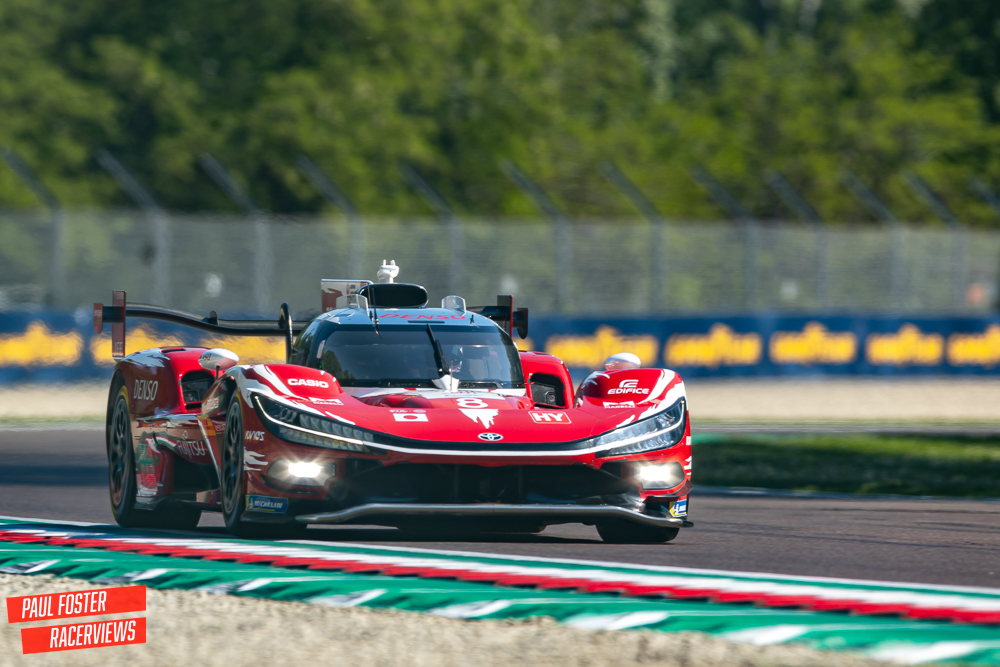
Ferrari had taken pole on Saturday by eleven thousandths of a second. On Sunday, Toyota replied with thirteen seconds in hand at the flag. In between sat the kind of race that explains why this era of endurance racing is so compelling: strategy instead of spectacle, traffic management instead of theatrics, and a title contender that chose patience over panic.
Hypercar: Toyota’s 50th, Ferrari’s reminder
On paper, the result is clean. The #8 Toyota Racing TR010 Hybrid beat the #51 Ferrari 499P to the line by roughly 13.3 seconds, with the #7 Toyota completing the podium ahead of an Alpine that spent much of the afternoon punching above its weight. Underneath that, the story is of a team that trusted its processes more than its qualifying result.
Ferrari began the day in precisely the position it would have drawn up in Maranello: Antonio Giovinazzi on pole in the #51, the #8 Toyota pinned to its outside, the second Ferrari (#50) tucked in behind. The opening hour followed the expected pattern. James Calado, then Giovinazzi, handled the start and early traffic with a kind of measured aggression that has become a signature of this programme. The #51 edged away, the customer #83 Ferrari hovered around the sharp end, and Toyota held station, never quite close enough to lunge, never far enough to disappear from the timing screens.
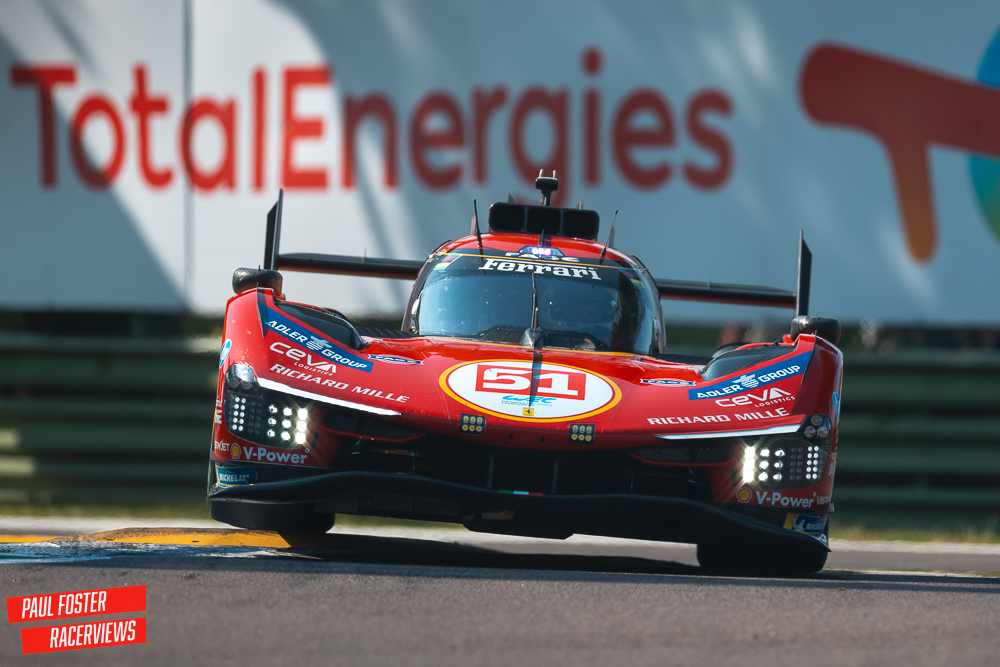
The hinge point came not from a single dramatic moment but from a series of small, connected calls. Toyota’s pit wall, reading the evolving tyre picture and the behaviour of the TR010 on a track that was slowly coming to the cars, began to commit to an offset that would give the #8 cleaner air and stronger tyres in the late stages. Where Ferrari chose to defend track position with relatively conservative stints, Toyota accepted short‑term compromise for long‑term momentum.
It worked. As the race unwound into its final third, Hartley and then Buemi found themselves with a car that could run a decisive sequence of laps on a clearer track. The pass itself – Toyota overcoming the Ferrari that had led for so long – was less a single move than a gradual inversion of the race’s logic. Once ahead, the #8 did not look back. The final margin, 13.352 seconds over the #51 of Giovinazzi, Calado and Pier Guidi, felt earned rather than gifted.
Behind them, the #7 Toyota – Kamui Kobayashi, Nyck de Vries and Mike Conway – made it a double podium. For much of the race it had been the more circumspect of the two cars, spending time buried in traffic or pinned behind rivals on awkward tyre phases. Yet its progress through the field after the second safety car period was a reminder that this team knows how to climb methodically when the race becomes disordered. The move on the #35 Alpine in the closing stages, securing third, was decisive without being showy.
Ferrari, for its part, leaves with both a disappointment and a confirmation. The #51, second at home, will feel like a missed opportunity after Hyperpole drama and early control, but it also showed enough race pace and operational sharpness to underline that last year’s title was not a one‑off. The #50 car of Antonio Fuoco, Miguel Molina and Nicklas Nielsen completed the top three for much of the race but ultimately had to cede that place to the charging #7 Toyota, settling for fourth in a result that says as much about the field’s compression as it does about Ferrari’s day.
Alpine’s #35 A424 – António Félix da Costa, Charles Milesi, Ferdinand Habsburg – took fifth on a day when it had briefly run as high as third after safety car restarts. For a project that spent much of the previous season rebuilding itself, this was exactly the sort of opening chapter it needed: relevant, robust and visible in the key phases.
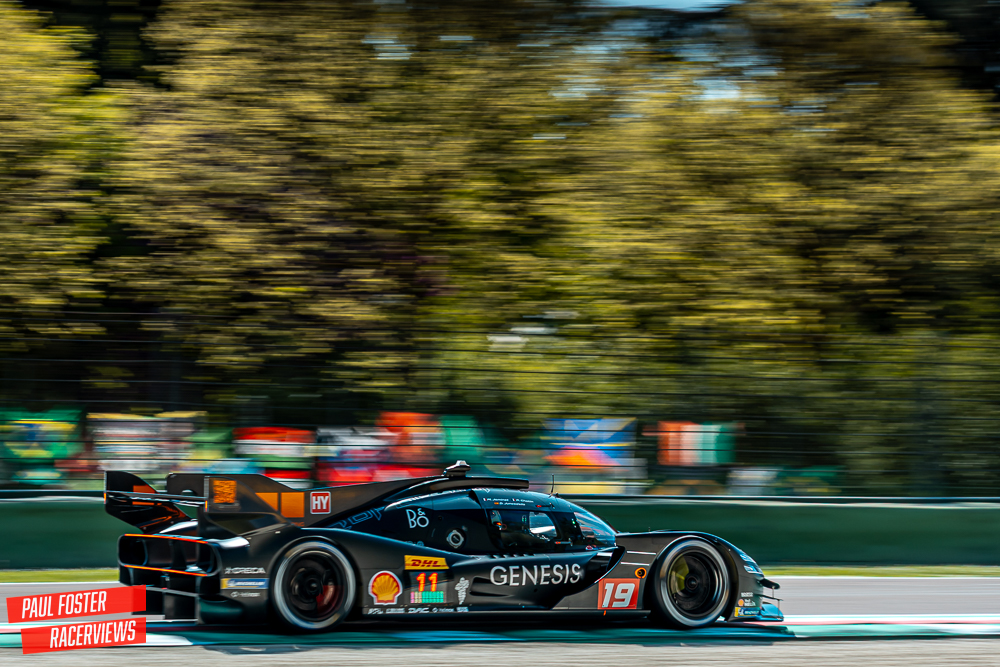
Behind them, Cadillac Hertz Team JOTA, Peugeot, BMW and Genesis traded positions in the heart of the pack. The Cadillacs, so promising at times in practice, found themselves undone by a combination of penalties and timing; Peugeot’s best 9X8 again sat on the edge of the lead group without quite breaking into it; BMW’s M Hybrid V8s bagged points and data; Genesis completed its maiden WEC race close enough to the established order to justify its investment.
What Imola’s result really underlines is not that Toyota is back – it never truly went away – but that Ferrari no longer has the luxury of dropping a point without feeling it in the table. A win for the #8, a double podium for Toyota overall, and a Ferrari that has to explain how a race that began on pole ended in second and fourth: that is how title fights are built.
LMGT3: a battle to the flag
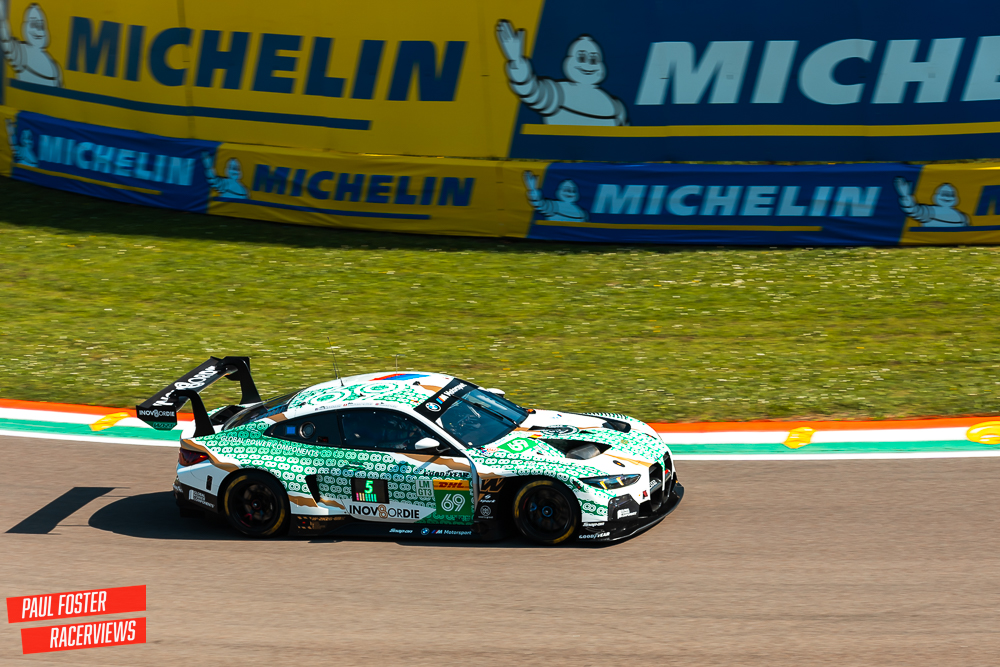
While Hypercar was busy reshuffling the hierarchy, LMGT3 continued to prove why its introduction was the right decision. The class’s first Imola race as part of a full season felt less like an undercard and more like a parallel championship with its own logic and tension.
Pole on Saturday had gone to Tom Fleming and Garage 59’s McLaren, an assertive display from a driver and programme new to WEC. Sunday’s race was more nuanced. Over six hours, the pendulum swung between Corvette, Aston Martin, Lexus and Ferrari, with strategy calls, Bronze‑driver pace and traffic all playing their part.
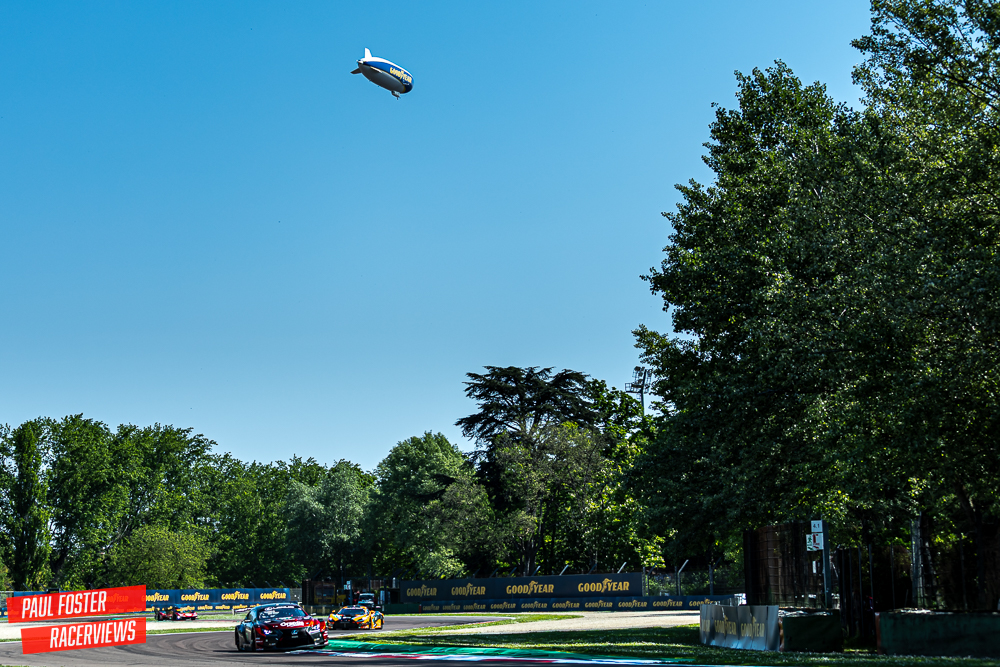
Racing Team Turkey by TF, so impressive through practice with its #34 Corvette, had to overcome a fraught build‑up that included technical issues and interrupted running. Heart of Racing’s twin Aston Martins converted their qualifying promise into a steady haul of points, their line‑ups leaning on the experience of drivers like Ian James, Jonny Adam and Mattia Drudi to manage stints where patience mattered more than outright attack. Akkodis ASP, with its twin Lexus entries, again showed the sharp one‑lap pace that had defined its Hyperpole, but spent too much of the race clearing traffic or recovering from minor delays to turn speed into silverware.
The class never truly fragmented. Safety cars and Full Course Yellows repeatedly concertinaed the field, and there was a sense throughout that any of the leading five or six cars could have won on a slightly different day. That, in itself, is a healthy sign. LMGT3 is still early in its WEC story, but it already has the one thing such a category cannot be without: credibility. It looks and feels like a proper world championship class, not a support act.
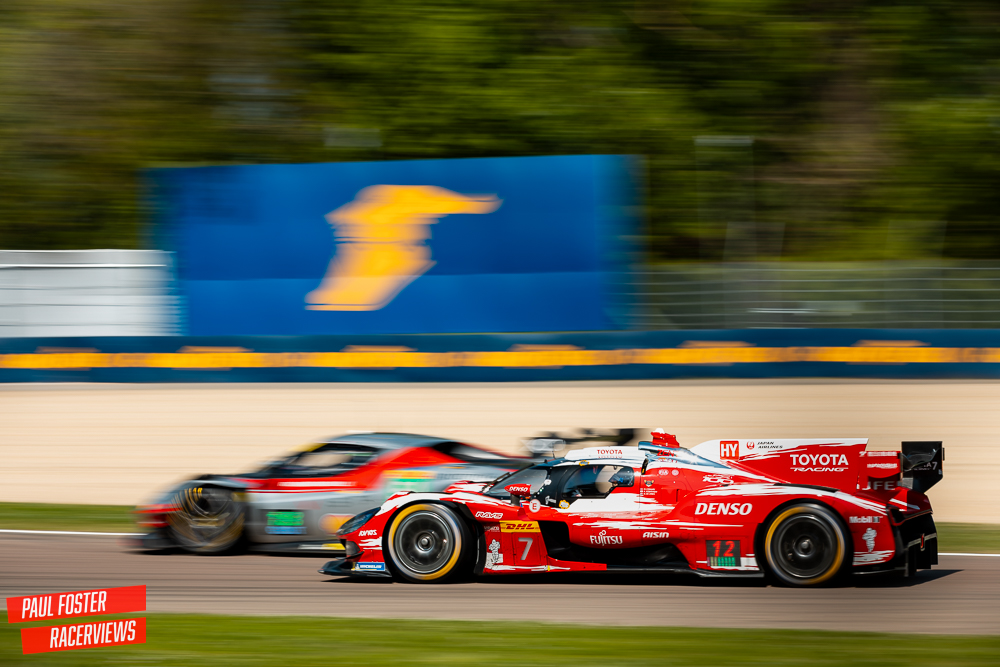
A meaningful opening to the 2026 season
The temptation after any season opener is to read too much into the result. Imola will be no different. Toyota’s win will be framed as a statement, Ferrari’s defeat as a warning, Alpine’s run as a revival, and LMGT3’s chaos as a promise of things to come.
Some of that is fair. Toyota’s 50th victory, achieved with a heavily revised car in a field deeper than any the WEC has previously managed, is a milestone worth taking seriously. Ferrari’s inability to convert pole and early control on home soil into a win is a reminder that this age of convergence does not forgive even small miscalculations. Alpine’s fifth place, in a race that might easily have given it more, suggests its project is past the fragile phase. And LMGT3, once again, looks like the part of the championship most likely to surprise us on any given weekend.