At first glance, it is the look that stops drivers in their tracks.
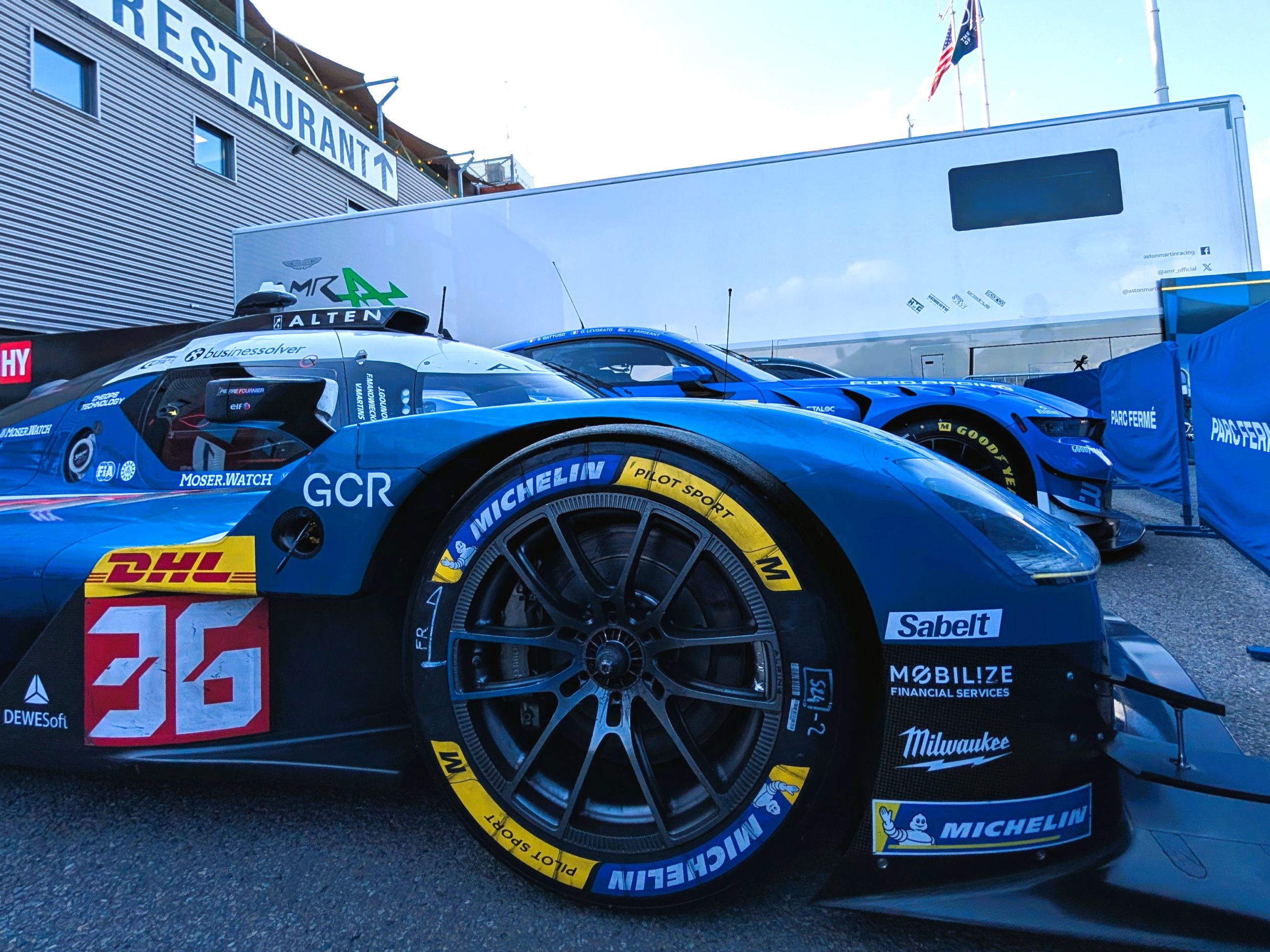
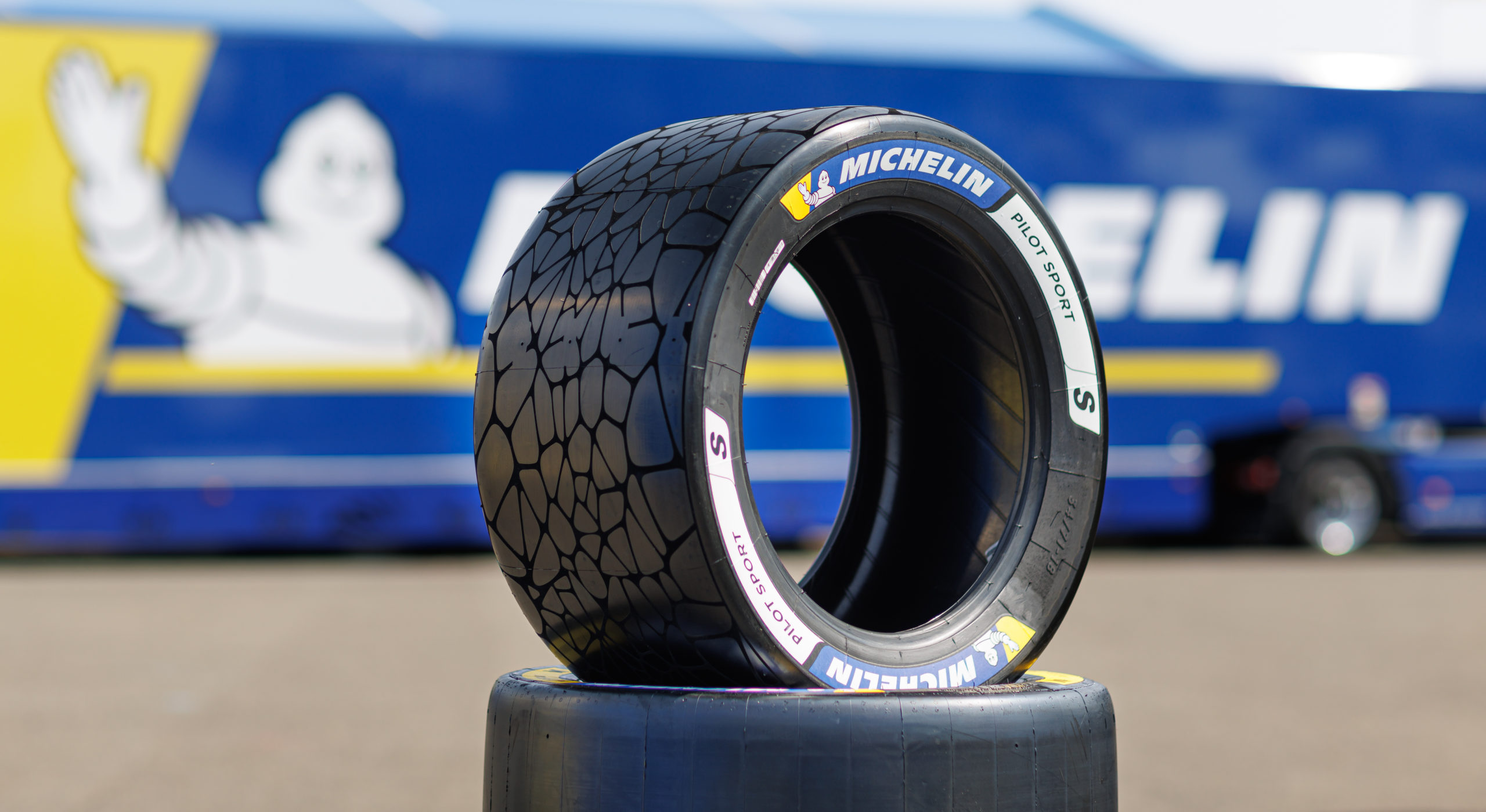
Michelin’s new Pilot Sport Endurance tyre arrives at Le Mans with a graphic “Vision” pattern that makes the slicks look more like a design study than a conventional racing tyre. For Ferrari’s Phil Hanson, that visual shock is the starting point for a much deeper change in how tyres are built, and how a 24‑hour race is run.
“It’s not a sticker”: what drivers see – and feel
Hanson admits that when he first saw the patterned slick, he assumed it was a simple cosmetic layer applied on top of the tyre, something that would disappear after a handful of laps. In reality, as Michelin explained to him, the pattern is bonded into an upper layer of rubber that shares the same material as the working tread.
That detail matters. It means the pattern is not a gimmick stuck on for the photos; it is physically part of the tyre construction, surviving multiple laps before it gradually scrubs away. Hanson talks about watching how many laps it takes before the pattern vanishes, using it almost as a visual cue for how the tyre is bedding in and how the rubber is working over a stint.
The design is deliberate on Michelin’s side too. Engineers describe the “micro‑velvet” or Vision effect as a way to draw attention to a tyre that is carrying a new story inside: the move to around 50% renewable and recycled materials in a mass‑produced endurance slick. The pattern is there to start conversations – with drivers, engineers, media and fans – about what is actually in the tyre.
50% sustainable material: what’s inside the black circle
Under that patterned surface, the 2026 Pilot Sport Endurance range is a significant step in Michelin’s sustainability roadmap. For the Hypercar and GTP classes in WEC and IMSA, Michelin has raised the proportion of renewable and recycled content in the slicks from roughly 30% in the previous generation to about 50% for 2026.
Those materials are spread across all the key components of the tyre. They include recovered carbon black, natural and recycled rubber, bio‑sourced oils and resins, and recycled metallic reinforcements such as steel. The range has been conceived as the first “high‑volume” racing tyre line to reach that level of sustainable content, using around 30,000 units per year across WEC and IMSA rather than the tiny volumes associated with experimental series like MotoE or hydrogen demonstrators.
This is not just a racing side‑project. Michelin links the development directly to its broader “all‑sustainable” strategy, which targets 100% renewable and recycled materials in road tyres by 2050. Endurance racing becomes the test lab: if a tyre can survive and perform at Le Mans with 50% sustainable content, the same technologies can be scaled and adapted for everyday use.
The performance trade‑offs drivers actually feel
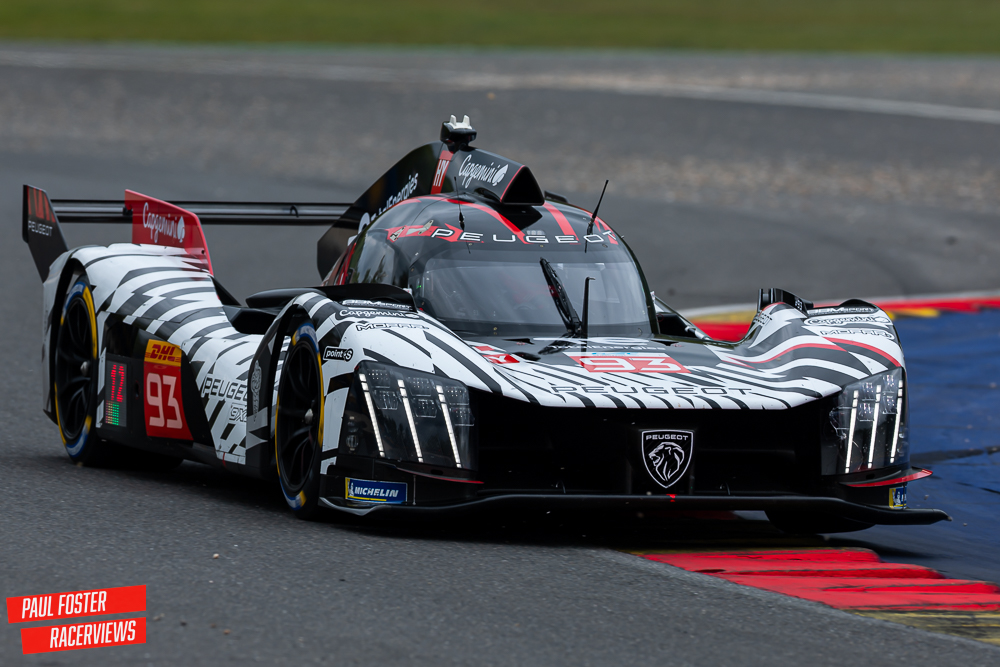
Sustainability comes with engineering choices, and the drivers in your video are frank about that. Stoffel Vandoorne, representing Peugeot, talks about the push to use fewer aggressive chemicals in the rubber mix to make the tyres more eco‑friendly, and how that can blunt ultimate performance. From a driver’s perspective, the request is simple: give me grip and consistency first, and make the sustainability work in the background.
Michelin’s public line echoes that tension. The company insists that the new tyres are designed to maintain, and in some areas improve, performance while increasing the sustainable content. In practice, what that seems to mean is a shift in how and where performance is delivered. Rather than chasing a huge gain in peak one‑lap pace – which would be constrained anyway by Balance of Performance in Hypercar and GTP – the focus has been on warm‑up, consistency, and tyre life over multiple stints.
That is where the drivers’ feedback gets more nuanced. Vandoorne’s comment reflects a concern that eco‑friendly formulations can dull the edges, yet the endurance brief is not about a single qualifying lap. It is about giving teams a tyre they can trust over a wide range of conditions and run for longer without a dramatic fall‑off.
More room to play: compounds, warm‑up and temperature windows
Alpine’s Charles Milesi adds detail from the cockpit. He notes that the new soft compound works better at higher temperatures and now sits closer to the medium in behaviour, while the medium itself is quicker on the out‑lap than last year. That combination gives engineers a wider usable window and more flexibility in how they sequence compounds through a stint and across a race.
Michelin’s own material backs that up. The 2026 Pilot Sport Endurance family for Hypercar and GTP offers three main slick options – soft, medium and hard – plus a wet tyre, all built on the same sustainable construction. The recommended operating ranges place the soft at lower ambient or night‑time conditions, the medium as the default choice over much of the typical WEC temperature band, and the hard for very hot, abrasive conditions.
What matters for Le Mans is not just grip level, but how quickly each compound comes in and how long it stays in its sweet spot. The updated rubber chemistry and carcass design are intended to deliver quicker warm‑up and more stable performance over a full fuel run, reducing the penalty of double‑ or multi‑stinting a set of tyres. For drivers, that translates into more confidence on out‑laps and fewer laps spent “nursing” the tyre to bring it to temperature.
Strategy: from tyre management to tyre as a weapon
That evolution turns tyre choice into an even sharper strategic tool. The 24 Hours of Le Mans has always been a game of energy management – fuel, hybrid deployment, brakes, and tyres – but the 2026 Michelin package shifts the balance slightly toward using tyres as an offensive weapon.
With a carcass designed for longevity and compounds that hold performance over extended runs, teams can realistically plan more double‑ and even multi‑stints on the same set, depending on track temperature and stint timing. That reduces the number of full changes and the time lost stationary in the pit lane. It also opens the door to bolder choices, such as finishing the race on softs if conditions cool enough, something Milesi suggests is now on the table whereas the soft compound was “never an option” for the race distance in the previous generation.
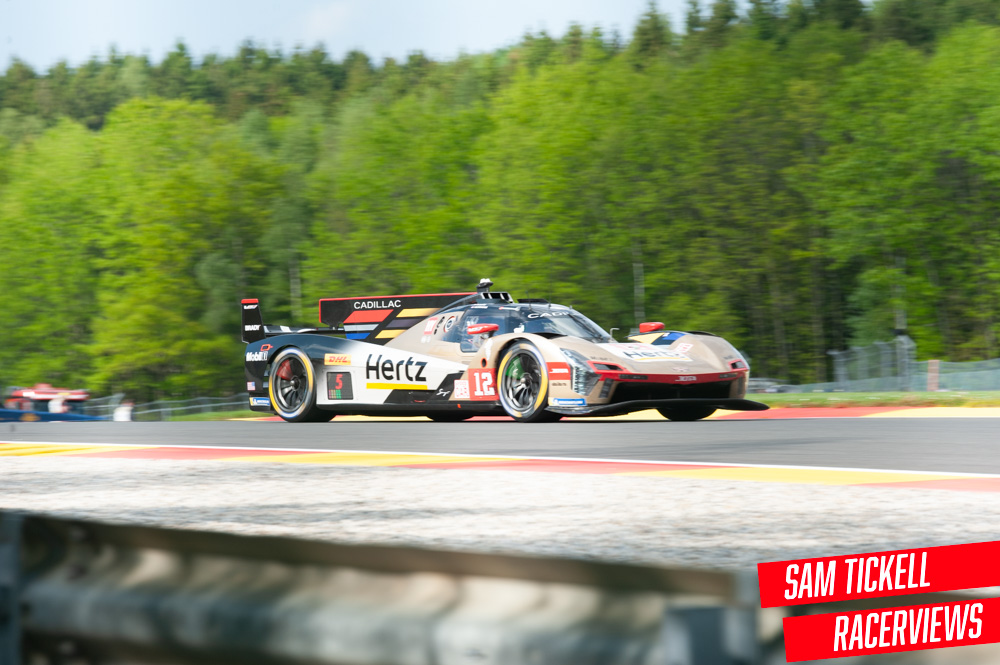
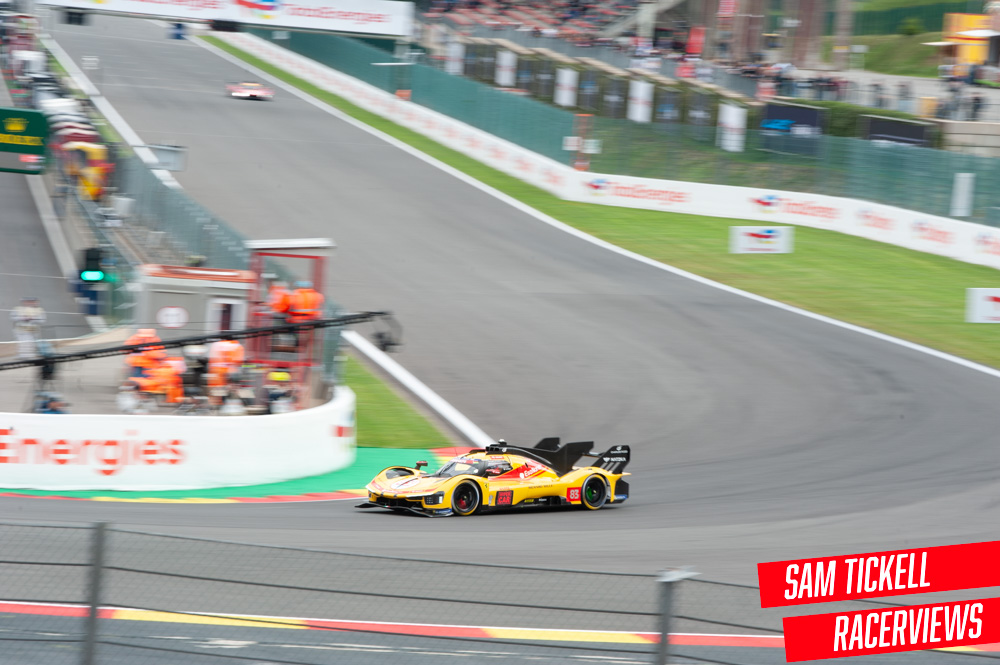
Hertz Team JOTA’s Will Stevens underlines how sensitive this becomes at tracks like Spa, where Eau Rouge arrives almost immediately after leaving the pits on cold tyres. He talks about the risk–reward calculation on out‑laps, especially on the medium compound, as drivers try to maximise lap time without over‑stepping grip that is still building. Le Mans brings its own version of that dilemma, with cars rejoining at high speed on the Hunaudières and through fast sectors where tyre warm‑up and pressure management are crucial.
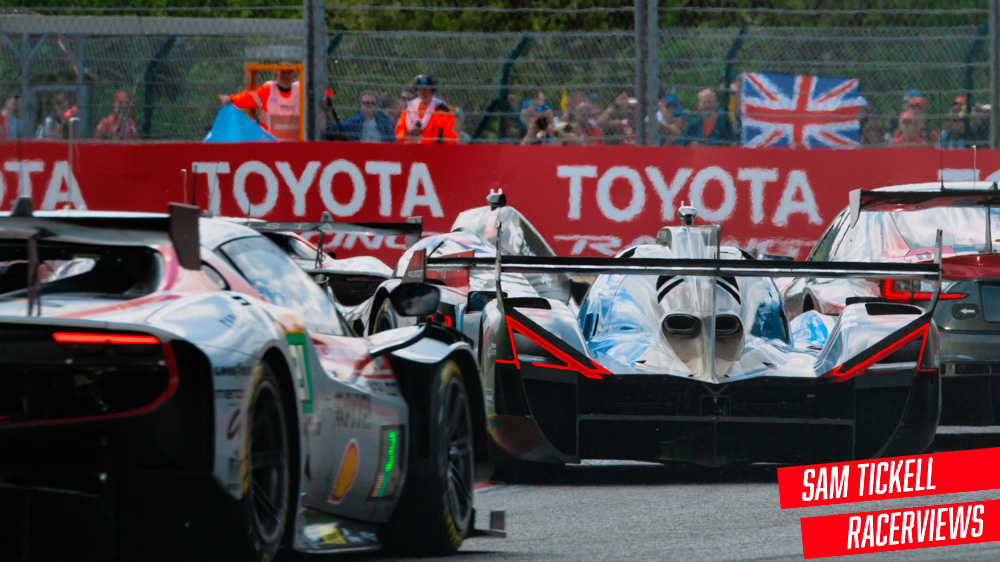
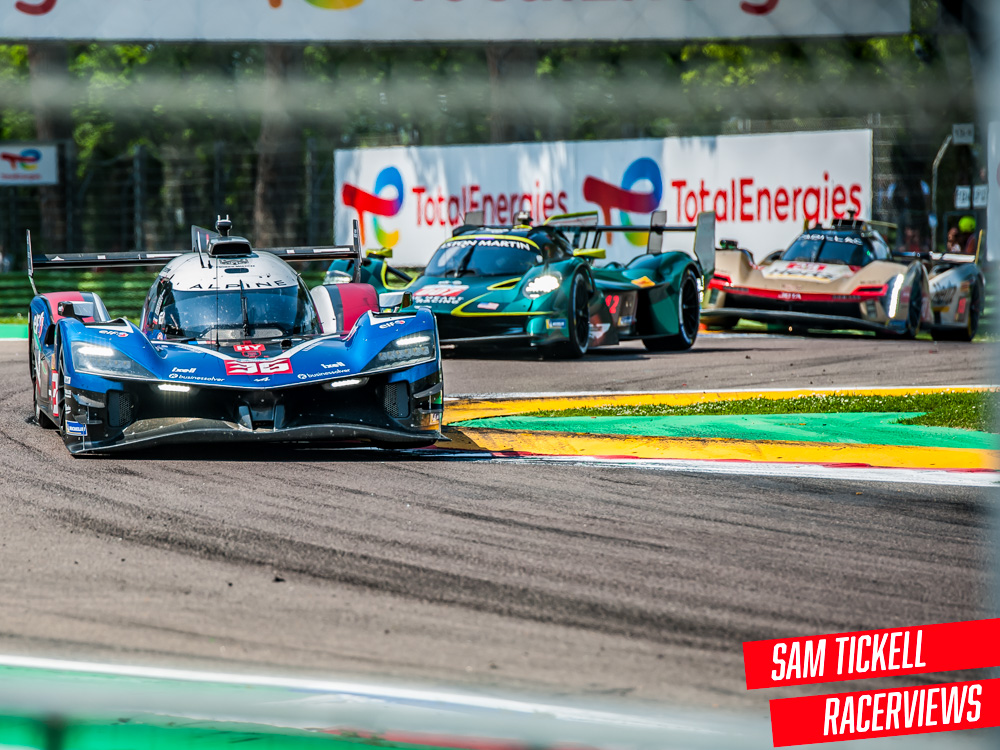
The Imola and Spa WEC rounds, along with IMSA outings in the United States, have effectively been live testbeds for this new tyre family. By the time the grid arrives at Le Mans, teams will have banked data on how the soft and medium behave across different surfaces and temperatures, but the unique demands of La Sarthe – long straights, cool nights, and mixed grip levels – mean strategy choices will still be far from straightforward.
A tyre that explains itself
One of the more interesting aspects of the new Michelin is communicative rather than mechanical. The Vision pattern is deliberately used by the company as a storytelling device. Engineers and marketing staff alike describe it as a way to “challenge what people think a racing slick should look like” and invite questions about what has changed inside the tyre.
For fans, media, and even some team personnel, a slick has historically been visually anonymous: black, smooth, and indistinguishable apart from sidewall markings. The patterned upper layer on the Pilot Sport Endurance turns each tyre into a visible indicator of wear and use. The way the pattern fades over laps offers a rough visual reference for how the surface is working – something Hanson picked up on as he watched how many laps it takes before the design disappears.
Behind that visual hook is an industrial story: the move to 50% sustainable content, the use of new bonding techniques that join multiple rubber components “wet” before curing, and the challenge of scaling those processes to tens of thousands of competition tyres a year. In that sense, the tyre is both a performance part and a piece of visible messaging about where endurance racing is heading.
Le Mans as a sustainability test bench
Le Mans has long been a technology crucible – diesels, hybrids, energy‑recovery systems and now hydrogen projects have all used the 24 Hours as a stage. Michelin is leaning heavily into that history, framing its 2026 tyre as another step in using the event as a test bench for sustainable materials and manufacturing.
By delivering a slick with roughly half of its content coming from renewable or recycled sources and then running it flat‑out for 24 hours in front of a global audience, the company gains two things. First, a brutally honest validation of durability and performance at the limit; second, a powerful proof‑point it can translate into road‑tyre marketing and regulatory discussions.
The drivers’ comments in your video capture that duality. Hanson focuses on the construction and look, Vandoorne on the perceived performance compromises of going greener, Milesi on the new strategic possibilities opened by the compound behaviour, and Stevens on the real‑world risk management that comes with squeezing performance out of all of it. Together, they describe a tyre that is more than just a new spec – it is a rolling experiment in how far endurance racing can push sustainability without sacrificing what makes Le Mans compelling.
A new baseline for the 24 hours
When the lights go out at La Sarthe, nobody will be thinking about recycled carbon black or bio‑based resins as they charge into the Dunlop chicane. But over the course of 24 hours, Michelin’s new Pilot Sport Endurance tyres will quietly shape the race: how long stints run, which compounds teams gamble on at different times of day, how aggressively drivers can attack on out‑laps, and how many times cars need to sit still in the pit lane.
The tyre’s unusual look might be the first talking point in the paddock, but its real legacy will be measured in stint lengths, lap‑time traces, and pit‑stop counts – and in what Michelin learns from all of that for the next generation of both race and road tyres. In a year where sustainability, strategy and performance intersect more tightly than ever, the black circles under each Hypercar are telling a story that goes far beyond rubber.
–
With exception of the DPPi photo, and the #93 Peugeot, all photos, footage, and interviews by Sam Tickell of RacerViews.