Project Rally One has revealed the car it intends to take into the World Rally Championship in 2027, with the Belgian-led operation targeting a two-car debut at Rallye Monte-Carlo in January.
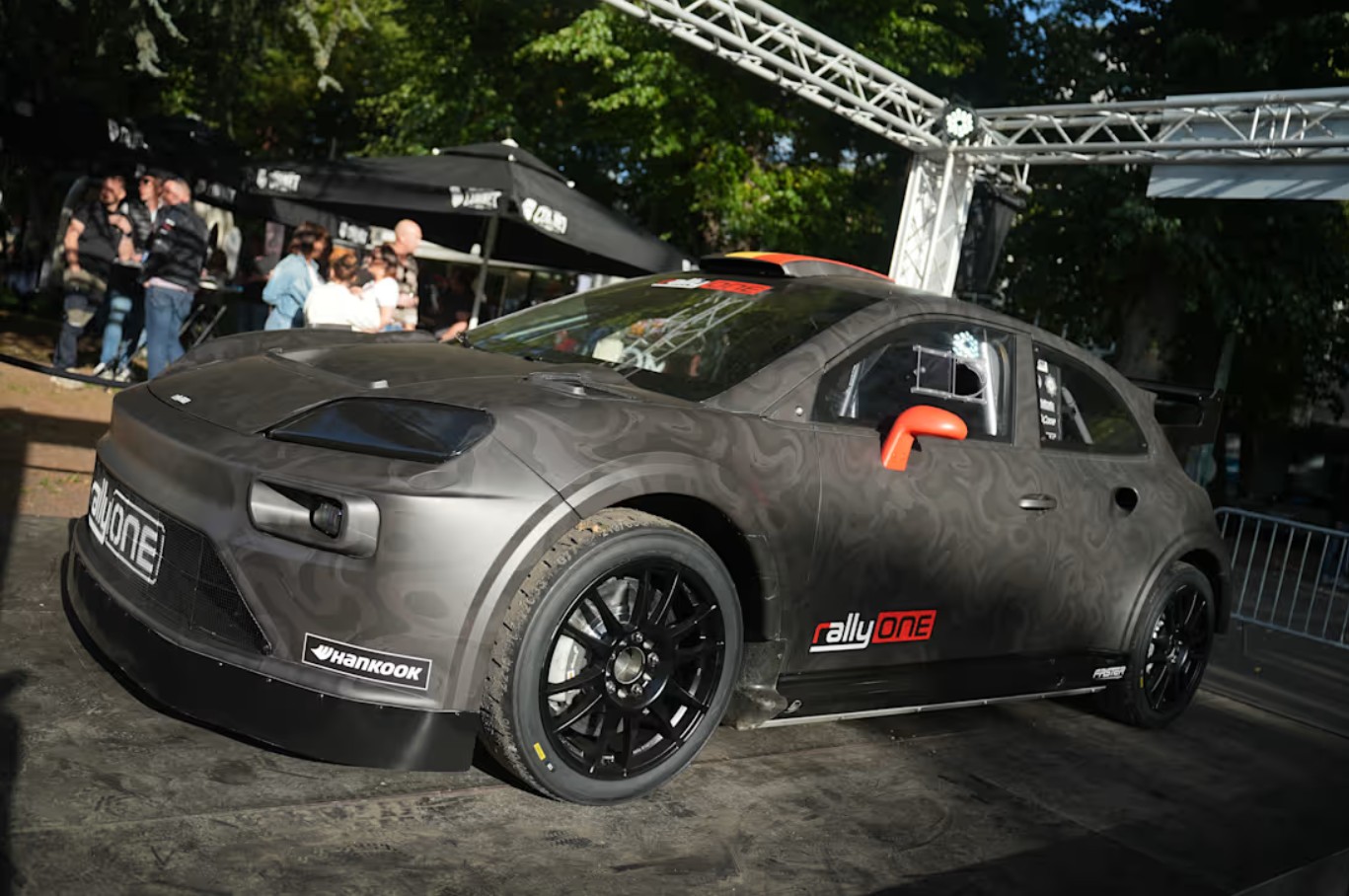
The new challenger made its first public appearance at the Rally4Passion event in Huy on 18 September. Led by motorsport engineer Lionel Hansen, it is the first privately led constructor project to emerge under the WRC27 regulations, which open the championship’s top category to independent tuners alongside established manufacturers.
At the unveiling, Hansen said the programme remained on schedule for FIA homologation on 1 November, following an initial asphalt test programme completed without a reliability issue.
“Our objective remains to enter two Rally One cars on the 2027 Rallye Monte-Carlo,” he said.
“It is a demanding challenge, but it remains a realistic one. There is still a lot to happen between now and then.”
A new entrant for a new era
For WRC Promoter, the project is an early indication of what the incoming regulations could bring to the championship.
“What is particularly impressive is seeing something created effectively from a blank sheet – bringing together the technical programme, the people, the partners and a new identity,” said Chief Operating Officer Julien Vial.
“Getting a project like this from an idea to a physical car requires significant commitment, investment and belief from everyone involved.”
Vial said the ambition was to make the championship attractive to newcomers as well as its existing manufacturers and teams.
“For us, this is about more than simply having another car on the stages. We want WRC to continue to be an attractive environment for established manufacturers and teams, but also for ambitious newcomers that can bring fresh ideas, new stories and new opportunities for brands and partners.”
The car uses a VAG Group-badged engine related to the unit found in the Škoda Fabia RS Rally2, extensively modified to meet the WRC27 requirements. Its bespoke bodywork has been developed and constructed by Paris-based Faster Racing.
The operation had grown to 21 full-time staff by the September launch, with Alain Penasse appointed Sporting Director. No drivers were confirmed for the proposed Monte-Carlo entries, although Penasse said discussions were already under way.
Lefebvre and Thiry complete the first running
Before its public debut, the car had completed five days and approximately 750 kilometres of asphalt testing with Stéphane Lefebvre and Bruno Thiry.
Their work established the starting point for a broader development programme, with Hansen reporting no reliability issues during that initial running. Further asphalt testing and a move onto gravel were planned as the team worked towards homologation.
The project has since drawn on a wider group of drivers, including Freddy Loix, Teemu Suninen, Raphaël Astier and Quentin Gilbert. As many as eight drivers are expected to contribute during development, giving the engineers a range of feedback as they refine the car.
Loeb adds his experience in the Vosges
The most prominent addition to that testing group is Sébastien Loeb, who drove the car during a two-day session in the French Vosges in October. The nine-time World Rally Champion shared driving duties with Suninen as the team continued its asphalt development.
Suninen handled the opening day in persistent rain, allowing work on the car’s wet-weather settings. Loeb took over the following day, with improving conditions allowing most of his running to take place on dry asphalt.
“The feedback from both drivers was positive and their contribution was fundamental to the car’s development,” Project Rally One said following the test.
Loeb’s involvement does not, however, confirm a competitive return with the team. His appearance was part of the development programme, with no race agreement announced alongside it.
The focus remains on turning the new car into a homologated, competitive package in time for January. The public unveiling established the project’s identity; the work by Lefebvre, Thiry, Suninen, Loeb and the wider testing group is now helping determine what it will deliver on the stages.