
Stellantis ends its factory racing era as Peugeot quits WEC and Citroën and Opel prepare Formula E exit
Stellantis has brought its factory motorsport era to a close, confirming that Peugeot will leave the FIA World Endurance Championship with immediate effect while Citroën and Opel will end their Formula E programmes after Season 13 in summer 2027. The decision marks one of the most significant retrenchments in modern motorsport, removing two major manufacturers from the FIA’s flagship world championships.
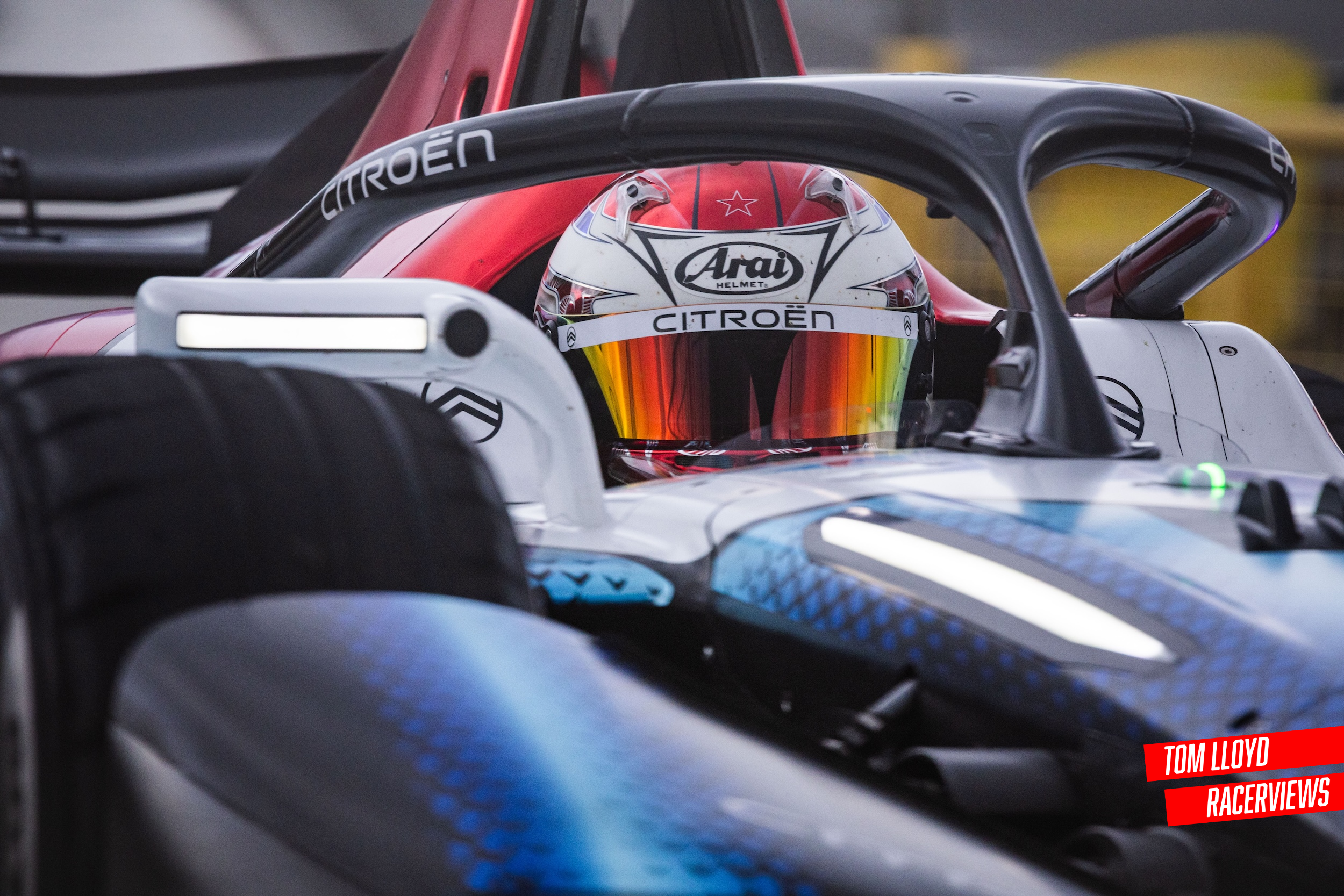
The group said it would refocus its motorsport activities and resources on customer racing and high-performance vehicle development, while ending its official motorsport activities at FIA World Championship level.
“Stellantis today announced its intention to refocus its motorsport activities and resources on customer racing and high-performance vehicle development, while concluding its official Motorsport activities at FIA World Championship level.”
— Stellantis statementstellantis
The announcement is not a complete withdrawal from racing. Lancia’s customer-focused rally activity continues, while Dodge’s newly announced NASCAR Cup Series programme remains unaffected because it is run separately by Stellantis North America.
But the scale of the retreat is clear. Peugeot’s WEC Hypercar programme has stopped immediately, Citroën and Opel will race for only one further Formula E season, and the group’s factory presence in two world championships will disappear within months.
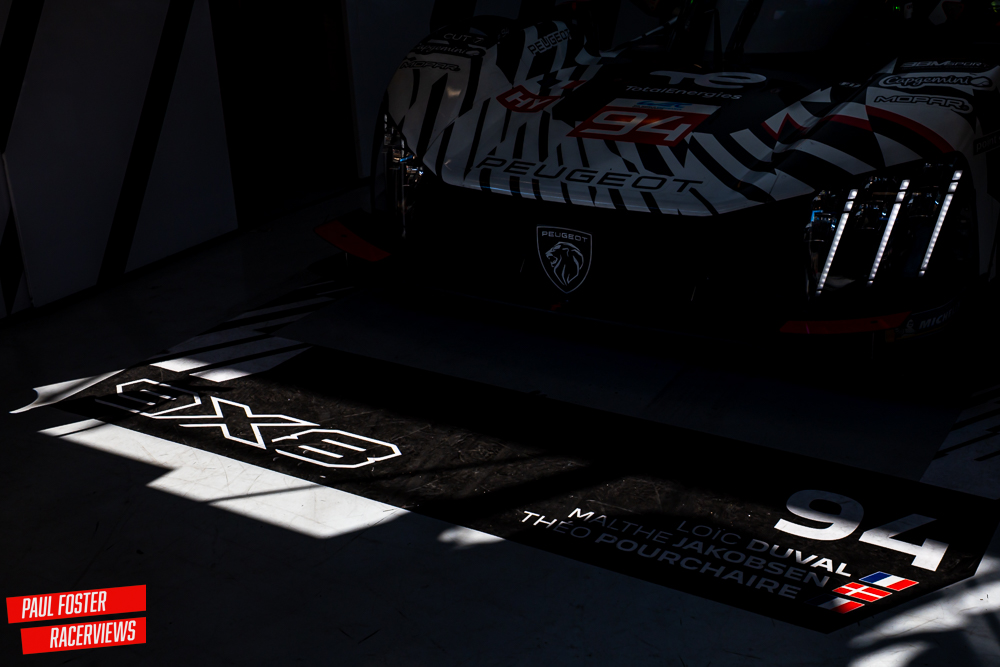
A decision shaped by strategy
Stellantis framed the move as a reallocation of resources rather than a rejection of motorsport altogether. The company said its motorsport expertise and personnel would remain important assets, but would increasingly be directed towards customer needs and the development of high-performance road cars.
Reuters reported that the decision forms part of a broader effort to concentrate resources on Stellantis’ core automotive business and the execution of its 2030 strategy. Bloomberg described the move as part of chief executive Antonio Filosa’s accelerating cost-cutting and turnaround plan.
The human cost is substantial. Motorsport.com reported that around 200 employees working directly on motorsport will either be redeployed or continue in the customer-racing and rally-car business.
For Peugeot, Citroën and Opel, however, the decision removes the highest-profile stage on which those brands could demonstrate engineering credibility. It also leaves drivers, engineers and team personnel facing an uncertain future.
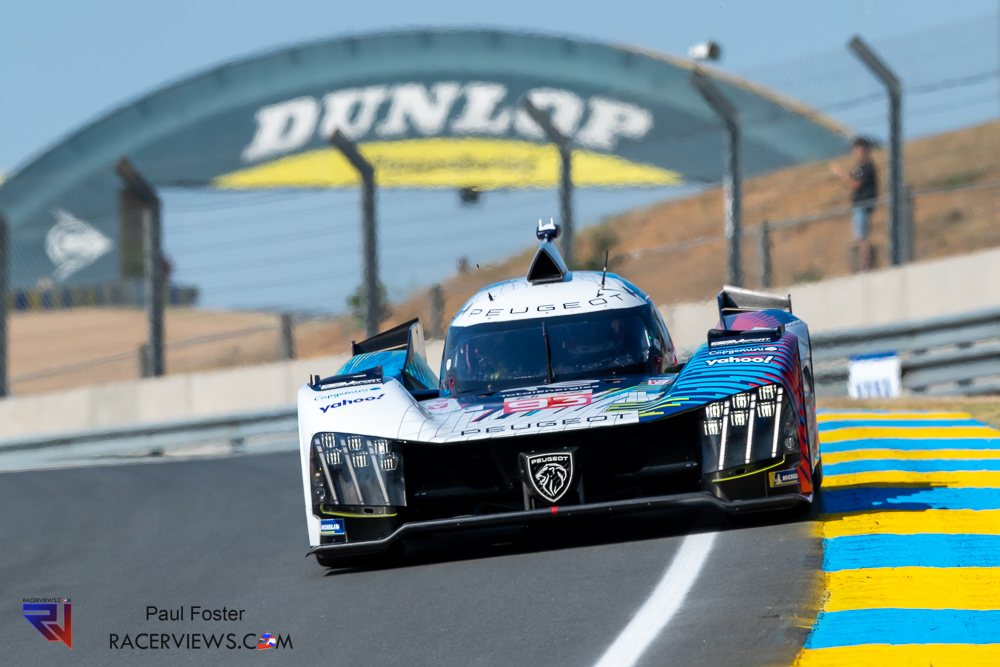
WEC: Peugeot’s Hypercar programme ends now
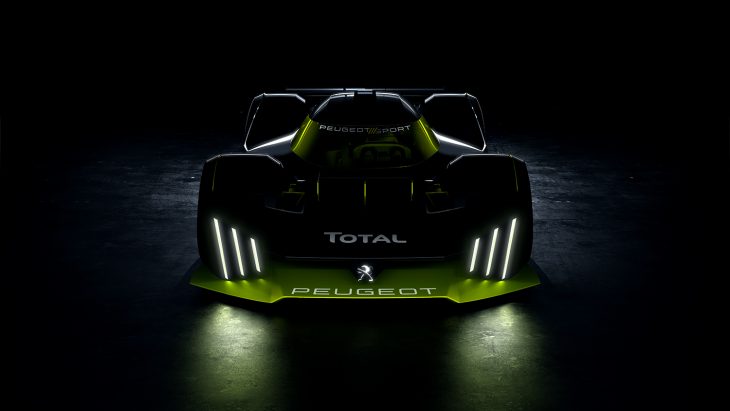
Peugeot’s departure from the FIA World Endurance Championship is immediate. The French manufacturer’s 9X8 Hypercar programme ends with the 2026 season, meaning the upgraded car it had been developing for 2027 will now go unraced.
Peugeot entered the Hypercar era with considerable ambition, but the 9X8 never converted that promise into a victory. In July, Peugeot WEC team principal Emmanuel Esnault had said the team was aiming to improve the 9X8 for 2027 and to position it consistently among the leading contenders.
That plan has now been abandoned. Peugeot will not contest the 2027 World Endurance Championship, and its Hypercar programme ends without the race win that once appeared central to its return to top-level endurance racing.
The loss is significant for the WEC. Peugeot was one of the championship’s major manufacturer names, and its exit removes a distinctive French industrial presence from the Hypercar grid. It also leaves the championship without one of its most recognisable factory-backed programmes at a time when endurance racing has been rebuilding its manufacturer base.
For the team’s drivers, engineers and partners, the announcement brings an abrupt end to a project that had been built around a long-term commitment to the World Endurance Championship.
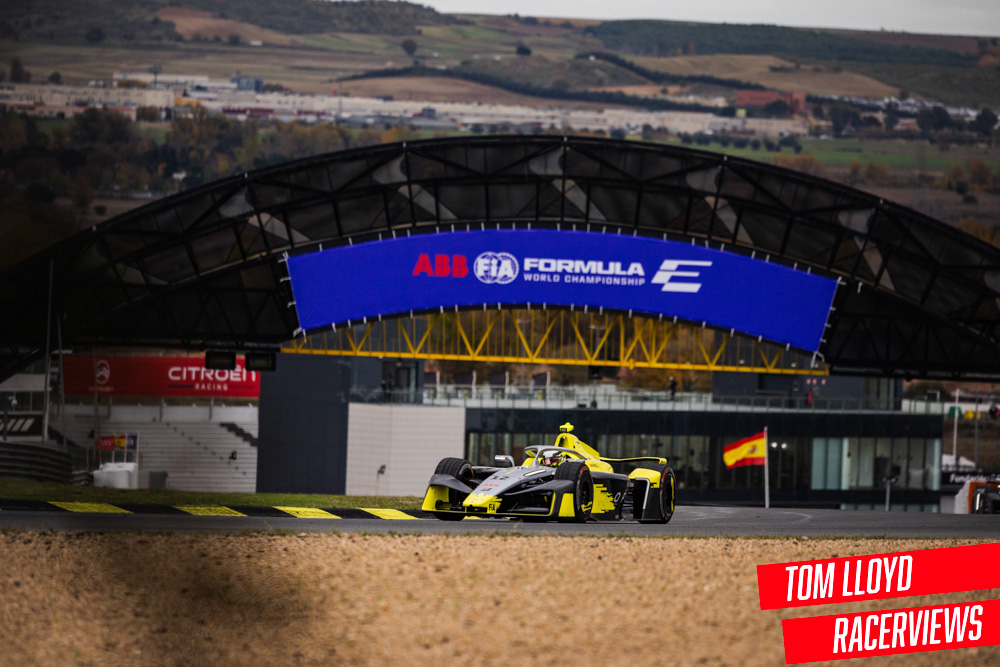
Formula E: a final season for Citroën and Opel
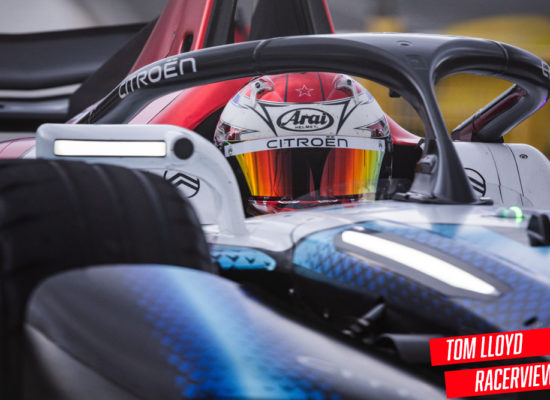
Citroën and Opel will remain in Formula E for Season 13, but only as a final chapter. Their participation will end when the 2027 season concludes in summer 2027.
That gives the two brands a final opportunity to race the GEN4 car they have developed for the new era. Citroën and Opel were among the teams involved in the private Valencia GEN4 test, and both entered the official Jarama pre-season test with new driver line-ups and a renewed competitive ambition.
The timing is particularly cruel. Formula E has just entered its GEN4 era, a technical cycle designed to deliver a major performance leap and a more compelling racing product. Citroën and Opel will now have one season to demonstrate what their cars can do before the programme ends.
Jean-Éric Vergne and Nick Cassidy will race for Citroën, while Mitch Evans and Théo Pourchaire represent Opel. Their futures beyond 2027 are now uncertain, as are those of the engineers and staff working across the two programmes.
Formula E loses two manufacturer-backed entries after Season 13, leaving the championship with a reduced industrial presence at precisely the moment it is trying to establish GEN4 as a new performance benchmark.
Rally: customer racing survives
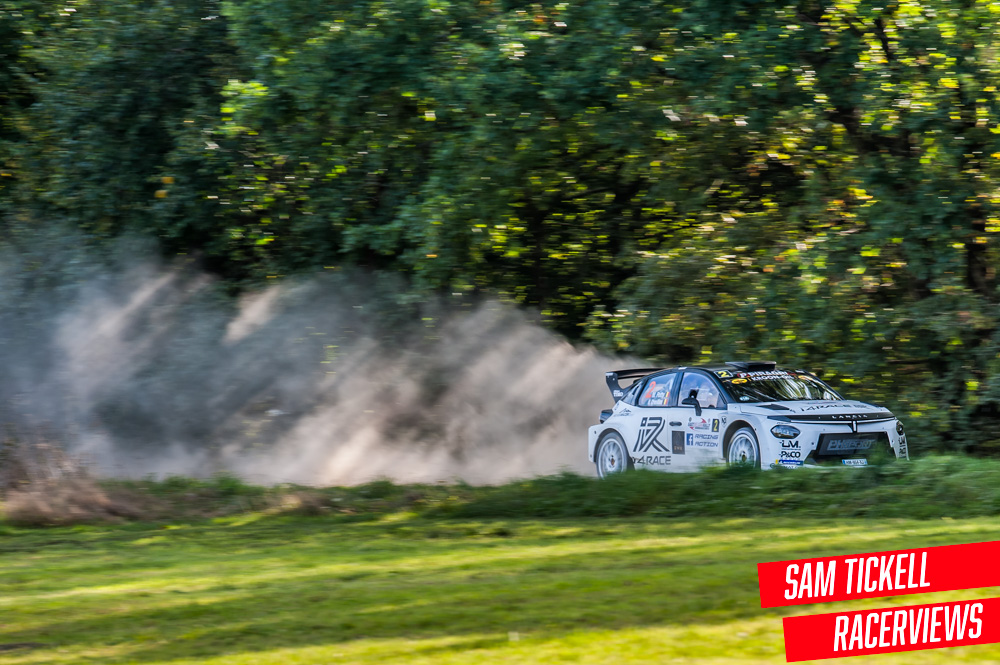
Rallying is the clearest exception to Stellantis’ retreat from top-level factory competition. The group’s Lancia customer-focused rally project will continue, alongside its wider customer-racing activity.
Lancia’s Rally2 programme is expected to continue, providing a route for private teams and customer drivers to remain involved with Stellantis machinery. The company has also continued to develop rally cars for customer competition, including its Rally4 programme.
That distinction matters. Stellantis is not abandoning motorsport entirely. It is ending its official FIA World Championship programmes while retaining a business model based on supplying cars, technical support and engineering expertise to customer teams.
For rallying, the impact is therefore less immediate than in WEC or Formula E. But the shift still signals a change in ambition. Rather than using rallying as a factory-led platform for brand promotion and technological development, Stellantis will increasingly treat it as a customer-facing commercial activity.
US racing: Dodge’s NASCAR return continues
Dodge’s return to the NASCAR Cup Series in 2027 remains unaffected by the European restructuring. Stellantis North America confirmed that there are no changes to its motorsport programmes in the United States.
Dodge announced its return to the NASCAR Cup Series after 14 years away, with Kaulig Racing set to run the programme. Because the project is operated independently by Stellantis North America, it sits outside the decision to wind down the group’s European factory motorsport operations.
That creates an unusual situation. Stellantis is ending its factory presence in two FIA world championships while simultaneously expanding its motorsport presence in the United States. The contrast reflects the different commercial and strategic logic behind the two programmes.
For NASCAR, Dodge’s return remains a major story. For Stellantis’ European motorsport staff, however, the announcement represents a far more difficult reality.
What it means for motorsport
Stellantis’ decision is more than a series of individual team announcements. It is a statement about the changing economics of manufacturer motorsport.
The group is choosing customer racing, road-car development and regional programmes over the cost and visibility of competing in FIA world championships. That approach may make commercial sense, but it removes two major names from endurance racing and Formula E at a time when both categories need manufacturer stability.
Peugeot’s immediate WEC exit is the sharpest blow. Citroën and Opel’s Formula E departure will follow after one final GEN4 season. Lancia’s rally activity and Dodge’s NASCAR programme survive, but they represent a narrower, more commercially focused vision of motorsport.
For fans, the immediate consequence is the loss of familiar teams, cars and driver line-ups. For the wider sport, it is a reminder that even major manufacturers can withdraw quickly when corporate priorities change.