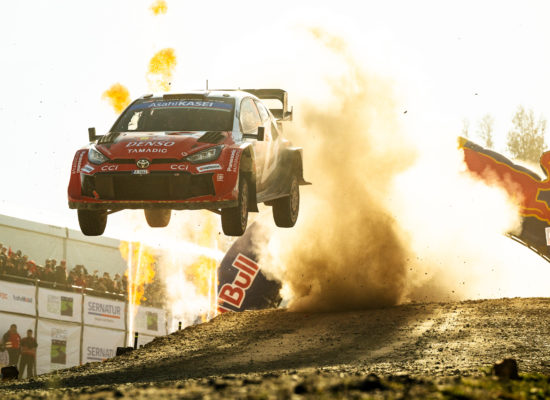
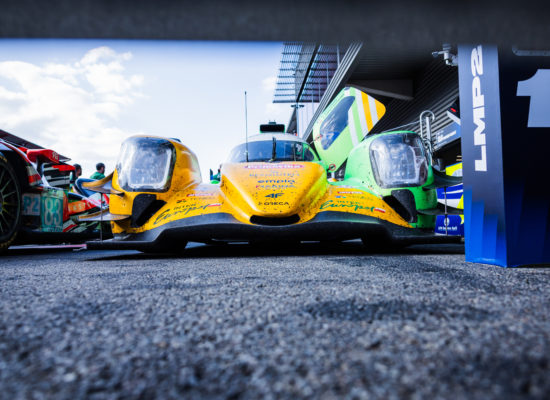
The future of top-tier sports car racing has been defined, with the FIA, ACO, and IMSA confirming unified Hypercar regulations for 2030 that will govern both the World Endurance Championship and WeatherTech SportsCar Championship.
Revealed during Friday’s annual ACO press conference at Le Mans, the announcement ends the nine-year split between LMH and LMDh platforms that began with Toyota’s 2021 GR010 Hybrid debut.
The Headline: One Platform, Two Pathways
The 2030 regulations introduce a single two-wheel-drive platform across both series, but manufacturers retain choice on how to build their cars:
“In either case, all components must comply with the same technical specifications,” the regulations confirm.
Key Technical Changes for 2030
What’s Mandatory:
Rear-wheel drive only — all front-axle hybrid systems (like Toyota’s and Ferrari’s) are eliminated
Mandatory hybrid system at the rear — can be bespoke or purchased from designated supplier
Updated FIA safety standards for chassis construction
Prescribed underfloor and diffuser design
What’s Free:
Engine architecture and displacement completely unrestricted
Power unit freedom — manufacturers keep their own engines
Distinctive design elements within common aerodynamic framework
Performance Changes:
Power increase: +20 kW compared to current Hypercars
Target power output: Approximately 520 kW (up from ~500 kW)
Smaller aerodynamic window than current regulations
No performance jokers allowed across minimum five-year homologation

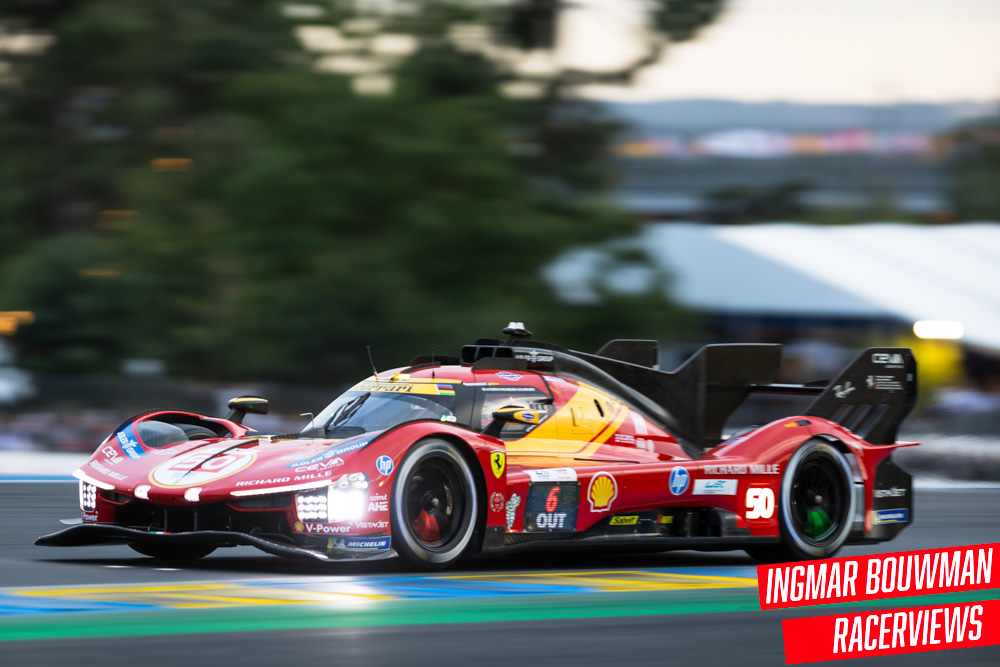
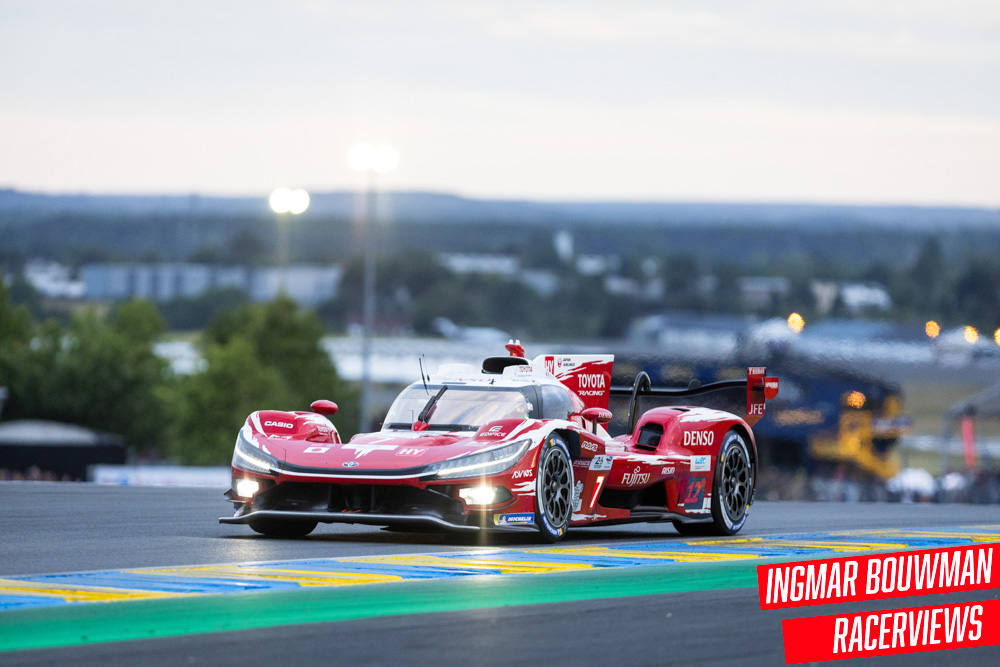
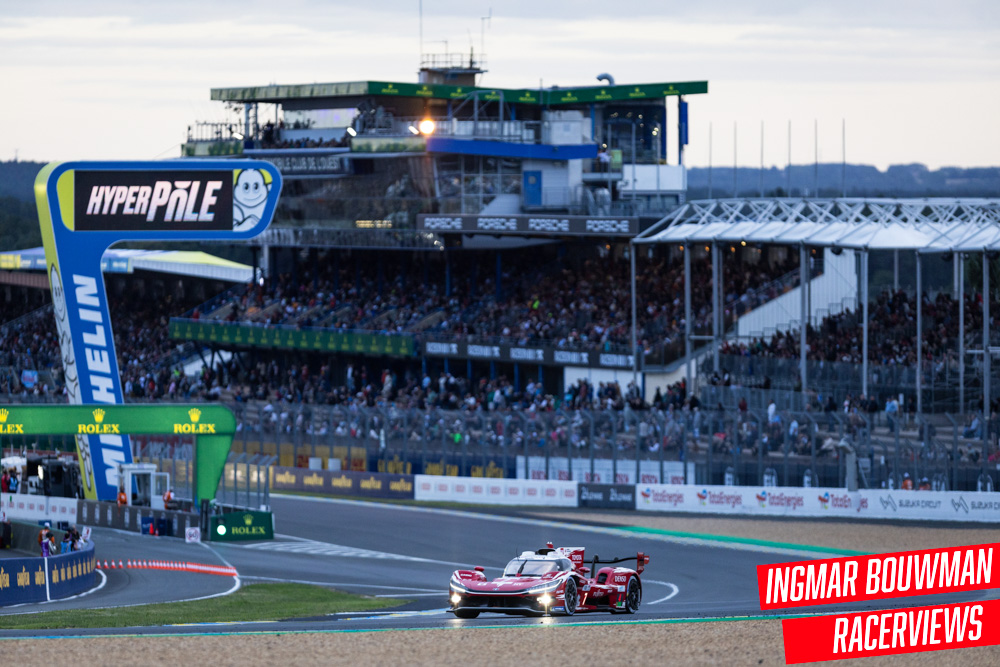
2026 Le Mans 24 Hours. Circuit de la Sarthe. Shot by Ingmar Bouwman for www.racerviews.com
What This Means for Manufacturers
Toyota’s Front-Axle Hybrid Dead: The announcement immediately resolves Toyota’s “red line” on hybrid systems. Technical director David Floury previously said a spec hybrid solution was “for sure not” acceptable, as Toyota needs front-axle hybrid development relevance for road cars.
Ferrari’s In-House Requirement: Ferrari has stated its WEC future hinges on regulations allowing manufacturers to build the entire car in-house — the bespoke pathway remains available.
Peugeot’s Battery Question: Peugeot Sport team principal Emmanuel Esnault defended their custom TotalEnergies/Saft battery as “technical showcase” but couldn’t confirm if it was a red line for 2030.
Ford & McLaren Welcome: Recent 2027 entrants Ford and McLaren gain regulatory stability through the minimum five-year homologation cycle.
Why the Changes Were Made
Championship CEO Frédéric Lequien explained the unified direction:
“Everyone wants to go in the same direction. It’s in the interest of everyone. I have no doubt that in the following weeks and months in the technical working groups, we will do the fine-tuning, but the direction is clear, everybody agrees and it makes sense”.
The regulations aim to:
Reduce budgets while maintaining manufacturer identity
Control costs to guarantee accessibility
Simplify performance balancing with narrower aero window
Maintain stability for existing and prospective manufacturers
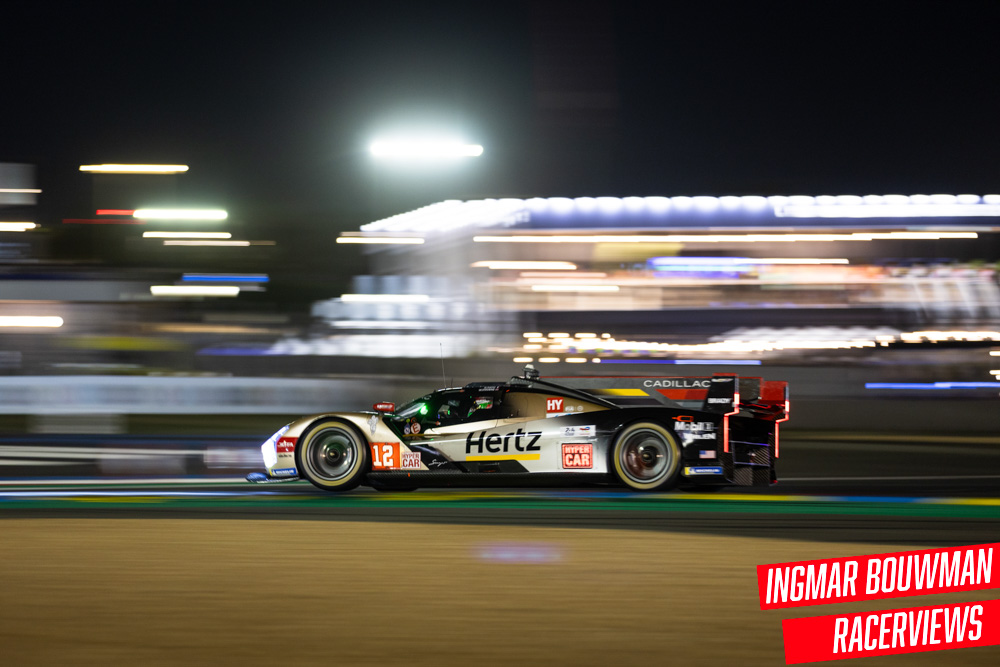
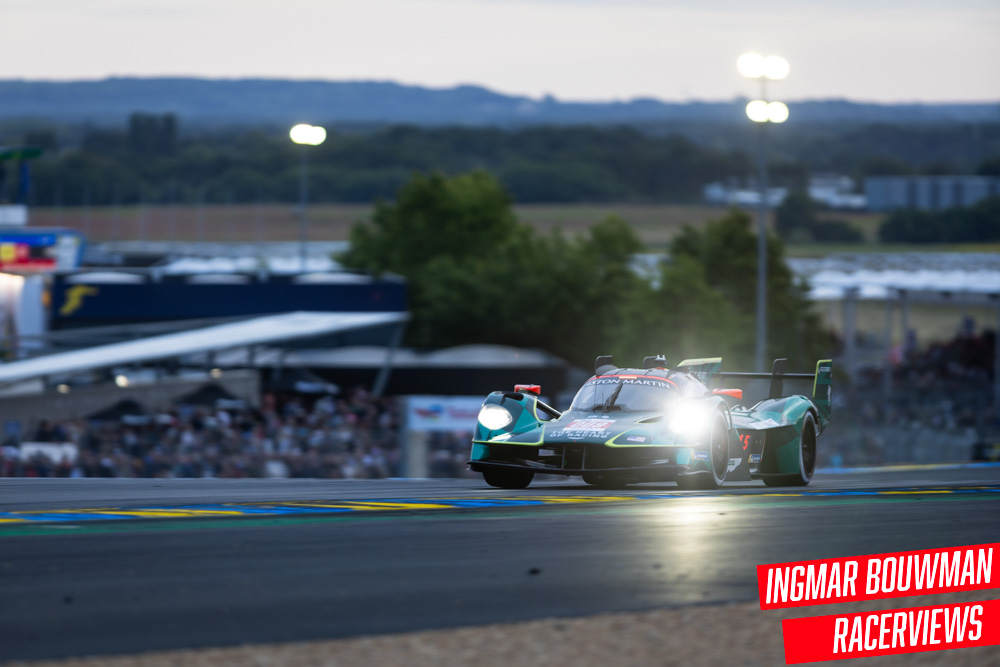
2026 Le Mans 24 Hours. Circuit de la Sarthe. Shot by Ingmar Bouwman for www.racerviews.com
Evolution Rules: Almost Frozen
No performance evolution permitted throughout the five-year homologation cycle, except for:
Reliability issues
Safety concerns
Significant performance deficit demonstration
McLaren has been pushing for an “evolution approach” to 2030 rules, but the new regulations appear to reject that philosophy.
What ends in 2030
Ends:
LMH vs LMDh platform split
Front-axle hybrid systems (Toyota, Ferrari, Peugeot)
Performance joker upgrades
Four-wheel-drive prototypes
Continues:
Manufacturer engine freedom
Visual brand identity within aero framework
Hybrid power as central technology
Five-year homologation minimum
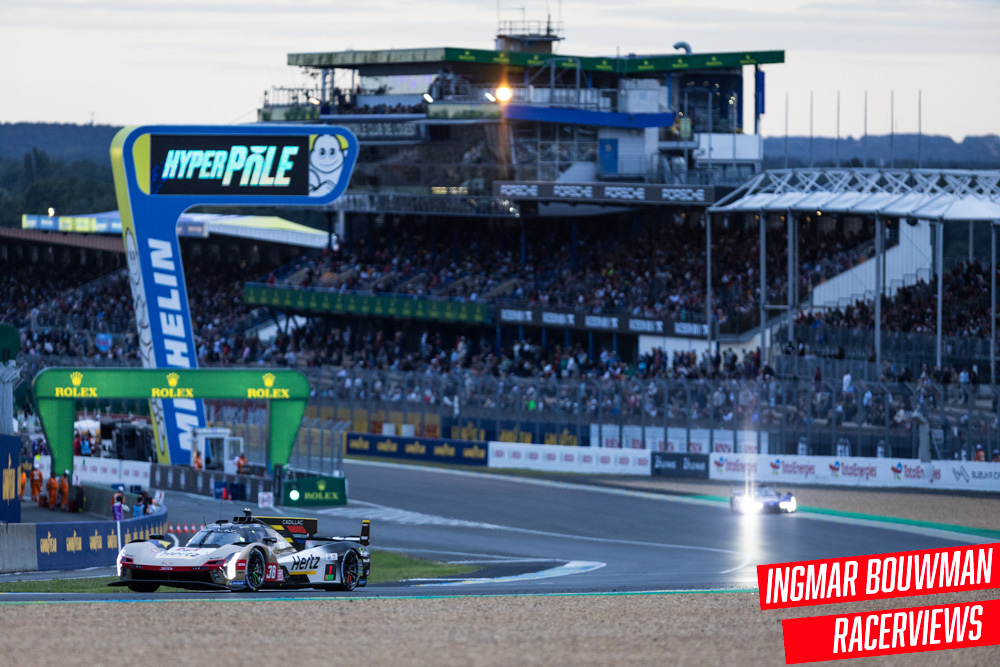
2026 Le Mans 24 Hours. Circuit de la Sarthe. Shot by Ingmar Bouwman for www.racerviews.com
Timeline: Regulations Finalized Late 2026
The initial goal was to present unified regulations at this year’s Le Mans — which they’ve done with the framework. However, progress has been slower than hoped, with technical working groups now tasked with “fine-tuning”.
“Normally, the plan is to have regulations for 2030 at the end of this year,” Toyota’s Floury noted ahead of the announcement.
Current Hypercar Manufacturers’ 2030 Status
The Bigger Picture: WEC Expansion Through 2032
While 2030 regs are confirmed, the current Hypercar ruleset extends through 2029, with manufacturers supporting further extension to 2032. This gives a three-year overlap between old and new regulations.