The Kroon-Oil Belgian Rally Championship will undergo one of its most significant structural changes in recent years in 2027, with the end of the Division 1 and Division 2 system, a compact eight-round calendar and a six-result championship that could keep the title fight alive until the final rally.
RACB Sport and BRC Promotion are presenting the changes as a simplification of the series. But the implications are broader than a revised points table. By placing all eight events within one championship, the BRC is bringing a group of classic Belgian rallies back into the centre of the national story.
At the same time, a new three-year tyre agreement with Hankook is designed to reduce costs for competitors while giving the championship a clearer technical identity.
One BRC, no divisions
From 2027, the distinction between Division 1 and Division 2 will disappear.
That change matters because Division 2 has provided an important route into the Belgian championship for teams and organisers working with more modest budgets. It has also helped preserve the place of several traditional events within the national rallying landscape.
The new structure recognises that these rallies are not secondary events. They are classic Belgian rallies, with their own histories, identities and audiences. Bringing them into one unified championship gives them equal status within the calendar and places their sporting contribution at the heart of the BRC rather than treating them as a parallel competition.
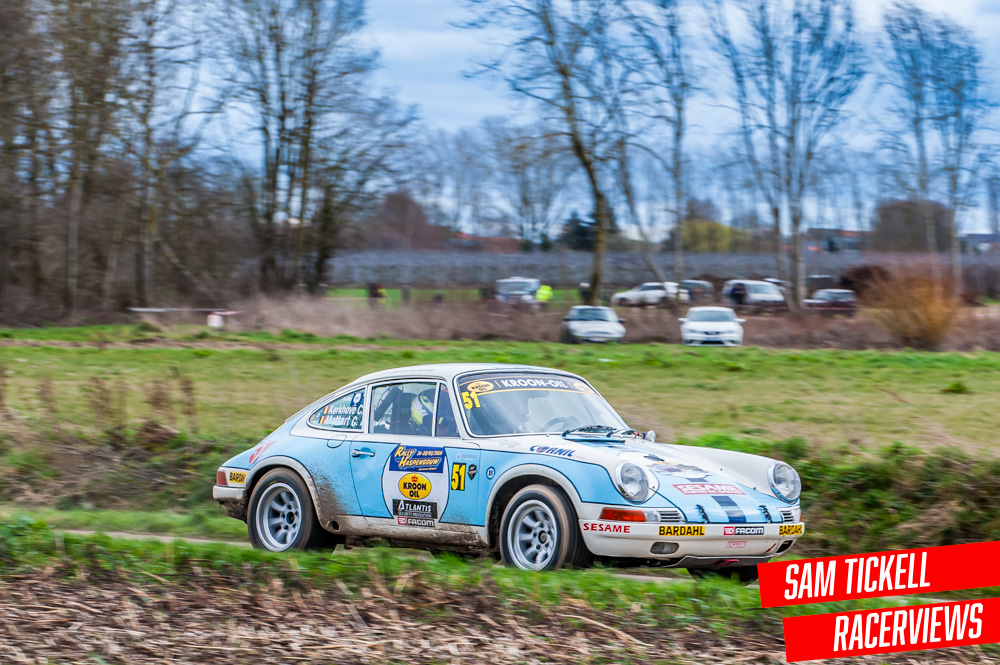
The Rally van Haspengouw, TAC Rally, Rallye de Wallonie, Sezoensrally, Ardeca Ypres Rally, A&D Omloop van Vlaanderen, East Belgian Rally and Spa Rally will all count as rounds of the same championship.
That creates a more coherent national series. Instead of asking fans and competitors to understand separate divisions, the BRC will present one calendar, one title and one competitive narrative.
It is also a statement about the value of Belgium’s rallying heritage. The strength of the championship does not come only from its most expensive cars or its most prominent international names. It comes from the variety of events that make up the season—from the fast roads of Haspengouw and Ypres to the distinctive surface challenge of the Sezoensrally and the technical character of East Belgium and Spa.
Six scores from eight rallies
The new points structure may become the defining feature of the 2027 championship.
Each driver will contest eight rounds, but only their six best results will count towards the final standings. In practical terms, every full-season competitor receives two drop scores.
That creates a valuable degree of flexibility. A driver can miss one or two events and remain in contention, while a full-season campaign does not require every result to be perfect. Mechanical failures, accidents, budget pressures and clashes with international programmes can all be absorbed more easily than under a system in which every round carries equal weight from start to finish.
But the two-drop-score format also creates a more strategically open title race.
A driver who dominates the opening rounds will not necessarily be able to build an unassailable advantage. Conversely, a competitor who starts slowly, misses a rally or suffers an early retirement can still recover with a strong second half of the season.
The result should be a championship that remains open deeper into the year. With eight rallies on the calendar but only six results counting, the title may not be decided until the final round at Spa on 27–28 November.
That possibility is central to the appeal of the new structure. The championship will not simply reward the driver who accumulates the most points from the first event onwards. It will reward the competitor who manages a season: selecting which results to count, limiting damage on difficult weekends and delivering maximum performance when the title is still available.
The final two rounds—East Belgian Rally on 25 September and Spa Rally in late November—could therefore carry unusual significance. A driver may arrive at East Belgium with one result already available as a buffer, while another may still need to convert a weaker score into a podium. The points table could remain unsettled until the last stage of the season.
That uncertainty is useful for everyone. Competitors have a reason to continue fighting, organisers retain a meaningful late-season narrative and fans have more incentive to follow the championship beyond the opening months.
Hankook makes a practical offer
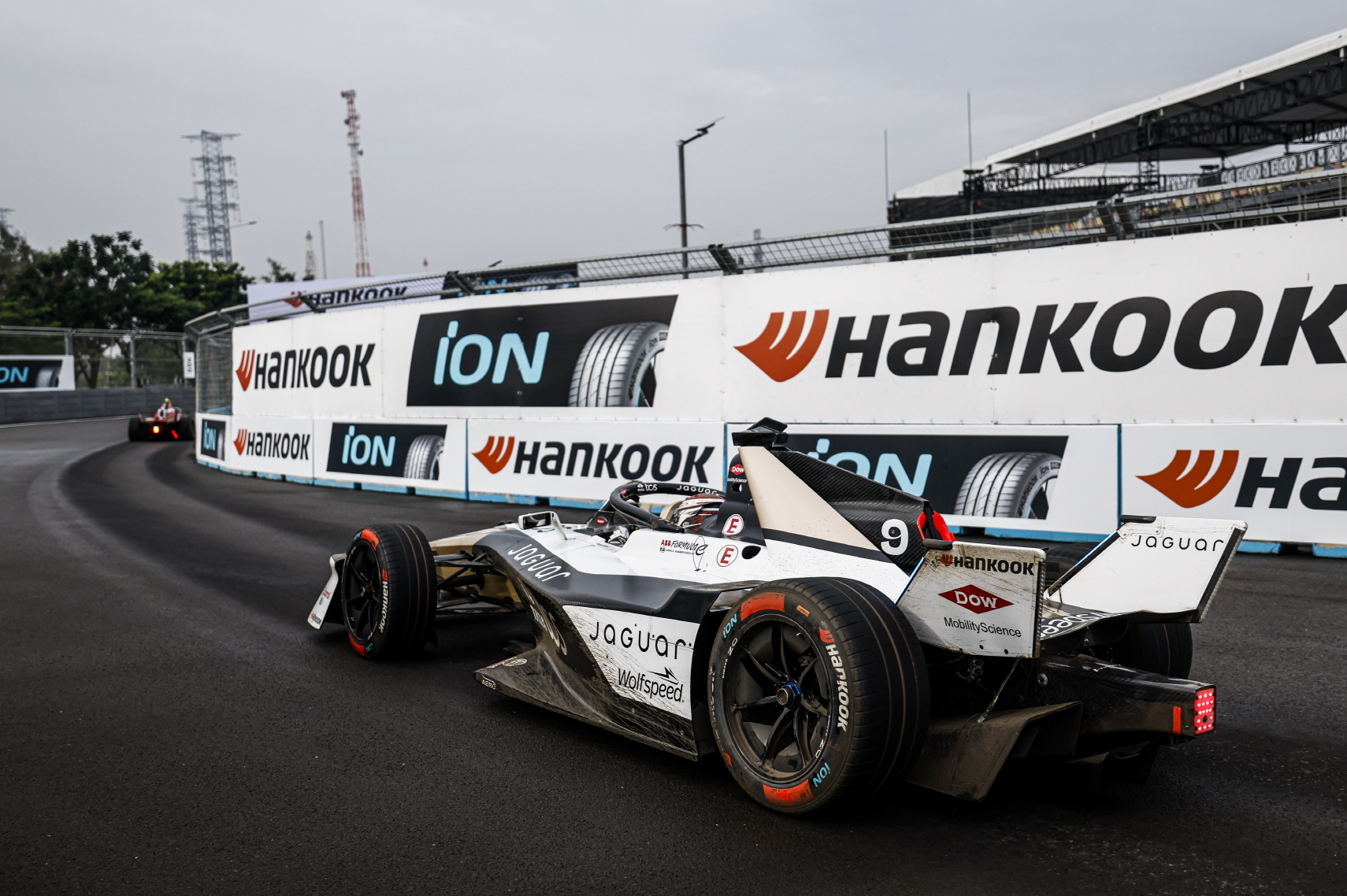
Hankook will become the official tyre partner for the RC2, RC3 and RC4 classes from 2027 through 2029.
The agreement is positioned as both a sporting and economic decision. Teams ordering their tyres at least ten days before a rally will receive a preferential price, with a Rally2 tyre costing more than €60 less than under current pricing.
For a team running a full season, that could represent a substantial saving. Even before fuel, transport, entry fees, personnel and maintenance are considered, tyres are a significant recurring cost. A reduction applied across testing and competition mileage can make a real difference to the viability of a programme.
The deal also offers a measure of logistical predictability. By encouraging teams to place orders earlier, the system should improve planning, availability and distribution during rally weekends. The discount therefore works in two directions: it rewards teams for committing in advance while giving the supplier and organisers clearer information about demand.
Hankook’s sporting credentials are also relevant. The company has been the exclusive tyre partner of the FIA World Rally Championship since 2025 and is active across several international and national series.
Its asphalt record includes victories at the Barum Czech Rally Zlín in 2024 and 2026. Dominik Stříteský won in 2024, while Adam Březík took the 2026 event, one of the FIA European Rally Championship’s most demanding asphalt rallies.
That reference point will be watched closely in Belgium. The BRC’s asphalt events can be fast, narrow, technical and changeable, with weather and road conditions often making tyre choice central to the result. Hankook’s performance will therefore influence more than the balance sheet. It could shape the competitive order across the Rally2, Rally3 and Rally4 fields.
The partnership also gives the championship a consistent technical story for the first time in several seasons. A national series needs to control costs without losing its sporting edge, and the Hankook agreement is designed to address both concerns.
A calendar of Belgian character
The revised calendar retains eight established events:
| Round | Date | Rally |
|---|---|---|
| 1 | 27 February | Rally van Haspengouw |
| 2 | 10 April | TAC Rally |
| 3 | 24–25 April | Rallye de Wallonie |
| 4 | 22 May | Sezoensrally |
| 5 | 25–26 June | Ardeca Ypres Rally |
| 6 | 3–4 September | A&D Omloop van Vlaanderen |
| 7 | 25 September | East Belgian Rally |
| 8 | 27–28 November | Spa Rally |
There is a deliberate sense of continuity in the list. These are not newly created venues assembled around a marketing concept. They are classic Belgian rallies, each bringing its own roads, communities, traditions and competitive demands.
That matters particularly after the end of Division 2. The new format does not simply remove a distinction from the regulations; it changes the way the events are valued. The calendar becomes a collection of equal championship opportunities rather than a hierarchy of primary and secondary fixtures.
For teams, that could strengthen the commercial proposition of events that have sometimes operated outside the main title narrative. For fans, it offers a simpler way to understand the season. Every rally matters, even if not every result ultimately counts.
More coverage, broader audience
The BRC also intends to build a wider media platform around the new structure.
VRT and RTBF will continue to produce coverage for a broad audience, focusing on the overall battle and the leading names. BRC Promotion will complement that with a 26-minute programme from every round, bringing regular attention to the classes, junior competitors, amateur crews and supporting classifications.
Those programmes are due to be distributed through Sport10, Ziggo Sport and Motorvision TV, extending the championship’s television reach beyond Belgium.
Live coverage will remain available through digital and television platforms, while official channels and specialist rally media will continue to provide news, interviews, photography, analysis and competitor stories before, during and after each event.
That wider approach fits the new championship structure. If the BRC is one national series rather than two divisions, its media coverage must also show the depth of the field. The overall winner remains important, but so too are the crews building careers, fighting for class victories or bringing local support to the championship.
A championship with a longer horizon
The 2027 changes are designed to make the BRC more accessible, but their most interesting consequence may be competitive rather than administrative.
The end of Division 2 gives the classic Belgian rallies a stronger collective identity. The Hankook agreement addresses one of the most immediate cost pressures facing teams. And the six-from-eight points system could ensure that the championship remains genuinely alive until Spa.
That combination gives the new season a clear narrative. It is a championship that wants to be simpler without becoming smaller, more affordable without losing technical ambition and more open without sacrificing sporting value.
The key question will be whether the formula delivers the intended balance. If it does, the 2027 BRC should offer a more flexible season for competitors and a more compelling story for fans: eight classic Belgian rallies, six results that count and two opportunities to survive the moments that would otherwise end a title challenge.
The championship may begin in Haspengouw. But under the new rules, it could remain undecided until Spa.