
Stellantis turns away from world championships and towards performance road cars
Stellantis has ended its factory presence in the FIA World Endurance Championship and will leave Formula E after the 2027 season. But the company is not abandoning performance. Instead, it is redirecting motorsport expertise towards road cars, customer racing and a narrower set of high-profile projects.
The decision is framed around the group’s FaSTLane 2030 plan, which prioritises new products, improved quality, broader market coverage and faster development cycles. Stellantis says it wants to reduce vehicle development times to as little as 24 months, making engineering resources and capital increasingly valuable across its core automotive business.
Motorsport will remain part of that plan, but not in the form that has defined the company’s recent years. Rather than funding factory campaigns in global championships, Stellantis will use its racing knowledge to support performance road cars, customer-racing programmes and selected regional projects.
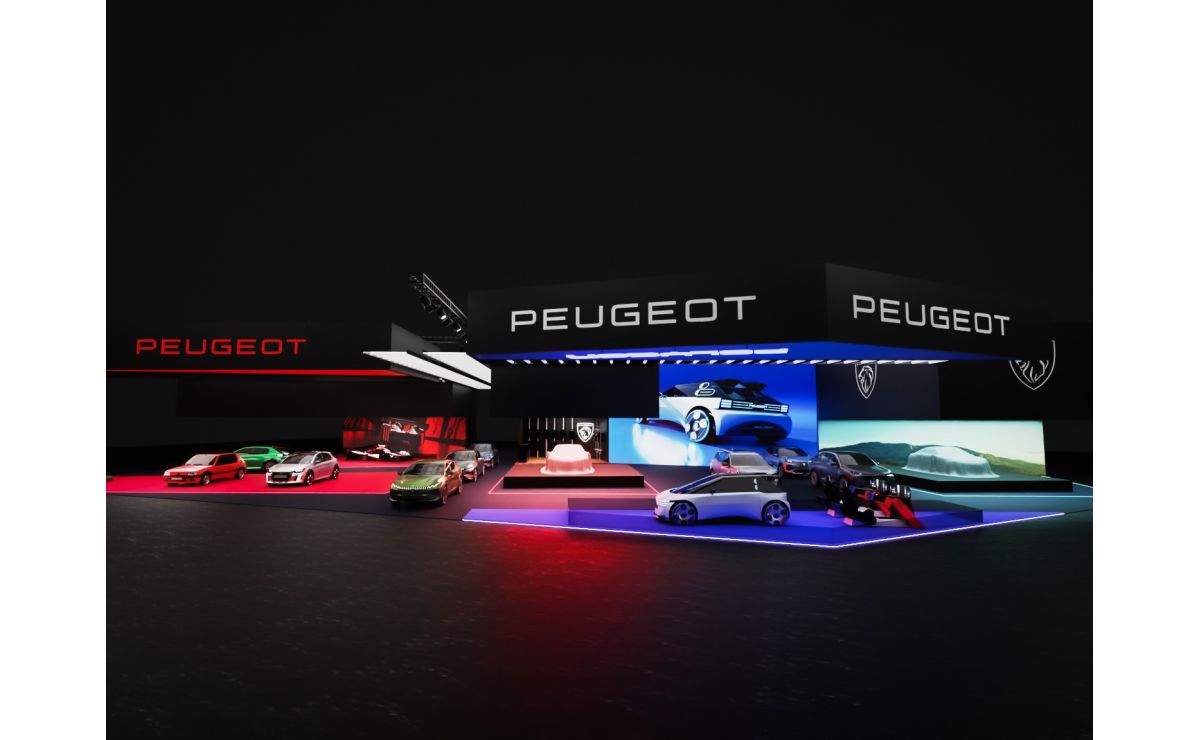
A new role for motorsport
Stellantis described motorsport as more than a showcase, calling it an innovation laboratory in which new ideas can be developed and tested. The company says its motorsport expertise and resources will remain key assets, but they will now be dedicated primarily to customer needs and high-performance vehicle development.
That is a significant shift. Motorsport will no longer be primarily a global brand-building exercise. It will become an internal engineering function, supporting product development and customer-facing racing programmes.
The company has also indicated that staff affected by the end of its FIA World Championship activities will be retained or redeployed. They are expected to move into customer racing, high-performance vehicle development and other activities connected to FaSTLane 2030.
That suggests Stellantis sees value in the people and knowledge built through WEC and Formula E, even if it no longer sees value in competing directly in those championships.
Alfa Romeo and Maserati lead the way
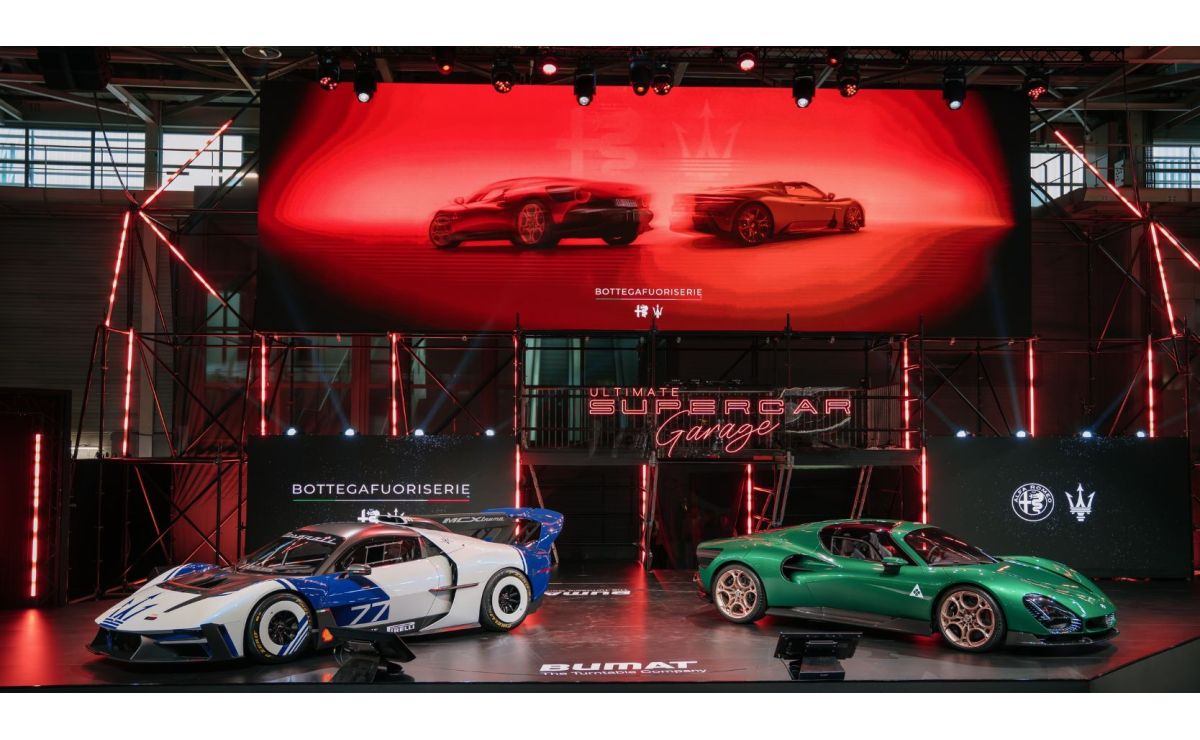
The clearest beneficiaries are Alfa Romeo and Maserati. Stellantis says its motorsport operation will continue to contribute directly to the development of exclusive high-performance models for both brands.
Neither brand has announced a specific new model as part of the announcement. However, the language is important. Stellantis is not simply referring to faster versions of existing cars. It is referring to “exclusive high-performance models”, suggesting that Alfa Romeo and Maserati may remain central to the group’s ambitions in the premium performance market.
For Alfa Romeo, that points towards a continued emphasis on the Veloce performance line. For Maserati, it reinforces the brand’s need to maintain a credible high-performance identity within the luxury market.
The key question is whether these projects will produce limited-run halo cars or a broader range of performance models. Stellantis has not confirmed either. What is clear is that motorsport-derived engineering will remain part of the group’s product-development toolkit.
Performance badges across the group
Stellantis has also confirmed that its motorsport resources will support sporting variants across several brands. The company specifically identifies Alfa Romeo Veloce, Peugeot GTi, Lancia HF and Opel GSE.
These badges matter because they connect motorsport credibility to accessible performance cars. A Peugeot GTi, Lancia HF or Opel GSE does not need to be a track-only special to benefit from racing-derived engineering.
The strategy appears to be less about a small number of ultra-expensive halo cars and more about embedding performance across the wider product range. It gives Stellantis a way to preserve engineering expertise while reducing the cost of competing directly in world championships.
It also creates a clearer commercial logic. A performance road car can generate sales across multiple markets. A WEC Hypercar programme or Formula E entry can build brand awareness, but it requires substantial ongoing investment and delivers no direct product revenue.
Rally remains the exception
Rallying is the clearest exception to Stellantis’ retreat from top-level factory competition. The group’s Lancia customer-focused rally project will continue, alongside its wider customer-racing activity.
Lancia’s Ypsilon Rally2 HF Integrale remains part of the company’s plans. The car was developed for customer competition and was unveiled commercially in late 2025, with customer orders opened ahead of Lancia’s planned WRC2 campaign.
The Trofeo Lancia also remains part of the plan. Built around the Ypsilon Rally4 HF, it is designed to give customer drivers a route into the European Rally Championship and Italian Rally Championship. Lancia has positioned the programme as a technological laboratory, with innovations intended to transfer into production cars such as the Ypsilon HF.
Peugeot’s entry-level 208 rally cars are also expected to remain part of the customer-racing offer. That indicates Stellantis sees rallying as a commercially viable space where it can supply cars, support private teams and maintain a motorsport presence without carrying the cost of a factory WEC or Formula E programme.
Special cars may still come
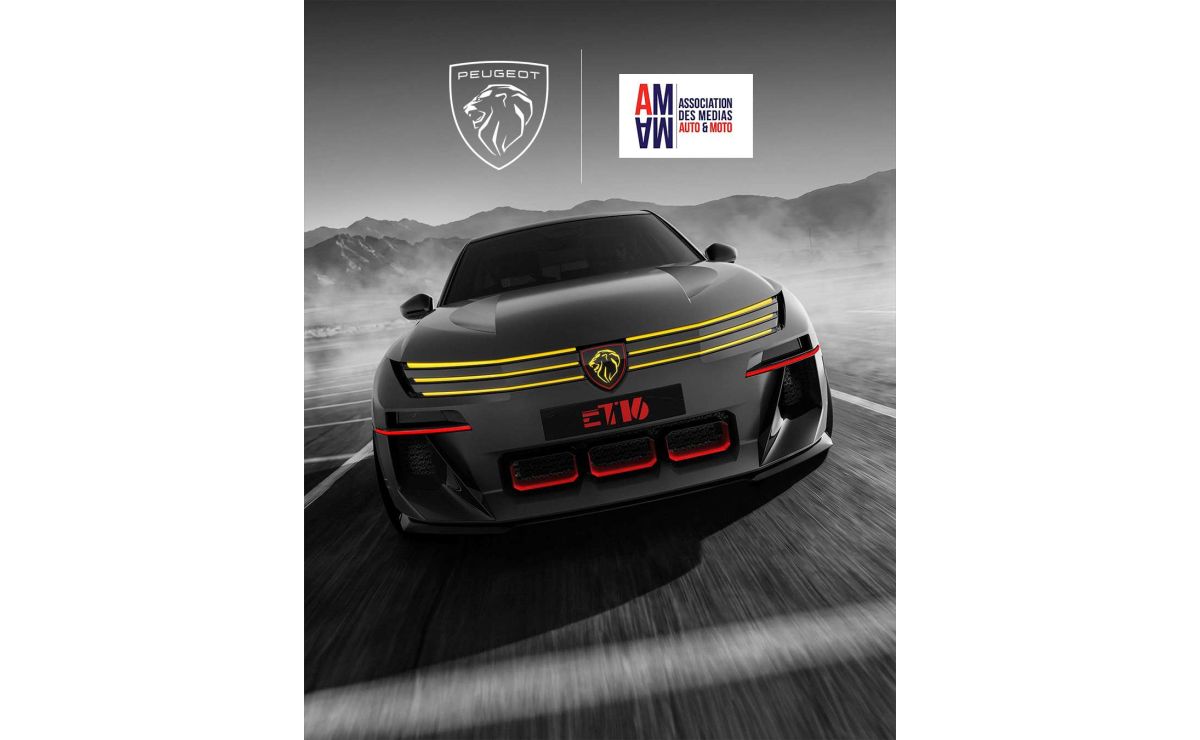
There will still be special cars, but they are likely to emerge through customer racing and limited-performance programmes rather than through WEC or Formula E.
Lancia is the most obvious candidate. The Ypsilon Rally2 HF Integrale gives the brand a modern performance product with direct links to its rallying heritage. The Trofeo Lancia then creates a customer pathway around the Ypsilon Rally4 HF, while also feeding technology and ideas into road-going models such as the Ypsilon HF.
Alfa Romeo and Maserati may also be the brands most likely to produce exclusive performance cars. Stellantis has specifically said that motorsport will contribute to high-performance models for both marques, although it has not revealed what those cars will be.
The most realistic expectation is a mix of limited-run performance models, sporting derivatives and customer-racing products. That is a very different approach from the broad factory motorsport presence Stellantis has maintained in recent years.
A narrower but more focused plan
Stellantis is not ending its relationship with motorsport. It is changing what motorsport is expected to do.
The company is moving away from factory-led world championship programmes and towards a model built around customer racing, performance road cars and commercially focused projects. Lancia’s rally activity and Dodge’s NASCAR programme survive, while Alfa Romeo and Maserati remain central to the group’s high-performance ambitions
For motorsport fans, the immediate consequence is the loss of familiar teams, cars and driver line-ups. For Stellantis, the decision represents an attempt to preserve engineering capability while reducing cost and focusing investment on products that can generate a return.
The question now is whether that strategy produces the performance cars and customer-racing programmes needed to keep the group visible in motorsport. Stellantis has chosen a narrower path. Whether it proves more sustainable than the factory-racing era it is ending will become clear over the next few year