LMP2: patience and pressure
LMP2 at Sebring was less about outright invention and more about a kind of studied austerity – spending track position only where it could be repaid with interest. United Autosports’ class‑winning Oreca built its race not on spectacular moves but on an unshowy commitment to staying inside the same, conservative fuel and tyre windows lap after lap.
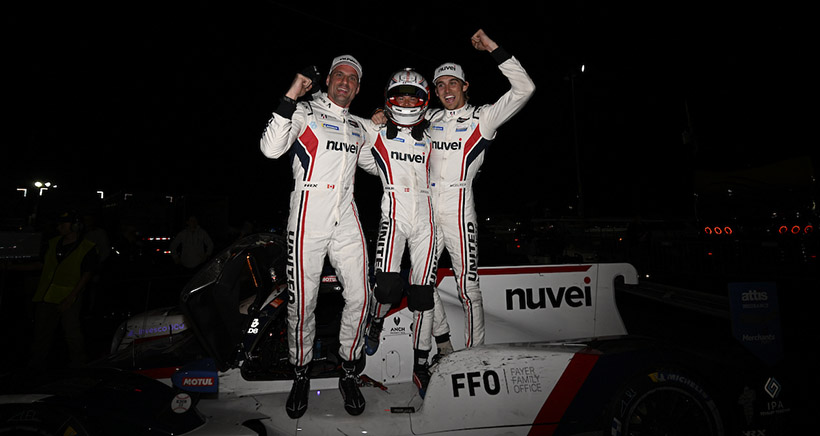
The early hours were a tangle of lead changes and side‑by‑side experiments into Turn 7, but United’s engineers resisted the urge to react to every rival stop. Instead, they aimed to keep their car on a stable sequence that always left them one caution away from a cheap stop, which proved decisive once the middle‑stint full‑course yellows arrived and rival crews were forced into awkward short fills and mixed‑age tyre sets.
As the race developed, the team’s traffic management became its most effective weapon. LMP2 at Sebring often lives in a tactical no‑man’s‑land – quick enough to catch GTP cars emerging from the pits, slow enough to be constantly freight‑trained by them – and United chose to treat each encounter with the prototypes as an opportunity to anchor their lap time, lifting slightly earlier into Tower to guarantee the exit, then surfing the GTP slipstream down Ulmann without disturbing the fuel number.
The sting in the tail came in the final two hours, when the class condensed after a late caution and several rivals threw the dice on aggressive short fills to gain track position. United stayed with its longer‑run thinking, knowing that a clear last stint on evenly matched tyres would give their driver a wider margin of error in traffic than a bolder but brittle track‑position play; when the yellows fell kindly, they were simply the only car left with both a strong tyre set and a clean fuel run to the flag.
GTD Pro: timing the punch
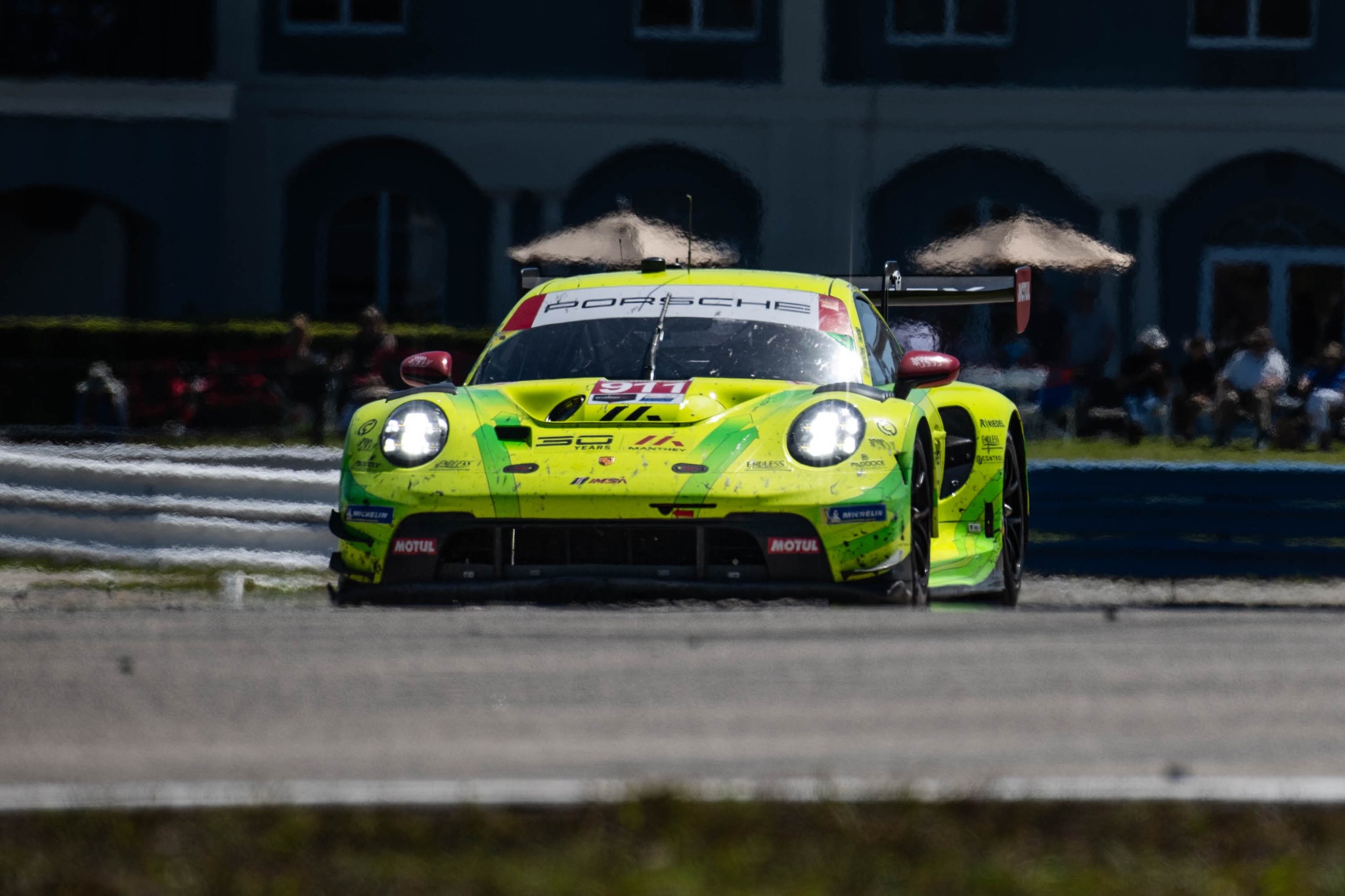
If GTP’s victory was an exercise in gradual accumulation, GTD Pro was its extrovert cousin – still carefully controlled, but with sharper elbows and a brighter palette. Manthey’s first IMSA class win with the “Grello” 911 GT3 R was built on a simple premise: qualify near the front, then turn that track position into strategic authority by dictating the timing of every major decision.newsroom.
The Porsche was allowed to be aggressive early, taking the lead before the end of the first hour, but underneath the flamboyance the instructions were almost prosaic: protect the rear tyres, stay out of the GTP battles in the braking zones, and never stray more than a lap either side of the preferred pit window. That discipline meant that when the first long green‑flag stretch arrived, Manthey could happily double‑stint tyres without sacrificing lap time, while rivals who had leaned harder on their rubber in traffic were already trimming their expectations.
The decisive phase came after sunset. With AO Racing’s sister Porsche emerging as the principal threat, Manthey split risk between drivers and maps – allowing Thomas Preining to run an assertive fuel number in clear air while keeping the option open to short‑fill later if a caution appeared. When it did, and a late retirement for Manthey’s own GTD entry compressed the field, the No. 911 found itself with the rare luxury of strong tyres, good fuel and track position simultaneously.
Preining’s final stint was framed as a defensive drive but executed as a controlled expansion of the gap, built on a series of fast out‑laps after lapped‑car traffic rather than on one single, headline‑grabbing push. By the final restart, AO’s No. 77 had only one realistic play – burn fuel, accept higher tyre degradation and hope to unsettle the leader – but Manthey’s refusal to respond in kind left the race to be decided on the exit of Sebring’s key corners, where the Porsche’s traction and preserved rubber did the talking.
GTD: living off small margins
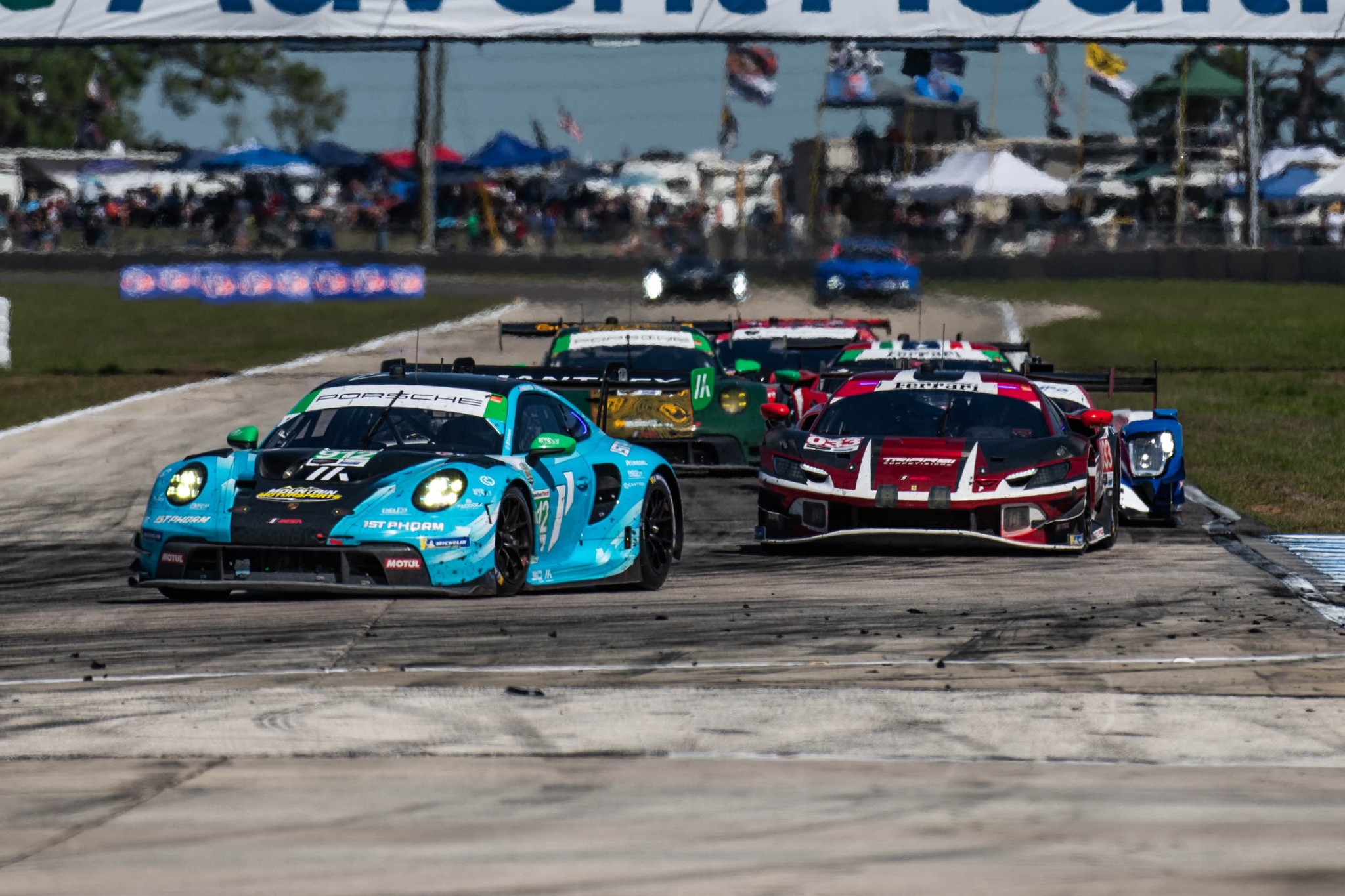
In GTD, the narrative condensed into a single, audacious last‑lap move, but the groundwork had been laid hours earlier. The eventual class‑winning Ferrari spent much of the race in that awkward middle ground – quick enough to hint at contention, rarely quite in the right place in the pit cycle to dictate terms – and its route to victory came from leaning into that ambiguity rather than fighting it.racer+2
Where others tried to cling to track position, the Ferrari crew were willing to sacrifice the odd place in the order for the sake of resetting onto a cleaner stint pattern. That meant early driver changes, occasional short fills to escape congested GT trains, and a willingness to sit just outside the obvious risk zones when GTP and LMP2 traffic converged. The result was a car that, while not the most visible for much of the afternoon, arrived in the final hour with comparatively tidy bodywork, decent tyres and a set of laps in hand mentally, if not on the scoreboard.theedje.blogspot+1
The closing sequence – a series of penalties overcome, a late full‑course yellow that reset the margins, then the decisive pressure on the leading Aston Martin – was as much about psychology as mechanics. Antonio Fuoco’s task was not to launch recklessly at the Heart of Racing Vantage, but to compress the leading pair’s pace into a narrow band that offered no escape from traffic and no room to manage the rear tyres. When the Aston finally blinked, a small error through Turns 11 and 12 created a sliver of opportunity that had been manufactured, rather than merely spotted.theedje.blogspot+1
That the win came after three drive‑through penalties underlines the class’s tactical character. GTD crews know that at Sebring, perfection is illusory; what matters is the capacity to treat each setback as an invitation to re‑optimise the plan, and the Ferrari’s late surge – from sixth to first in the final laps – was perhaps the clearest expression of that mindset anywhere in the field.racing.porsche+2