Rising Through the Ranks of WorldWCR
In a paddock defined by speed, precision, and relentless competition, new stories are constantly emerging—stories that capture not just results, but resilience, ambition, and the future of the sport. Over the course of this race weekend at TT Circuit Assen, one such story demands attention: that of Chloe Jones.
Chloe Jones is a British motorcycle racer competing in the FIM Women’s Circuit Racing World Championship, where she has quickly established herself as an emerging talent on the international stage. Born and raised in the United Kingdom, Jones developed an early passion for motorsport, growing up around racing culture and gradually turning a childhood interest into a competitive career.
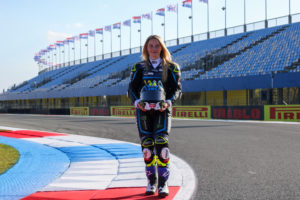
We sat down with Chloe Jones to talk about the future, her ambitions within the FIM Women’s Circuit Racing World Championship, and not only what it will take to turn early promise into sustained success on the world stage but how she envisions the championship becoming a sports global profile.
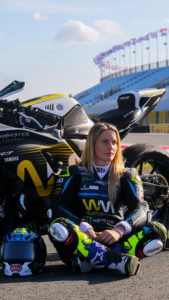
What are your future ambitions and visions within the FIM Women’s Circuit Racing World Championship?
“My future ambitions within the FIM Women’s Circuit Racing World Championship is to establish myself as a consistently competitive rider at the highest level while contributing to the growth and visibility of women in motorcycle racing. My short term goal is to focus on developing my racecraft, improving consistency, and achieving strong finishes that demonstrate my capability to compete with the best in the field.”
“Looking further ahead, my goal is to ultimately fight for the championship title. Beyond personal results, I want to be part of the wider progression of the championship by inspiring the next generation of female riders and helping to elevate the sport’s global profile.”
Where do you hope women’s motorcycle racing will be in the next decade, and what needs to happen to make that vision a reality?
“Over the next decade, I hope women’s motorcycle racing particularly championships like the FIM Women’s Circuit Racing World Championship becomes fully established as a respected, competitive, and commercially sustainable part of global motorsport. Ideally, it won’t be seen as a “separate” category in terms of credibility, but as a high performance platform that produces elite athletes capable of progressing into mixed championships like the main Superbike class. To make that a reality it’s very hard. To make that vision a reality, several things need to happen. There has to be sustained investment from manufacturers, sponsors, and governing bodies. Another big thing is accessibility at grassroots level, like mini bikes is so crucial!. We/they need more opportunities and funding support to help them grow.”
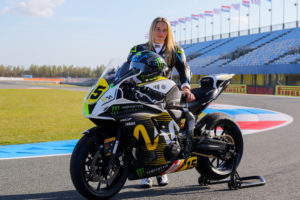
How do you see the FIM Women’s Circuit Racing World Championship influencing the future of motorcycle racing, and what changes do you believe it is already starting to bring to the sport?
“The WorldWCR has the potential to be a real catalyst for change in motorcycle racing, both in how talent is developed and how the sport is perceived globally. Looking to the future, I see it becoming a key part of the rider development pathway. By giving female riders a structured, high level platform, it creates a space where talent can be properly identified, nurtured, and showcased.”
“Ultimately, its long-term influence will be measured by integration when it’s no longer unusual to see women competing and succeeding at every level of motorcycle racing. The championship is an important step toward that, and it’s already beginning to shift both the structure and the mindset of the sport in that direction.”
Jones has quickly become a name to watch. Her riding style is composed yet assertive, marked by strong corner entry and a growing confidence in race battles. Where some riders rely purely on aggression, Jones brings a measured approach—one that allows her to adapt, learn, and improve with each session. It’s a trait that has not gone unnoticed, particularly in a championship where margins are tight and progression is hard-earned.
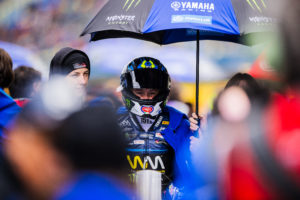
Looking ahead, Jones envisions a landscape where women’s racing is not defined by separation, but by integration and progression. Championships like WorldWCR, she suggests, are a crucial foundation—but not the final structure.
For that future to be realised, she believes continuity is key: clear pathways into higher categories, sustained investment in rider development, and continued visibility at every level of the sport. Only then can the current momentum translate into lasting change.
As part of the groundbreaking FIM Women’s Circuit Racing World Championship, Jones represents a new era in motorcycle racing—one where opportunity, visibility, and competition for female riders are rapidly expanding. But beyond the significance of the championship itself, her journey is defined by something more personal: a steady, determined climb through the ranks, built on performance and persistence.
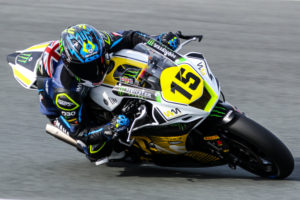
What makes her rise particularly compelling is the context. The WorldWCR grid is not just competitive—it’s symbolic of a wider shift within motorsport. As more pathways open for female riders, the spotlight inevitably follows those who can translate opportunity into performance. Jones is doing exactly that.
Throughout this weekend, her presence adds another layer to the narrative unfolding at Assen. While the headline battles may dominate the timing screens, stories like hers build the foundation for the sport’s future. Every lap, every position gained, and every improvement in pace contributes to something bigger than a single result.

This spotlight isn’t just about where she is now—it’s about where she’s going.
As we move through the 2026 season, all eyes will be on how Chloe Jones builds on her momentum. Because in a championship designed to elevate talent, she is already proving she belongs on the world stage.
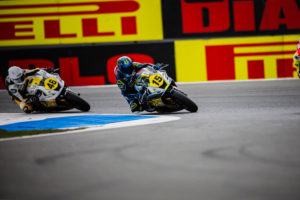
All images supplied by
Senna Herweijer – lucassenna_photography & Tom Lloyd – lxco.photo