Saturday at the Monaco Historic Grand Prix doesn’t ease you in. It arrives with purpose.
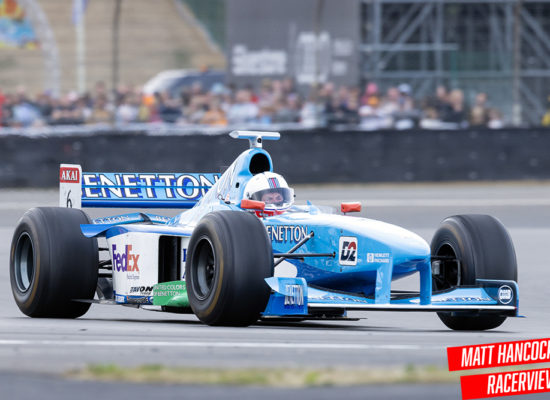
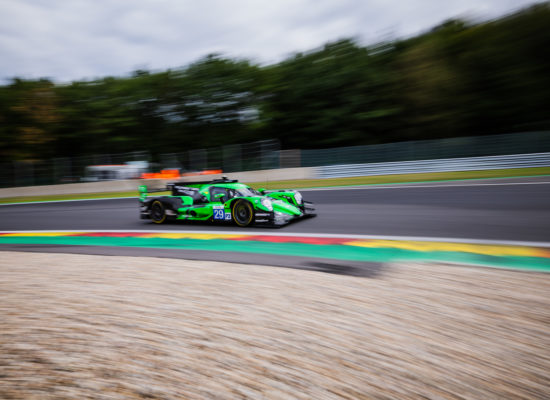
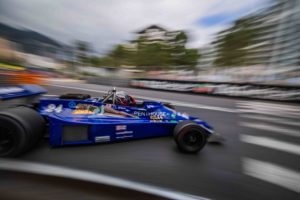
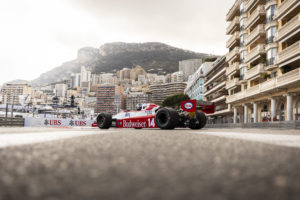
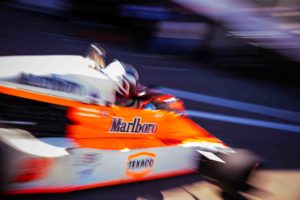
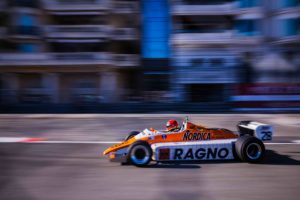
The day unfolded not just in laps and lap times, but in moments—fleeting, vivid, and best captured through the lens. This post brings together a collection of images taken throughout the event, each one offering a window into the atmosphere that defined it.
By morning, the stillness of Friday is gone. The grandstands are fuller, conversations sharper, footsteps quicker. There’s a shift in tone you can feel before the first car even leaves the paddock. Practice is over. Now, every lap counts.
Qualifying begins, and suddenly the circuit feels narrower.
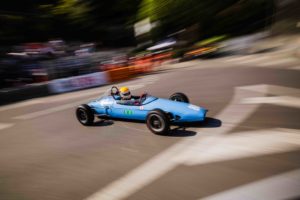
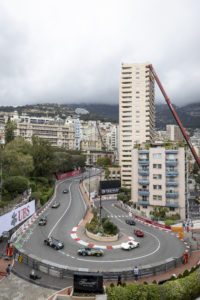
The early sessions—those same pre-war machines and front-engined cars—return to the track, but they are different now. Yesterday they explored. Today they commit. Drivers brake later into Sainte-Dévote, carry more speed through Massenet, flirt with the barriers at the Swimming Pool. The cars still move, still slide, but now it’s deliberate.
Time matters.
You can see it in the body language. A driver climbs out, removes his goggles, and asks one question: “Where am I?” Not on the track—on the timesheet. Mechanics lean in closer. Adjustments are quicker, more precise. There’s less romance in the paddock, more focus.
As the day unfolds, each class writes its own story.
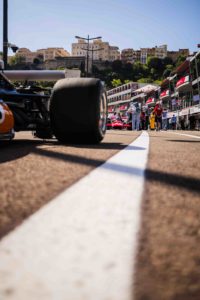
The 1950s sports cars thunder past with a kind of muscular elegance, their engines deep and resonant. Then come the early rear-engine single-seaters—lighter, more agile—dancing through Casino Square as if discovering a new language of speed.
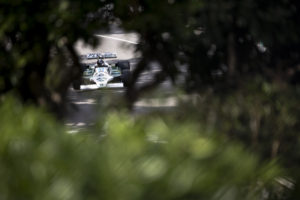
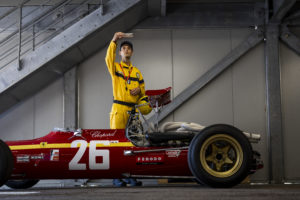
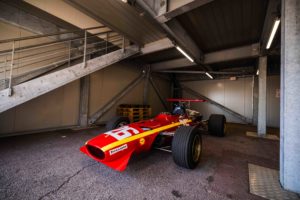
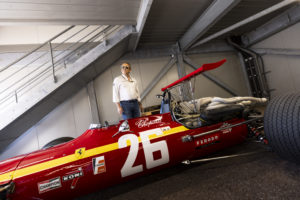
We bumped into Jacky Ickx in the garages and had a brief chat about his Ferrari, whilst he admired his car in the garage he glances over after a moment of thought ” Look its incredible, it looks like it just came out of the box.”
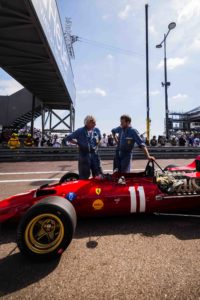
By midday, the crowd is fully alive. The terraces above the harbor are packed, cameras raised, conversations punctuated by the rising pitch of engines climbing the hill. Unlike modern Formula 1, you can still hear the differences—the personality of each machine. No two sound the same.
Then the later-era cars arrive.
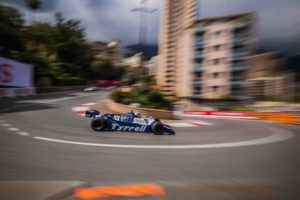
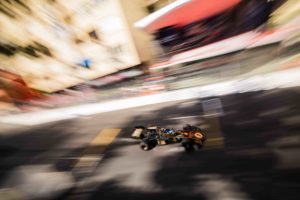
The Formula 1 machines of the ’70s and early ’80s don’t just pass—they attack. Wider tires, sharper acceleration, a rawness that feels almost reckless against Monaco’s unforgiving walls. Through the tunnel, the sound becomes something physical, a pressure in your chest before it explodes back into daylight at the chicane.
And this time, they’re pushing.
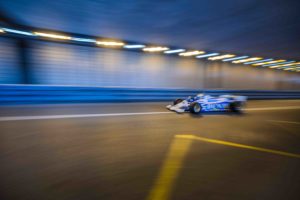
Mistakes have consequences now. A locked brake sends a puff of smoke into the air. A rear step-out at Tabac draws a collective intake of breath from the crowd. Every lap sits on the edge between control and chaos.
Monaco Showcases a Ferrari Parade Like No Other
During the Monaco Historic Grand Prix, the Ferrari parade offers a brief but striking pause from competitive action.
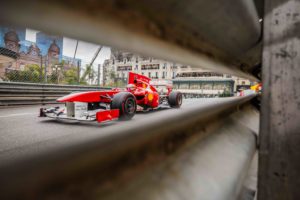
A line of classic and modern Ferrari models takes to the circuit in a controlled procession, moving at moderate speed rather than racing. The cars represent different eras of the brand’s history, from early racing machines to more recent icons, all sharing the same narrow Monaco streets.
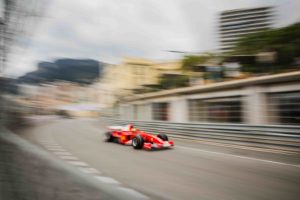
Unlike the race sessions, the atmosphere is more relaxed. Drivers often acknowledge the crowd, and spectators focus on the design, sound, and heritage of the cars rather than lap times.
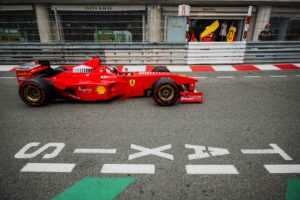
The parade serves as a tribute to Ferrari’s legacy in motorsport, turning the circuit into a moving exhibition before the competitive sessions resume.
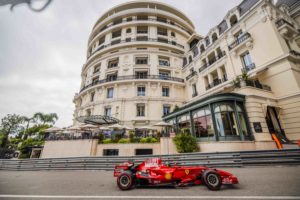
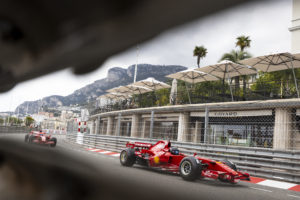
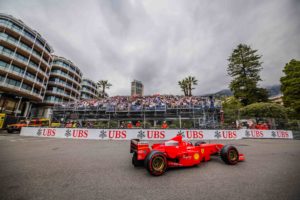
Once the Ferrari parade passes the late afternoon brings us the first races.
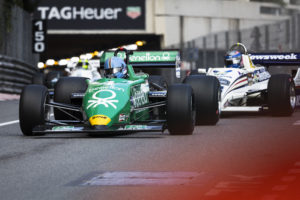
They’re short, intense, and strangely emotional. These aren’t just competitions—they’re echoes of battles fought decades ago. Liveries you’ve only seen in photographs come alive again, not perfectly restored but vividly real. The drivers don’t hold back. They race.
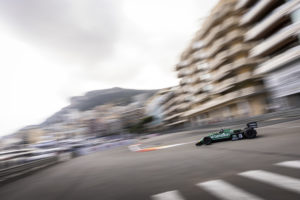
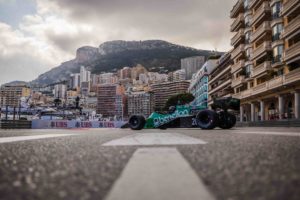
Overtakes are rare, but when they happen, they feel earned—set up over laps, forced through inches of space. The crowd reacts instantly, loudly. There’s no polite appreciation here, just pure involvement.
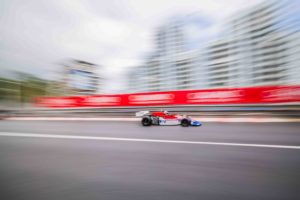
As the sun lowers, the circuit glows. The harbor reflects the light, the buildings soften, but the racing doesn’t. Final sessions run with a sense of urgency, as if everyone knows time is running out—not just for the day, but for the moment itself.
Because Saturday is the turning point.
Friday was memory. Sunday will be legacy.
Images provided by Tom Lloyd – Lxco.photo & Ingmar Bouwman.