Sunday at the Monaco Grand Prix carries a weight that few other race days can match. As the final morning settles over Monte Carlo, the streets already feel transformed—barriers lined, grandstands full, and the circuit itself waiting in silence before the storm.
As the morning builds, the paddock comes alive. Mechanics move with focused urgency, final checks are completed, and the air carries a mix of fuel, rubber, and expectation. In the distance, the sea reflects the calm before the noise, a contrast to what is about to unfold.
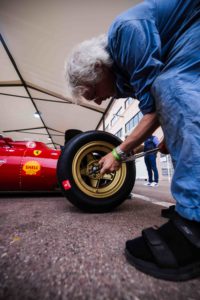
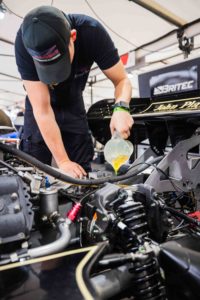
When the cars finally take to the track, the rhythm of the day changes instantly. Each lap threads through Monte Carlo like a pulse—tight, unforgiving, and precise. The barriers feel closer, the corners sharper, and the stakes higher with every passing minute.
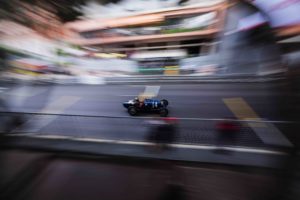
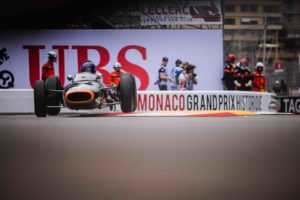
The race itself becomes a story written in motion: overtakes attempted in rare windows, strategy unfolding in the pits, and moments where control and chaos sit only meters apart. The tunnel erupts in sound, the harbour section glows with movement, and the hill climbs test patience as much as speed.
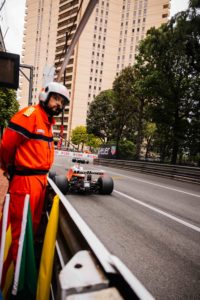
Ferrari Parade – Monaco Historic Grand Prix
Adding a touch of unmistakable theatre to Sunday at the Monaco Historic Grand Prix was the Ferrari parade, a moment that shifted the focus from competition to pure celebration. As the cars took to the circuit, the atmosphere around Monte Carlo changed—less tension, more admiration.
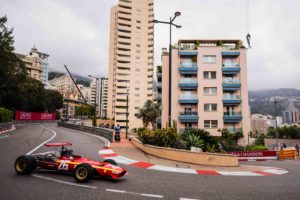
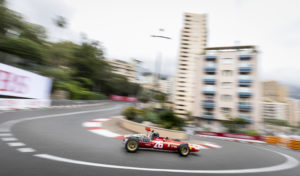
A line of historic machines from Ferrari rolled through the streets, their iconic red liveries glowing against the backdrop of the harbour and grandstands. These were not just cars, but symbols of decades of racing heritage, each one carrying its own story from Formula 1’s past.
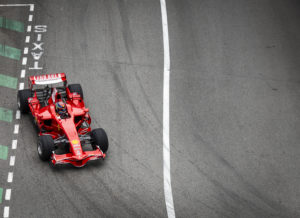
Unlike the races, the pace was measured, allowing spectators to fully appreciate the details—the shapes of different eras, the evolution of design, and the unmistakable sound of Ferrari engines echoing off the buildings. Cameras followed every movement, and the crowd responded in kind, with applause following the cars around the circuit.
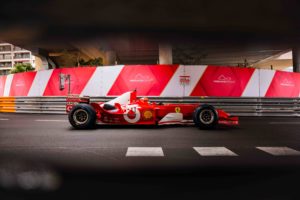
There was a sense of reverence to the parade. Drivers waved to the grandstands, mechanics and team members watched on, and for a few moments, the competitive edge of the weekend gave way to reflection. It was a reminder of Ferrari’s enduring presence in motorsport and its deep connection to Monaco’s racing history.
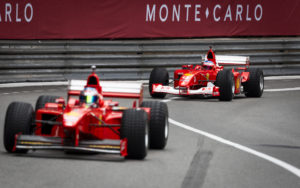
As the final cars completed their laps, the parade left behind more than just sound—it left a feeling. A tribute not just to a team, but to an era, a legacy, and the passion that continues to define racing at Monaco.
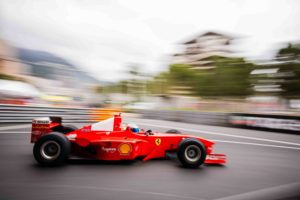
Race F, dubbed Gilles Villeneuve. Twenty-five F1 cars from 1977 to 1980 took to the grid for the penultimate race of the day.
As the lights went out, the field got away with a deafening screech. However, heartbreak followed soon as the 25 ran into the 33 who had spun just moments earlier. Before the winner took the checkered flag, two more retirees would join them, no. 19 and no. 11.
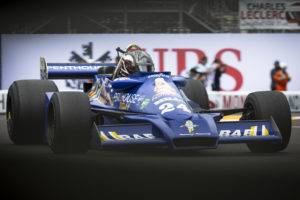
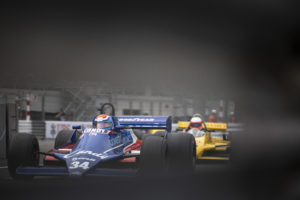
After 18 laps of on, and over the limit racing, the results were as follows:
- Michael Lyons, no. 24 / Hesketh 308e
- Frederic Rouvier, no. 34 / Tyrrell 10
- Sam Hancock, no. 15 / Fittipaldi F8
Race Report – Group G | Monaco Historic Grand Prix
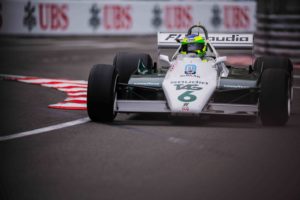
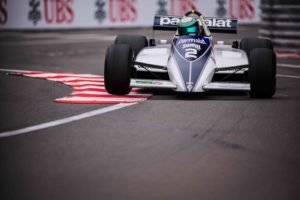
Sunday’s Group G race at the Monaco Historic Grand Prix delivered a fitting finale to the weekend, as the thunder of early-1980s Formula 1 machinery echoed once more through the streets of Monte Carlo. Featuring cars from one of the most dramatic eras in the sport, the race combined raw power, evolving aerodynamics, and the unforgiving nature of Monaco into a captivating contest.
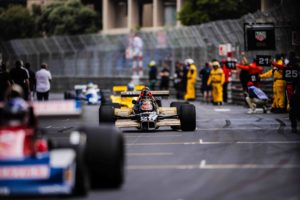
From the formation lap, it was clear that this would be no gentle parade of historic machinery. Engines barked sharply, turbocharged units spooling with a distinctive whistle as drivers carefully brought their cars up to temperature. The field formed tightly on the grid, each driver acutely aware that, at Monaco, the race can be won—or lost—within the opening corners.
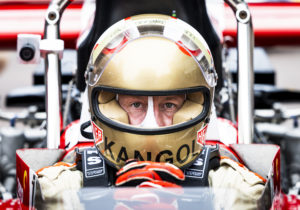
When the lights went out, the pack surged forward, the narrow run to Sainte Dévote immediately compressing the field. Early positioning proved crucial, with drivers balancing aggression against the ever-presentrisk of contact. Through the opening laps, the frontrunners began to establish a rhythm, threading their cars through Casino Square and down into Mirabeau with increasing confidence.
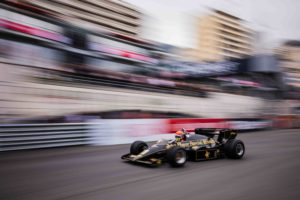
Group G’s defining characteristics quickly came to the fore. The ground effect cars appeared planted yet lively, darting through corners with remarkable speed, while the turbocharged engines unleashed bursts of acceleration along the short straights. Out of the tunnel, the cars seemed to leap forward, their power momentarily unrestricted before braking hard into the Nouvelle Chicane.
The podium from the race (Series G):
- Stuart Hall / March 821 no.18
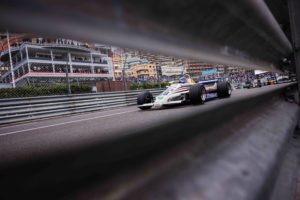
- Alex Kapadia / Williams FW08 no.6
- Werner D’Ansembourg / Brabham BT49D no.2
This year’s event once again captured what makes Monaco so unique. It is not just the setting, nor just the cars, but the way history is brought vividly back to life on every lap. From the intensity of Sunday’s races to the elegance of the supporting moments, the Grand Prix delivered a complete celebration of motorsport’s past.
As attention now turns ahead, the anticipation for the next edition in 2028 is already beginning to build. The promise remains the same: a return to the narrow streets, the same unmistakable backdrop, and another chance to witness racing history in motion.
Until then, Monaco rests—but never for long.
All images supplier by Tom Lloyd – Lxco.photo & Ingmar Bouwman