Monza opened the FIA WEC season finale with rain, red flags and a rapidly changing track. For Aston Martin’s Tom Gamble and BMW M Team WRT’s Raffaele Marciello, the challenge is now clear: make the most of limited wet data, adapt quickly when the circuit dries, and be ready for a race that may be run in very different conditions.
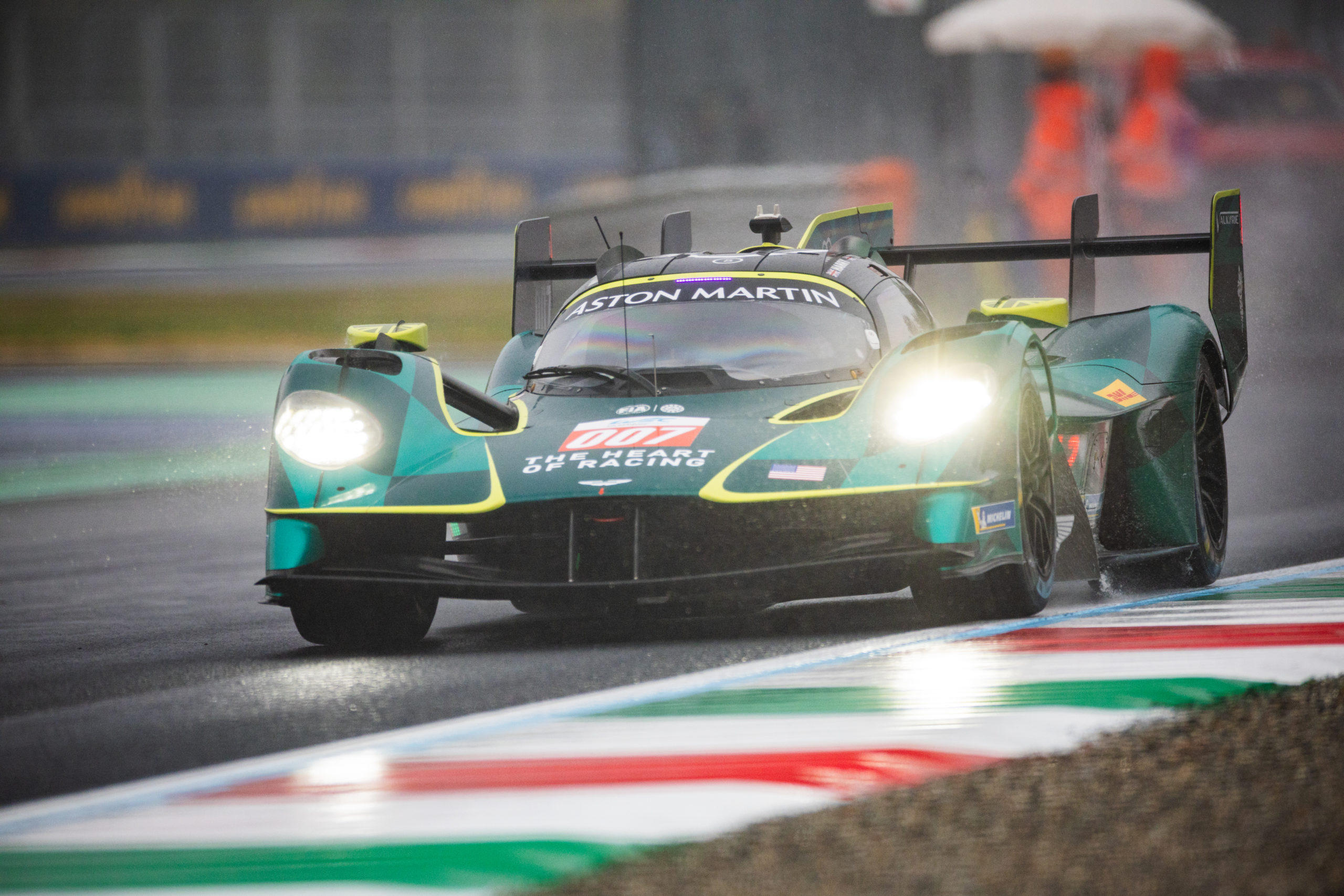
Gamble, sharing the #007 Aston Martin Valkyrie with Harry Tincknell, was encouraged by the car’s early wet-weather pace. “First run of FP1 was soaking,” he said. “The car was really fast in the wet, to be honest, so that’s a good positive.”
That was especially welcome after Barcelona, where Gamble felt Aston Martin had lacked some pace in the rain. But the Aston Martin has historically shown strong wet capability, and at Monza it was immediately competitive near the front.
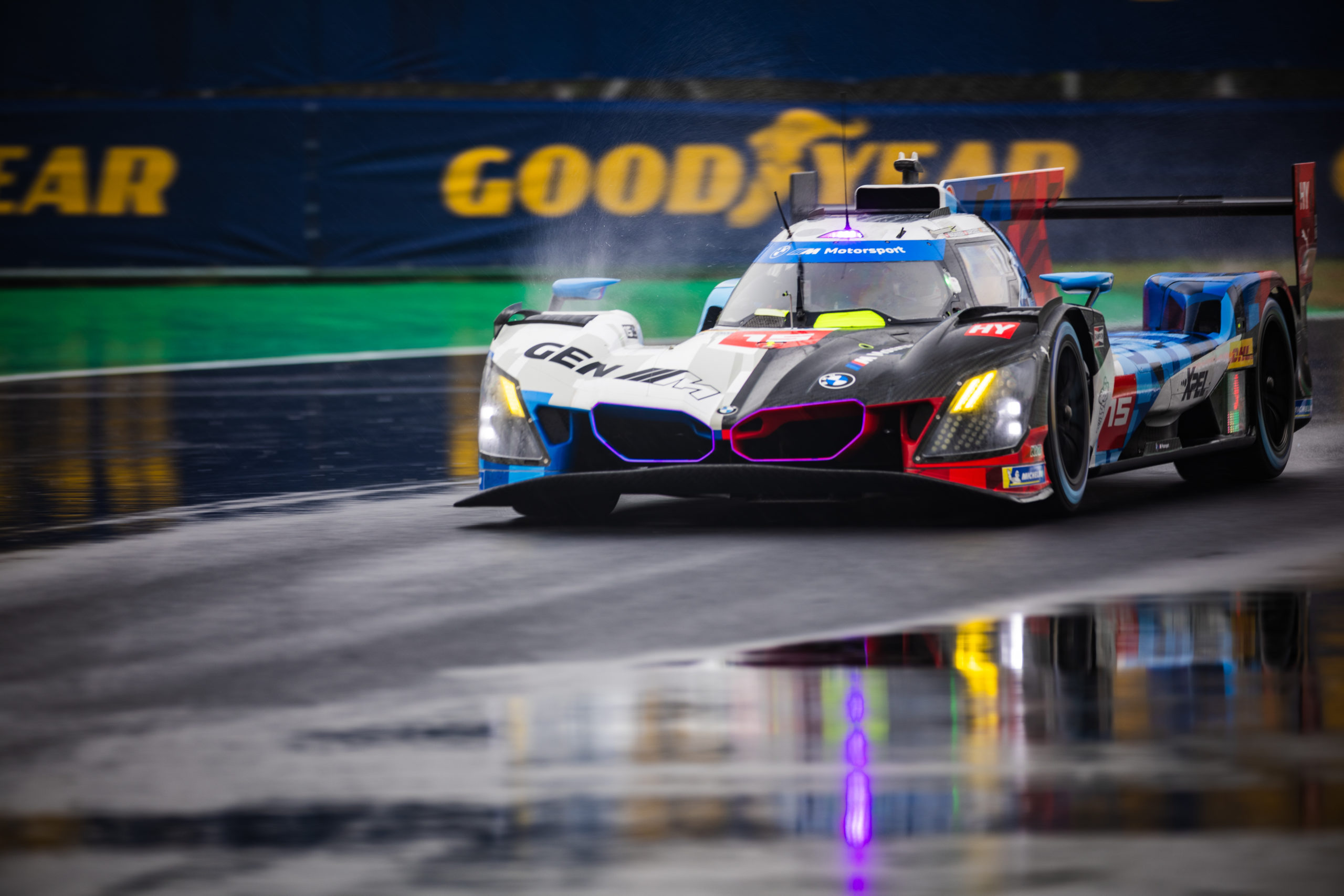
A useful wet-weather lesson
The most valuable learning came late in the session, when the track began to dry and teams faced the classic endurance-racing dilemma: when to abandon wets and commit to slicks.
Aston Martin made the switch with roughly ten minutes remaining. Initially, Gamble admitted, it was slightly too early. “We were probably missing like eight or 10 seconds a lap at the start,” he explained. “But then, when the others come out on slicks and there’s only five minutes left, we’ve got a bit of heat in our tyres.”
That allowed Tincknell to deliver a stronger lap at the end of the session. For Gamble, the exercise was more important than the lap time itself: it gave the team a clearer understanding of the crossover point between wet and dry tyres.
“It’s about knowing the right crossover of when to go wet to slicks,” he said. “I think we’ve kind of learned that in that session, which is a really big positive.”
Marciello’s priority: qualifying
BMW’s Raffaele Marciello has a different immediate concern. With the forecast suggesting a drier Saturday, he wants FP3 to provide meaningful dry running before Hypercar qualifying.
“If FP3 is dry, we try to give some real [running] and then do qualifying in every trick,” Marciello said. “Then you try to have the best. At work, qualifying is quite important. Track position is very important, so we have to try to qualify [well].”
His view reflects the particular nature of Monza. The high-speed Temple of Speed rewards efficient aerodynamics, stable braking and traction out of slower corners — qualities Ferrari highlighted ahead of the weekend. But with limited dry-weather data, teams may enter qualifying without a fully representative reference point.
The Monza conundrum
The weather creates an unusual strategic problem. Friday’s running was disrupted by rain and red flags, while Saturday’s FP3, qualifying and Hyperpole sessions could offer the first meaningful dry laps of the weekend. The six-hour race is scheduled for Sunday at 11:00 local time.
That means teams must prepare for two scenarios at once:
- Build confidence and data in the wet, where Aston Martin appears strong.
- Use any dry running to refine balance, tyre behaviour and qualifying preparation.
- Judge precisely when to switch from wet tyres to slicks as the track evolves
- Preserve flexibility for a race that could begin dry, become wet, or demand both.
Gamble believes adaptability will be decisive. “You can’t really predict exactly what the weather’s going to do,” he said. “Obviously, they have many different weather channels that they’re always looking at to see what’s changing.”
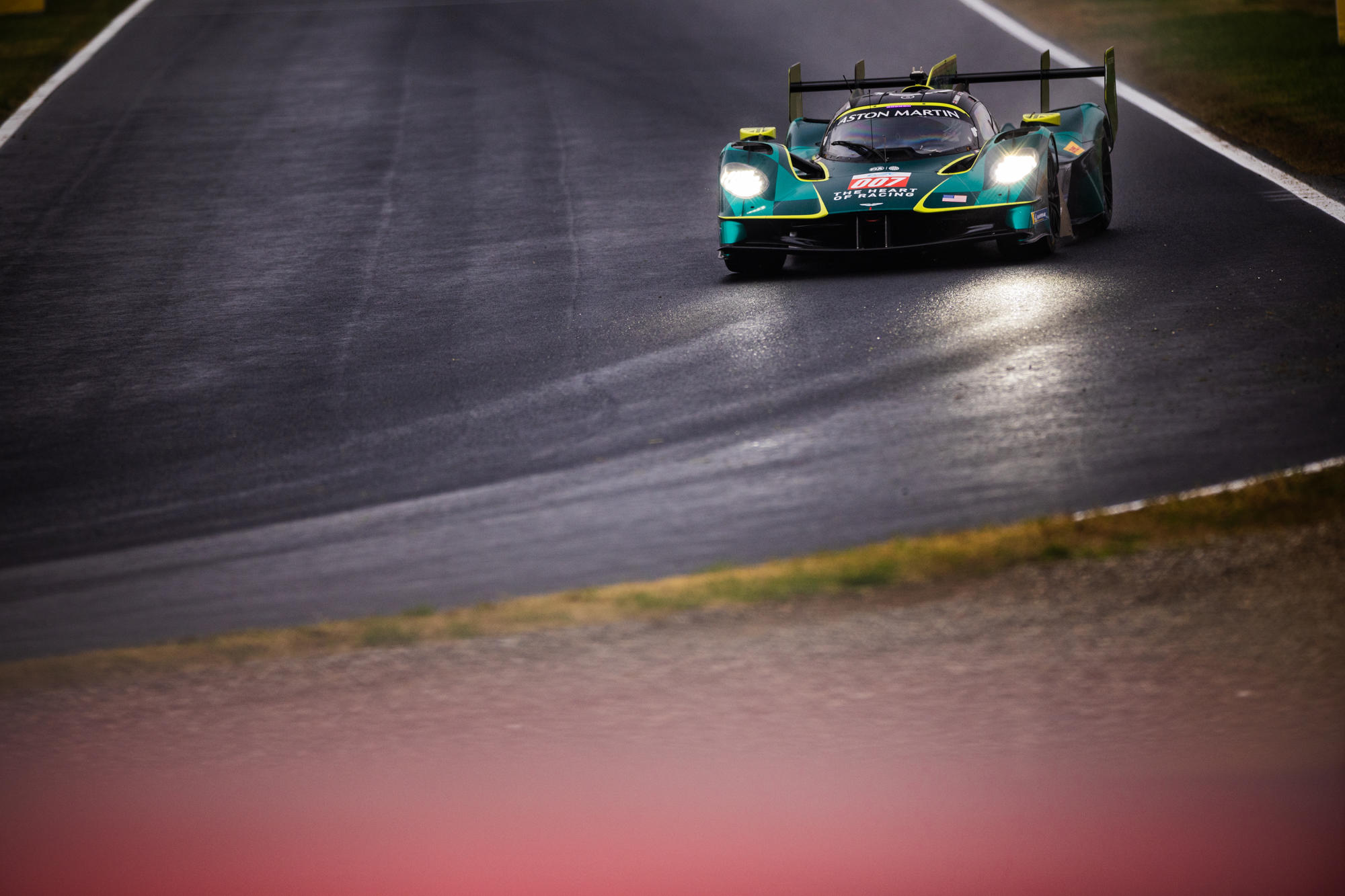
Two approaches, one target
Aston Martin and BMW may be approaching the weekend from different starting points, but both understand the same truth: Monza will not reward the team that simply has the fastest car in one condition. It will reward the team that reads the changing track best, chooses its moments well and turns limited information into a competitive advantage.
For Gamble, the early signs are encouraging. For Marciello, the focus is already on Saturday. Either way, the weather may prove to be one of the most important strategic variables of the 2026 WEC finale.