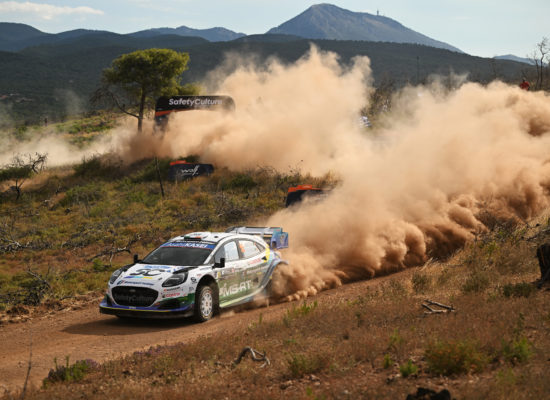
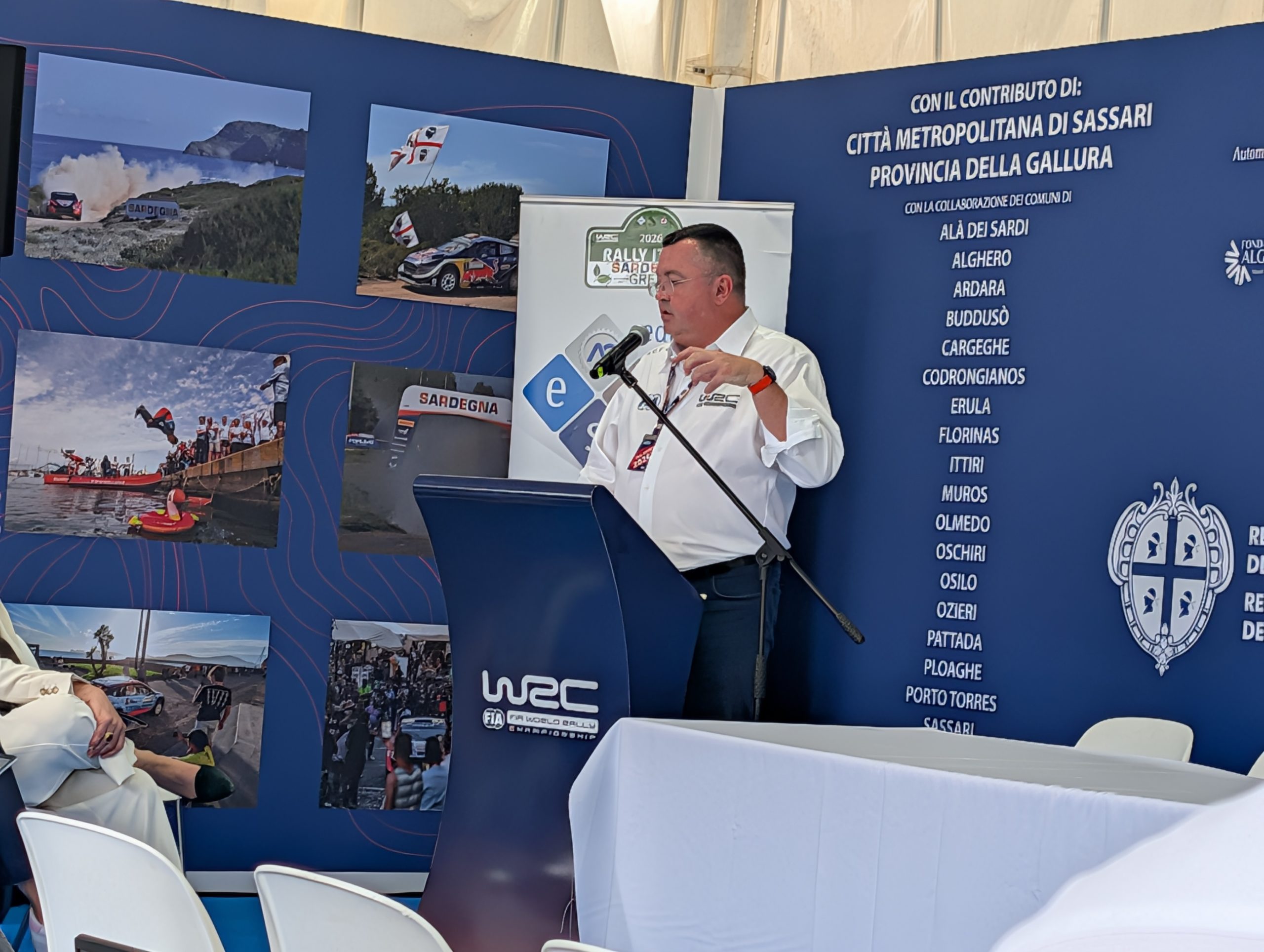
Eric Boullier, CEO of WRC Promoter, used his appearance at the FIA Sustainability Forum in Sardinia to frame environmental responsibility not as an add-on for rallying, but as central to the discipline’s future. His argument was straightforward: rallying’s distinctive intimacy with landscapes, roads and local communities makes sustainability both a greater challenge and a greater opportunity than in many other motorsport categories.
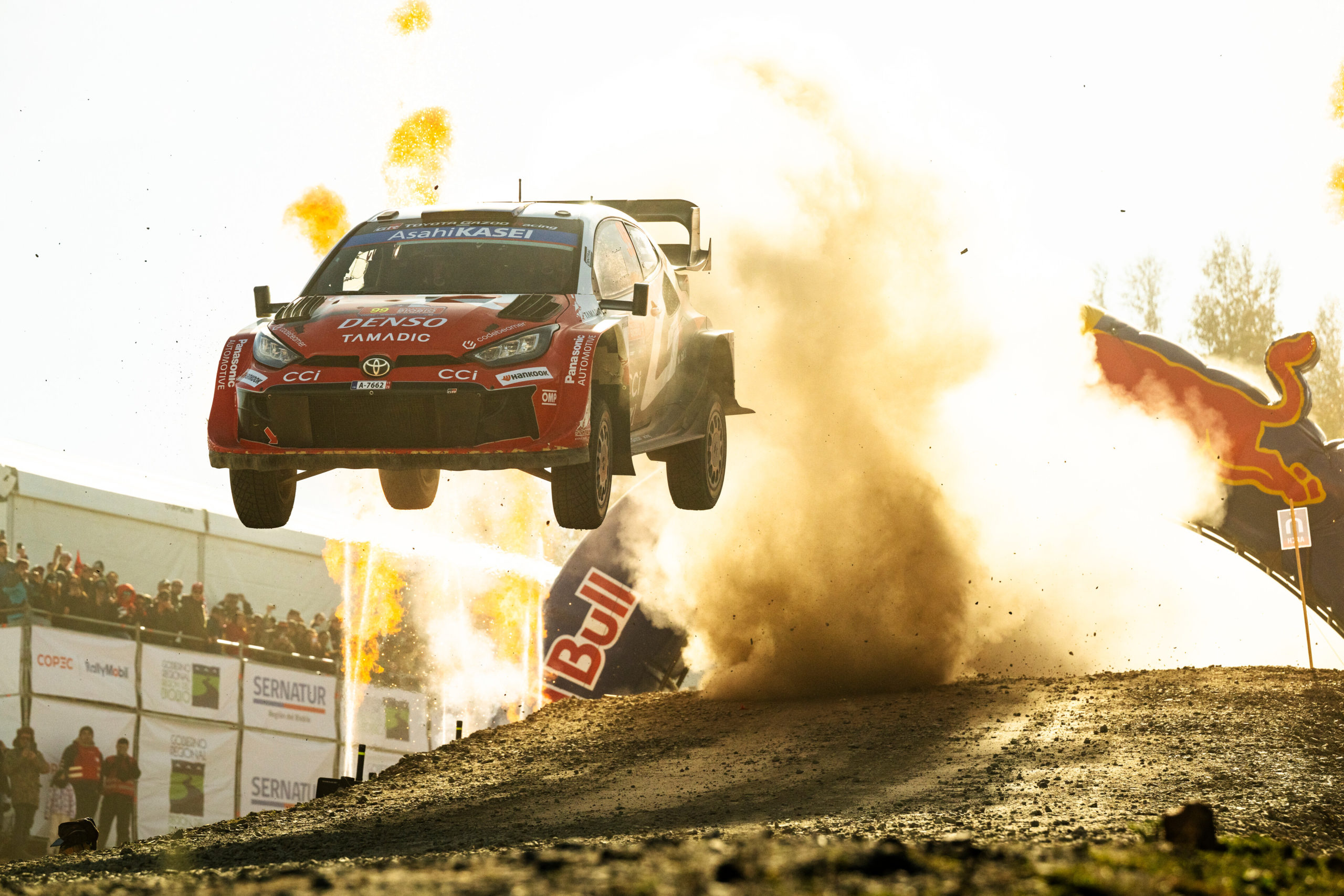
“Rallying has a unique relationship with the environment,” Boullier told delegates. “We have to adapt to the landscape, adapt to the conditions and the weather, and we also have to reduce our impact.”
That relationship is precisely why the sport cannot treat climate and biodiversity as peripheral concerns. Rally events move through towns, forests, mountains and coastal terrain, often relying on the goodwill of residents and landowners. For Boullier, protecting that social and natural licence to operate is inseparable from protecting the championship’s commercial and sporting future.
A broader strategy for 2027
Boullier confirmed that WRC Promoter will launch an updated sustainability strategy in early 2027. It will be organised around four connected areas: climate, nature and innovation, community, diversity and inclusion, and ecosystems.
The strategy will extend WRC Promoter’s existing Beyond Rally platform, which already covers climate, biodiversity, innovation, responsible management and social impact. It also builds on the Sustainability Roadbook introduced in 2024, which set out short-, medium- and long-term actions for both the WRC and ERC.
Two commitments stood out. WRC Promoter is preparing to join the UNFCCC Sports for Climate Action framework, while it is already part of the IUCN-led Sports for Nature Initiative. The latter brings together sporting bodies with IUCN, the IOC, UNEP, the Convention on Biological Diversity and Dona Bertarelli Philanthropy to promote nature-positive action across sport.
From pledges to measurement
Boullier’s most concrete examples concerned data. WRC Promoter is using satellite data to assess ecosystems and biodiversity around rally events, with the aim of understanding the sport’s impact across its stages and surrounding areas.
The second initiative is climate-risk assessment. Boullier said WRC Promoter’s next step is to evaluate climate-related risks across all WRC and ERC events, including extreme heat, heavy rainfall, wildfires and changing snow conditions. In practice, that could affect route design, safety planning, scheduling and long-term event viability.
This is where the presentation felt more substantive than a conventional sustainability speech. Rather than presenting environmental action solely as branding, Boullier positioned measurement as an operational tool: knowing where nature is vulnerable, and where climate change may disrupt events, gives organisers a basis for adaptation.
Fans as part of the solution
Boullier also addressed the role of the rally audience. Fans experience the landscapes through which the cars pass, often more directly than spectators at permanent circuits, and he argued that they should be encouraged to respect and protect those environments.
“We want our fans to be part of that journey,” he said. “They experience these landscapes alongside us and have an important role to play in respecting and protecting them.”
He further suggested that sustainability forums could become a regular feature of WRC event weekends, signalling an intention to embed the conversation within the championship rather than confine it to annual policy discussions.
Why it matters
WRC Promoter already holds the FIA’s three-star environmental accreditation, the highest level in the federation’s Environmental Accreditation Programme, and expects all teams, suppliers and event organisers to hold the accreditation by 2027. The sport has also moved Rally1 and WRC2 machinery onto sustainable fuels since 2023.
But Boullier’s Sardinia message suggested a shift in emphasis: from fuel and footprint towards biodiversity, climate resilience and community legitimacy. For a championship that depends on access to roads, forests, coastlines and rural communities, that broader agenda may prove as important as any technical sustainability measure.
“Sustainability is not separate from the future of motorsport,” Boullier concluded. “It is part of how we ensure its long-term resilience and value.”
Sam Tickell // Racerviews