Monza’s unknown quantity: Peugeot and Cadillac turn a wet, improvised qualifying into a statement
Monza has a way of making a qualifying session feel like a high-speed experiment. On Saturday afternoon, with the Italian circuit still damp from Friday’s rain and only a handful of meaningful dry laps available, the FIA WEC field arrived at the Temple of Speed with data sheets that suddenly looked incomplete.
Ferrari ultimately took the headlines, with Antonio Fuoco putting the #50 499P on pole for the season finale. But behind the scarlet cars, Peugeot and Cadillac quietly produced the sort of qualifying performances that could matter far more when the lights go out for six hours.
A grid built on guesswork
The problem was simple: nobody had enough dry running. Friday’s wet conditions meant teams entered qualifying with limited knowledge of tyre behaviour, brake temperatures, ride heights and the evolving grip level of a recently resurfaced Monza.
For Alpine, which had tested at Monza last year, that history was useful but not decisive. Charles Milesi explained that the car has moved on too much for old data to be treated as gospel
“We tested last year here, so we had already some data on the car. But as you may know, those cars are quite complex and they are evolving every race. What we had one year ago was not really relevant for this weekend.”
That is the central tension of modern Hypercar racing. The cars are no longer simply machines to be driven quickly; they are rolling systems of energy deployment, aero balance, tyre management and software logic. Change one element and the entire setup philosophy can move.
“Going into qualifying with dry conditions was a kind of discovery for the systems. We had to tune everything during qualifying. Coming into the race tomorrow without doing any dry running on long runs — not talking about qualifying runs, but long runs — will be a discovery for everyone.”
Milesi’s point cuts to the heart of Sunday’s uncertainty. A qualifying lap reveals peak performance. A six-hour race reveals whether a car can repeat it, recover from traffic, manage energy and survive a strategy call made with incomplete information.
Peugeot’s quiet confidence
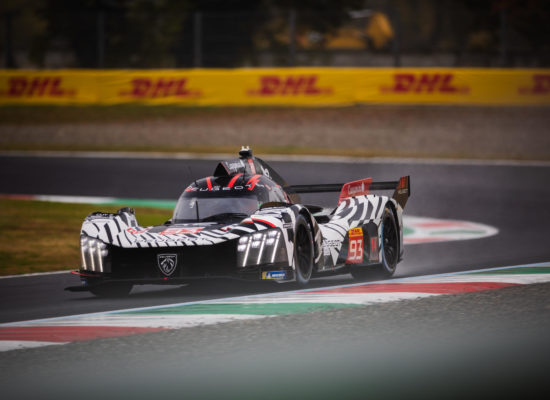
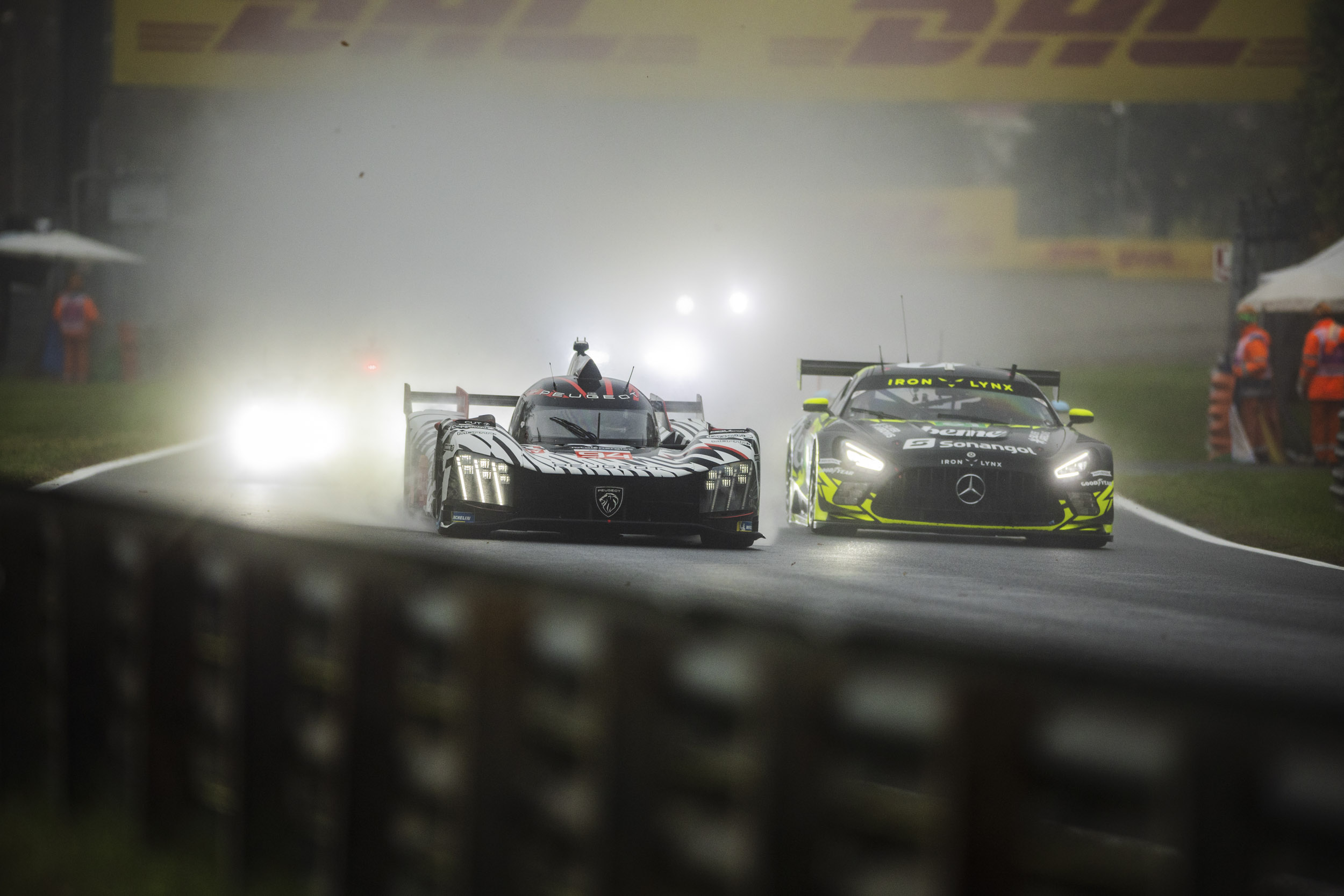
Peugeot left qualifying with both cars in the top 10: the #94 fifth, and the sister #93 11th. It was not a headline-grabbing result, but it was a meaningful one for a team that has spent much of the season searching for consistency.
Pourchaire believes the 9X8’s characteristics suit Monza’s demands.
“I think we have great top speed. We are really good on the brakes, which helps in Monza. I think the car was generally quite good in the dry and wet conditions, so I’m happy with it. It means that tomorrow for the race we can fight.”
That is not an empty promise. Monza rewards a car that can brake deep into the first chicane, survive the Rettifilio and carry momentum down the long run to Ascari. It also punishes hesitation: arrive at more than 320 km/h and the margin for error is measured in metres, not metres per second.
“It was difficult for the first few laps. I had to be at pace straight away. When you arrive at Turn 1 at more than 320 km/h, you really need to not miss the braking point. But I basically drove well; the car was great.”
For a driver still finding his feet at the top level of endurance racing, that is an encouraging assessment. Pourchaire has already shown in his early Hypercar appearances that he can adapt quickly. Monza now offers him a chance to show that he can race as well as qualify.
Cadillac’s improvised speed
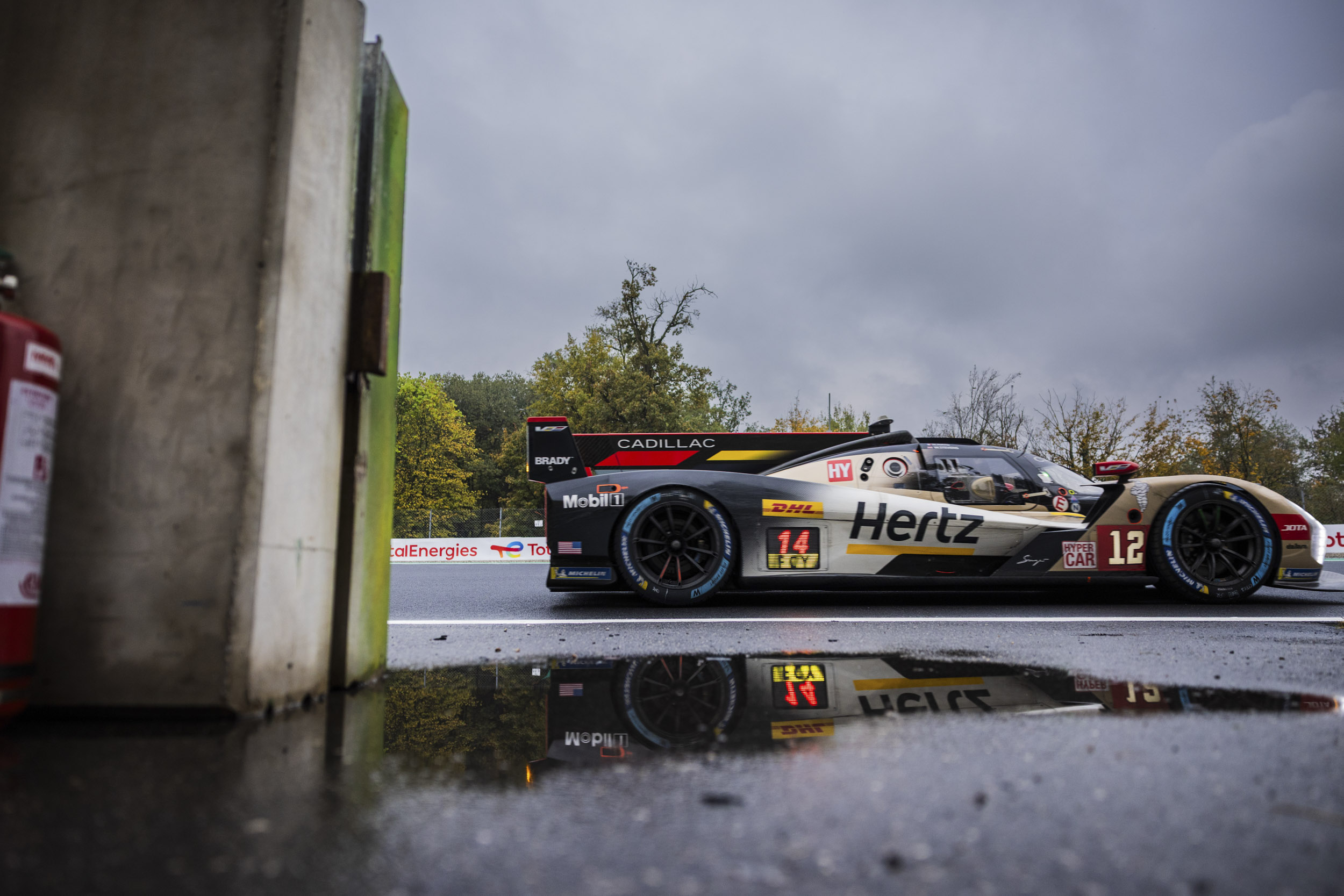
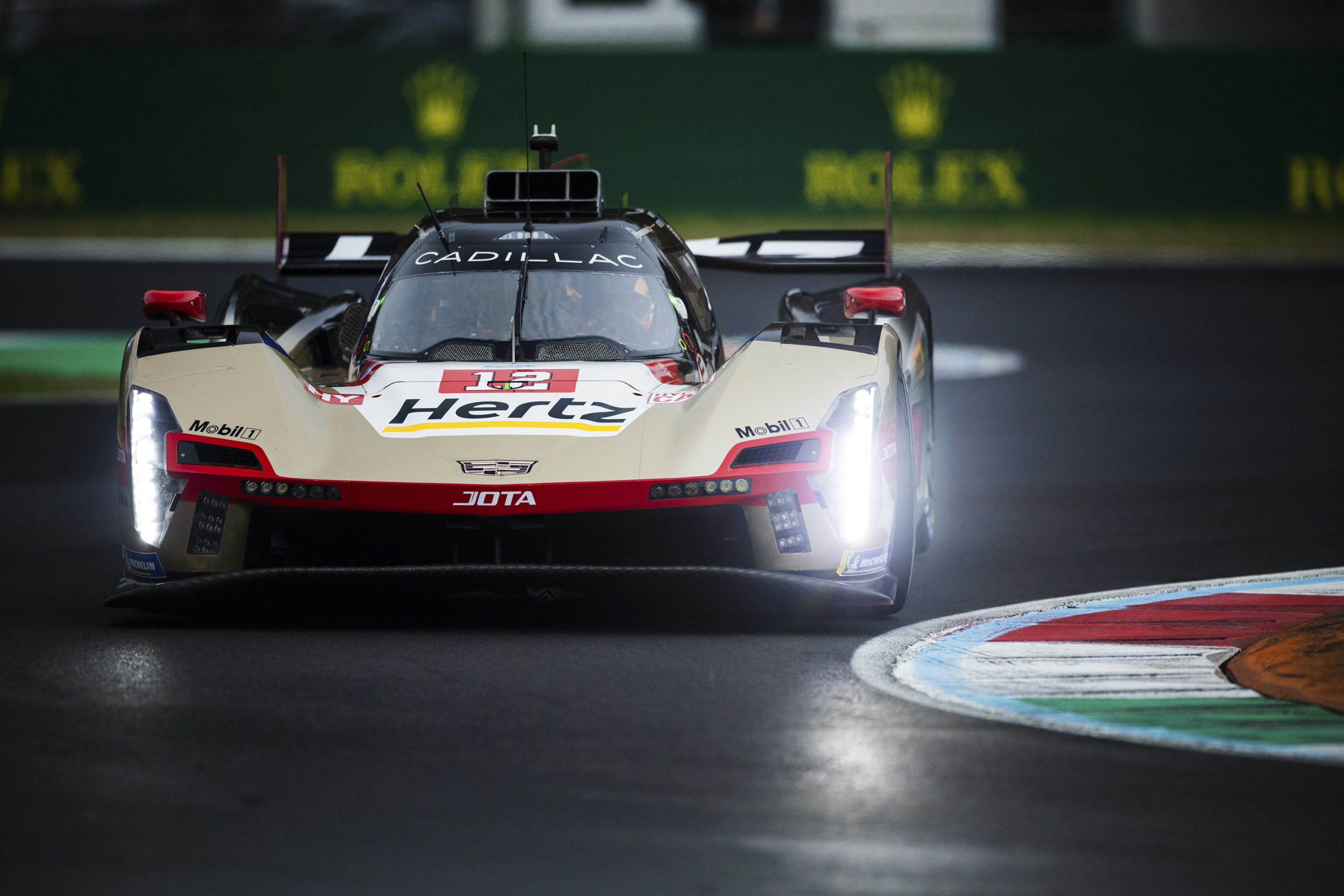
Cadillac arrived at Monza without testing, then lost much of Friday’s running to the weather. On paper, that should have been a disadvantage. Instead, the team put both V-Series.Rs into Hyperpole. The #38 of Earl Bamber, Sébastien Bourdais and Jack Aitken third, and the #12 seventh.
Norman Nato, who shares the #12 with Jenson Button and Sebastien Baud, was candid about how much improvisation was involved.
“Honestly, it’s been quite a good qualifying for us. We didn’t have any testing at Monza and some teams did. It was not such good news for us to have a wet FP1 and FP2 and then go into dry qualifying, because we were kind of discovering the conditions — car setups, driver references. We were going a bit freestyle.”
“Freestyle” is an unusually honest word for a factory-backed Hypercar programme. But it captures the reality of a weekend in which teams have had to make decisions without the usual reference points.
“Both cars made it into Hyperpole, starting tomorrow P3 and P7. The car is working really well. We managed to get some data in qualifying on dry conditions, so we’re going to try to optimise the few things we can for tomorrow. But the baseline was very strong, so it’s looking promising.”
Nato believes the team’s strength lay less in raw pace than in coordination.
“It’s team coordination at the end. Instead of driving, we were optimising temperature, which was a big thing. Preparation is key in these conditions, where you have very little time on track and you’re discovering dry conditions.”
That is the unglamorous side of endurance racing. While the drivers chase tenths, the engineers chase window. Tyre temperature, brake temperature, energy deployment, ride height and the delicate balance between a car that is quick over one lap and one that can still be driven hard two hours later makes the difference between a good result and being and alsoran.
“We can be very proud of what we’ve done today with both cars. We’re not fully optimised — we just put what we thought would be the best — and from there we’re going to work tonight to improve it tomorrow.”
Alpine’s near miss
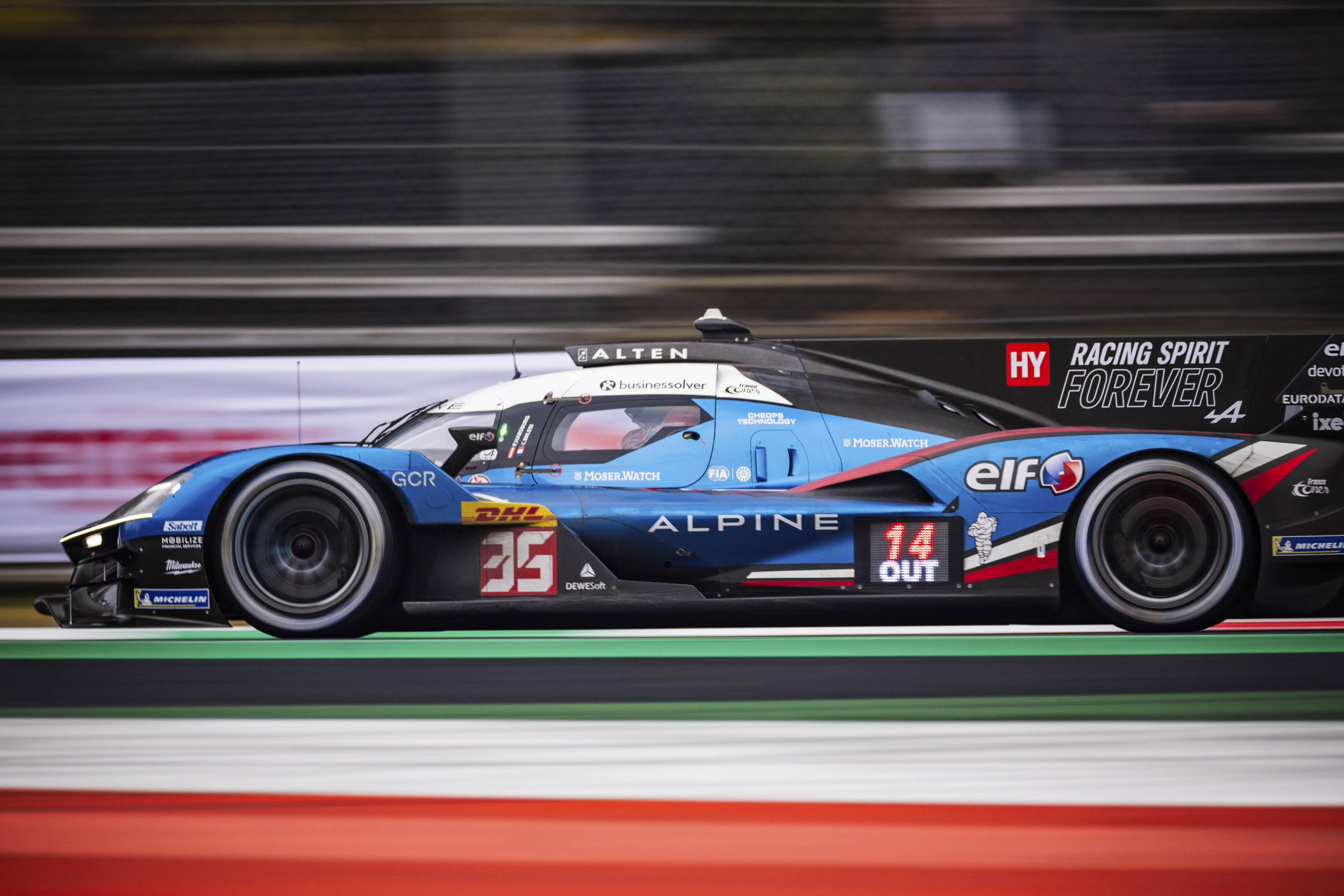
Alpine’s Charles Milesi missed Hyperpole by 0.050s, qualifying 11th in the #35 A424. It was a frustratingly small margin, but he left the session with a pragmatic view of what Sunday might bring.
“It was not an easy one, for sure, but it was the same for everyone in the end. The track was evolving until the last lap. The cars that needed an extra lap and were able to do it had a bit of an advantage. But it was really close between all the cars.”
Milesi’s assessment is more interesting for what it says about the race than the qualifying result. With the circuit still green after the rain, grip should continue to build. That creates opportunity — but also uncertainty.
“P11 is not the best position we could have got today, but it’s still a good starting position for tomorrow. The track will be evolving because it will be quite green after all the rain. The strategies are going to be quite different between teams, I think, and also the fuel. We don’t know how much we’ll consume, and with tyre degradation we have no idea what is going to happen tomorrow.”
That uncertainty is likely to make Monza one of the more tactically intriguing races of the season. Low tyre degradation and cool conditions could encourage longer stints; changing grip levels could reward teams willing to gamble on an early stop; and fuel consumption remains an unknown quantity after such limited dry running.
The race nobody can fully predict
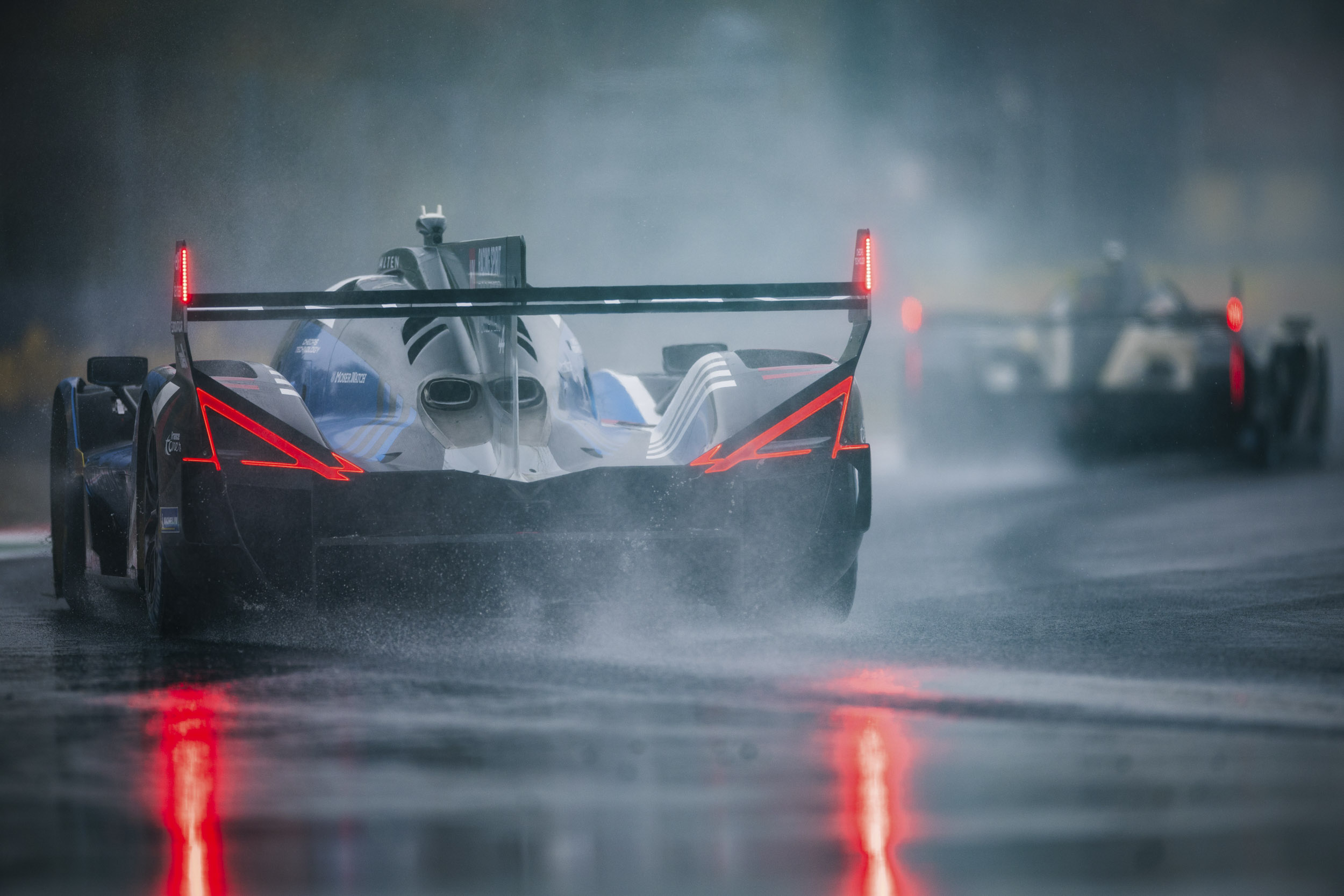
The qualifying order suggests a familiar hierarchy: Ferrari fast, Genesis close, Cadillac strong, Peugeot competitive and Alpine just outside the leading group. But the conditions have stripped away some of the usual certainties.
Nobody has completed a meaningful dry long run. Nobody knows exactly how the tyres will behave across a full stint. Nobody knows how much fuel the cars will consume, how quickly the track will rubber in, or whether safety cars will turn a carefully constructed strategy into a lottery.
That is why Nato is treating Sunday with caution rather than triumphalism.
“We need to see what happens at the start tomorrow, because we know that in Monza it’s not an easy one. We’re going to take it step by step. We’ll put a plan in place. I think the strategy will be quite different because of the tyres, with low degradation and temperature. We’ll try to anticipate as much as we can and optimise everything tomorrow.”
The RacerViews info –
By Sam Tickell, photos by Tom Lloyd
We are passionate, dedicated motorsport professionals.
In 2026 you will see us trackside and stageside with exclusive coverage of
- The World Endurance Championship
- The World Rally Championship
- Belgian Rally Championship
- British GT
- British Rallycross
- and more!
We aim to bring you interviews and photos you won’t see anywhere else. We don’t aim to break the news, rather we aim to bring the voices of the racers to you and the atmosphere of the event to you at home. Our social media presence on Facebook, Twitter and YouTube bring you more, a holistic experience. We partner with racers and professionals in the industry and give back where we can. If we can help you or you have a story to share, please contact us.