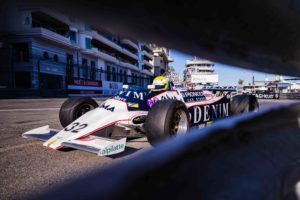
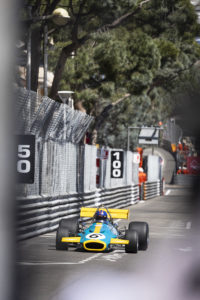
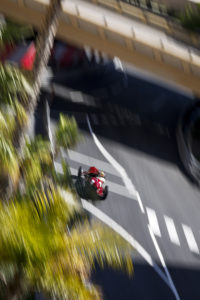
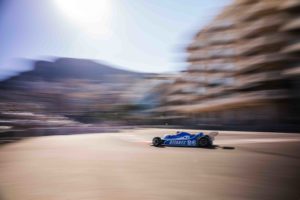
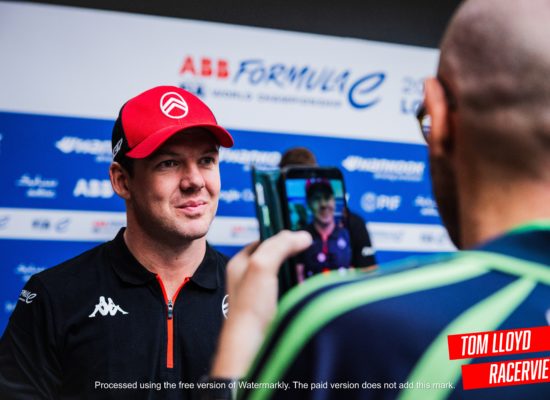
Friday in Monte Carlo At The 15th Grand Prix de Monaco Historique.
We Begin with Friday, as Monte Carlo slowly shifts from its everyday rhythm into something more charged and ceremonial. The streets still carry their usual elegance, but there is a noticeable change in texture—trailers arriving in the early light, classic machines carefully unloaded, and teams beginning to settle into the narrow confines of the Principality.
The first engine fired just after eleven, its note sharp and metallic, echoing off the stone and glass of Monaco like something that didn’t quite belong to this century.
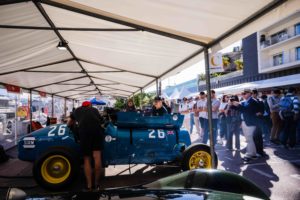
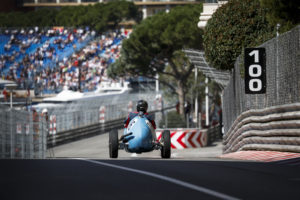
Down in the paddock, mechanics leaned over machines older than most of the spectators. Hands moved carefully, respectfully. These weren’t just cars—they were survivors. Polished aluminum, exposed rivets, leather straps holding down bodywork that had once torn through Europe at impossible speeds. Some still bare the scars.
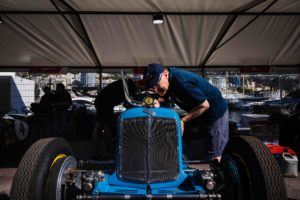
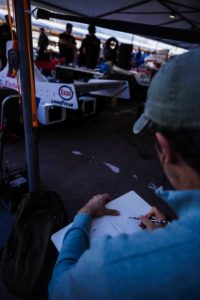
In the paddock, drivers spoke in low tones. Some had raced here decades ago. Others took to creating art of the racing machinery in front of them.
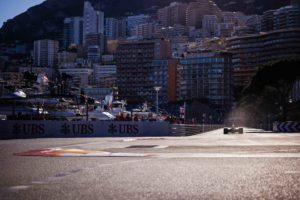
By midday, the harbor area and surrounding streets take on a new visual identity. Cars from different eras sit in contrast with modern Monaco: polished pre-war machines beside mid-century racers, their lines reflecting in glass buildings and still water. Small groups gather along railings and viewpoints, already observing, photographing, and absorbing the early atmosphere.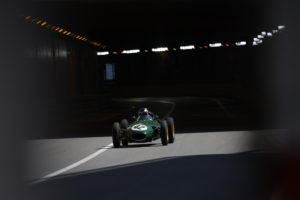
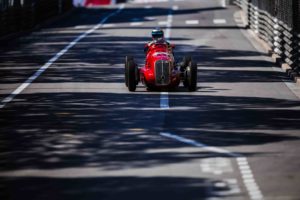
Each session brought a new era. Pre-war machines chugged and roared like mechanical beasts, followed by the sleeker, experimental lines of early rear-engine cars. By early afternoon, the sound had changed completely—higher revs, sharper edges, a glimpse of Formula One’s evolution unfolding corner by corner.
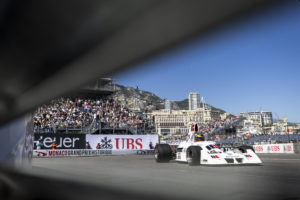
The crowd grew steadily. Not in a rush, but in waves. People wandered in from cafés, from yachts, from shaded terraces above the circuit. Some stayed for a single session, others settled in for the long haul. There was no urgency—just curiosity.
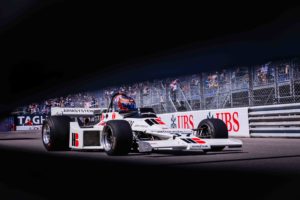
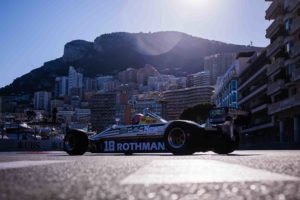
By late afternoon, the faster classes arrived. Cars from the late ’70s and early ’80s snapped through the corners with a kind of raw aggression. Wider, louder, more familiar—yet still untamed compared to anything modern. The barriers felt closer. The risks, more real.