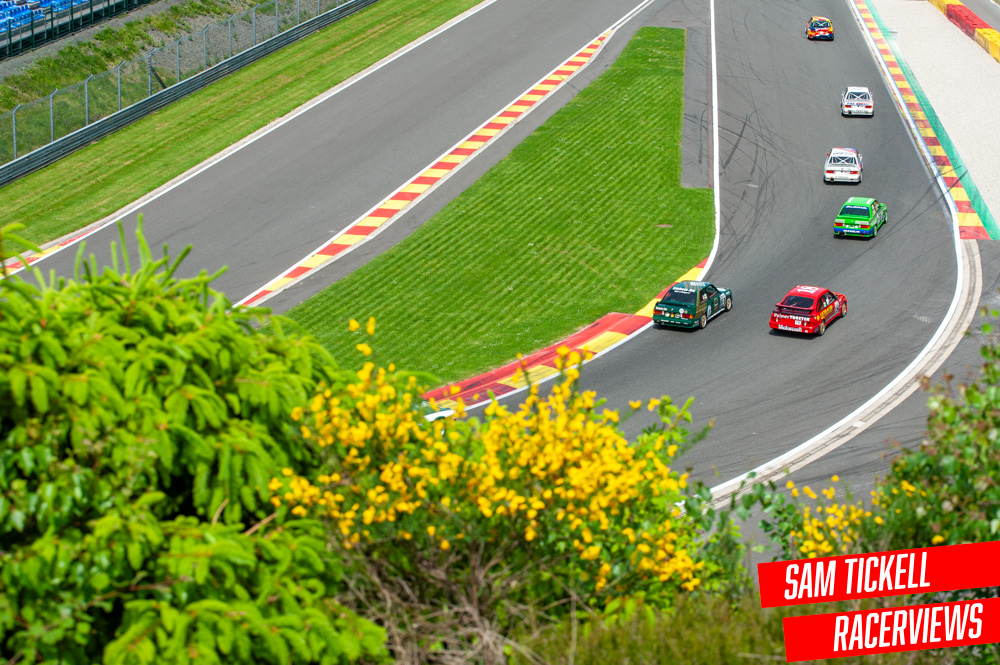
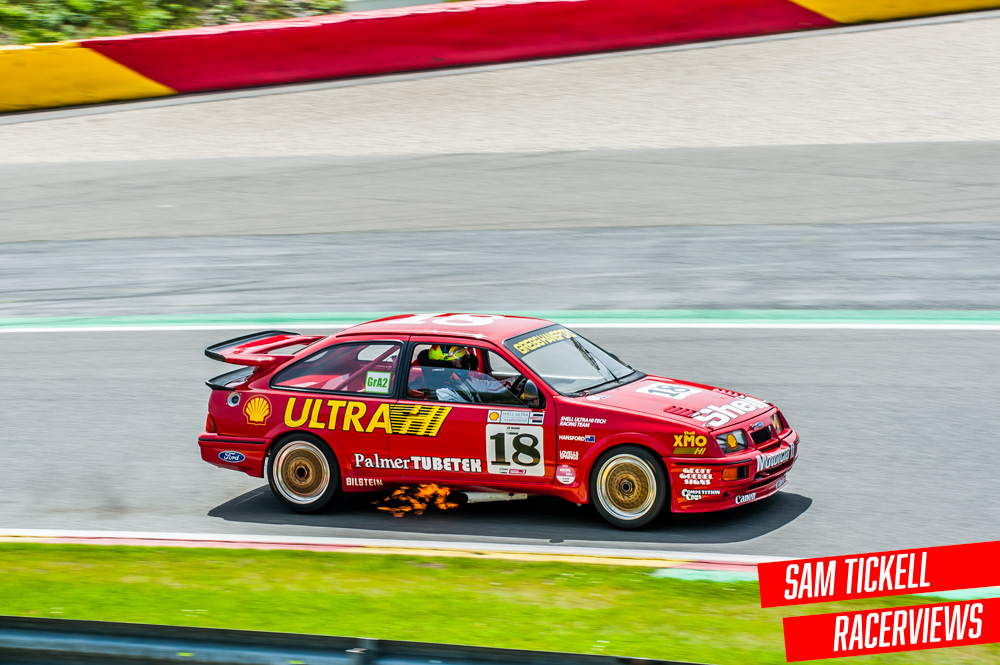
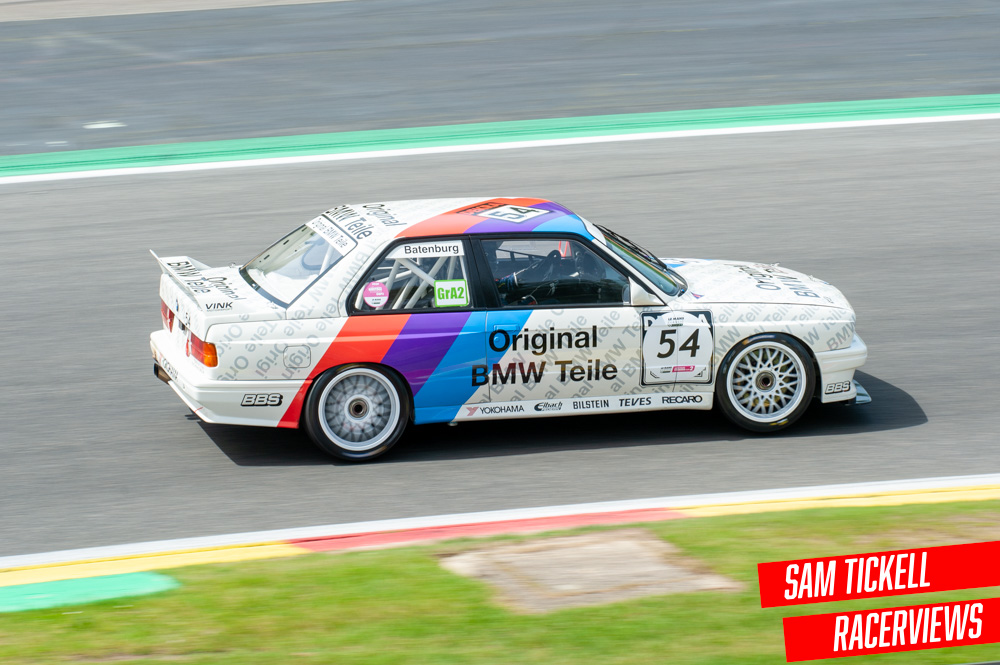
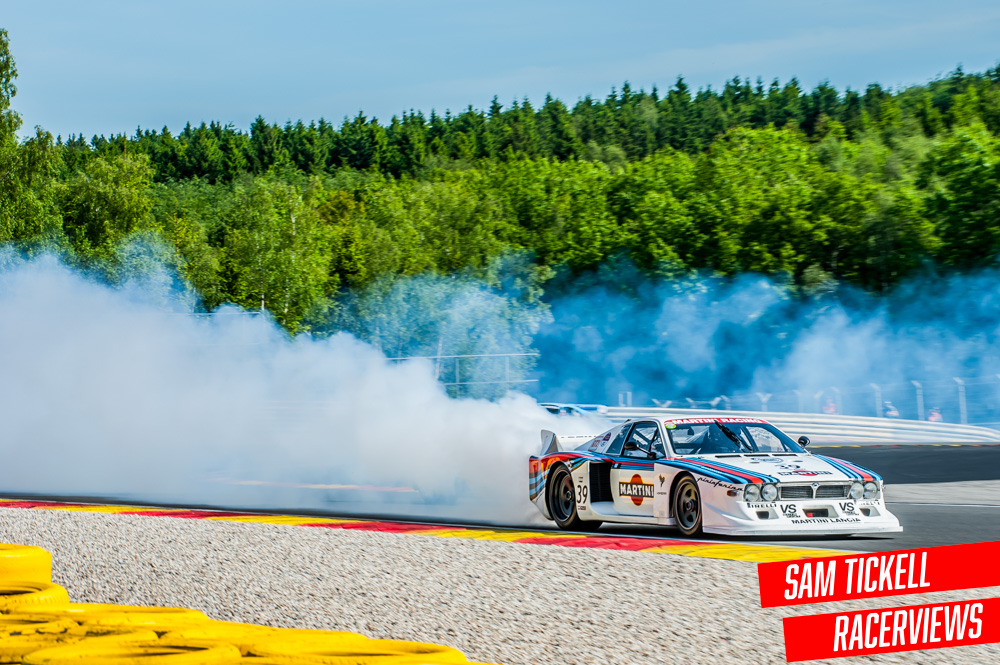
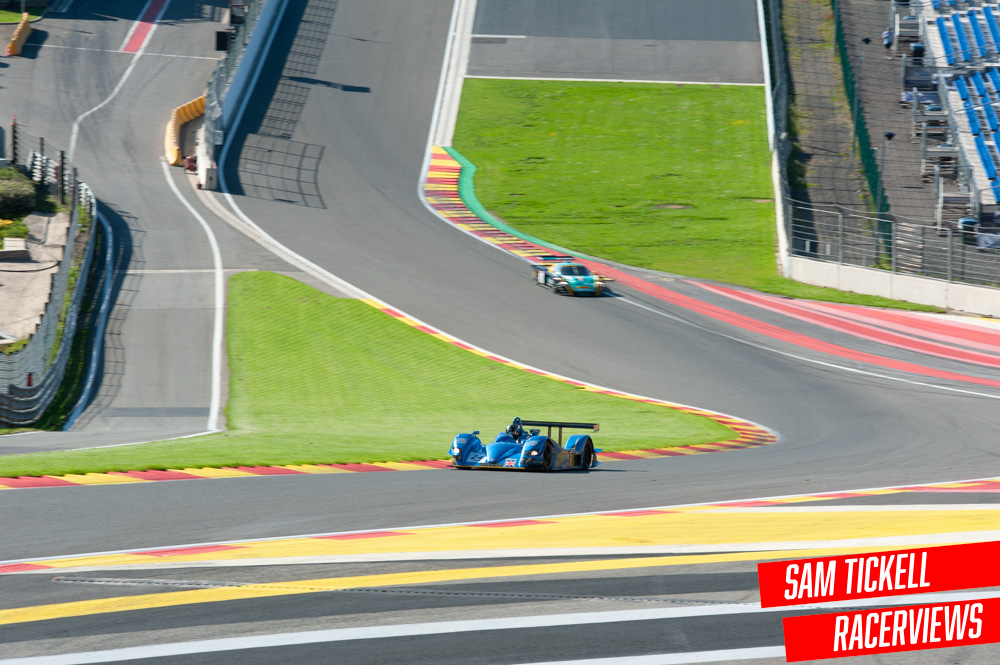
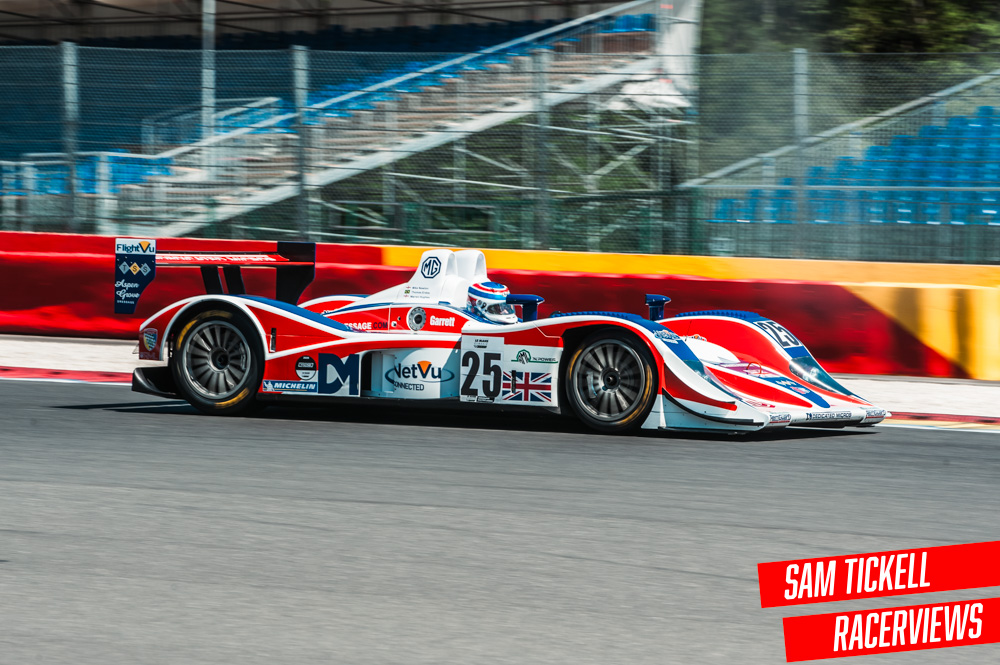
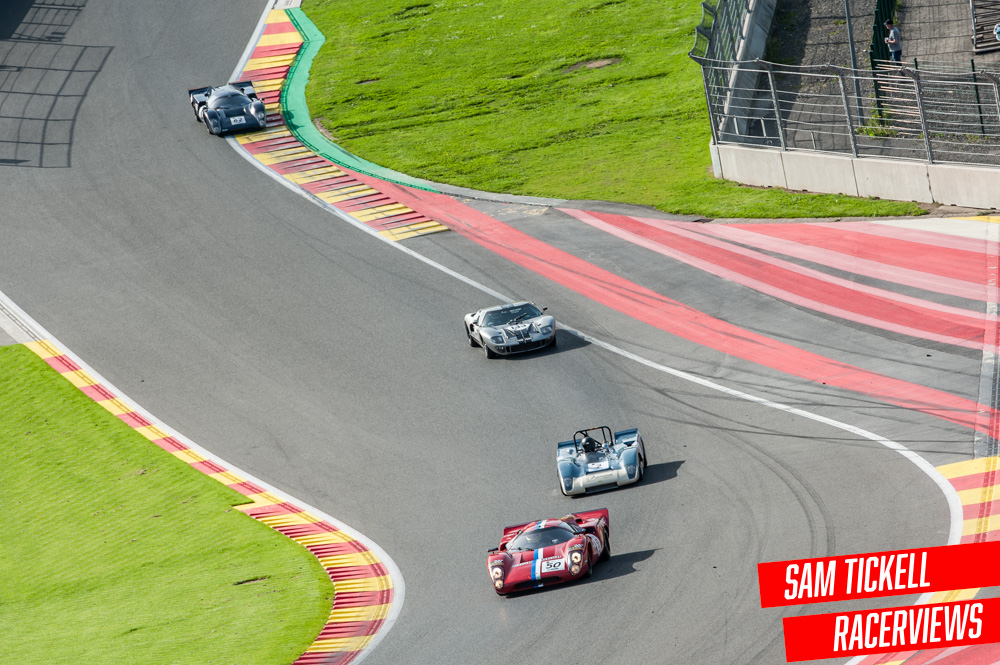
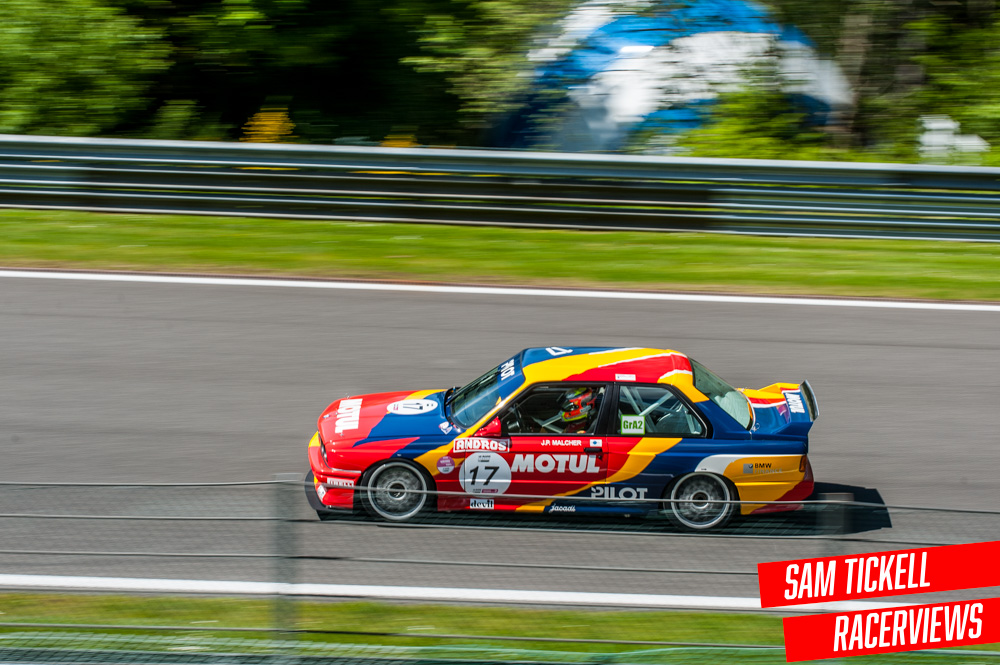
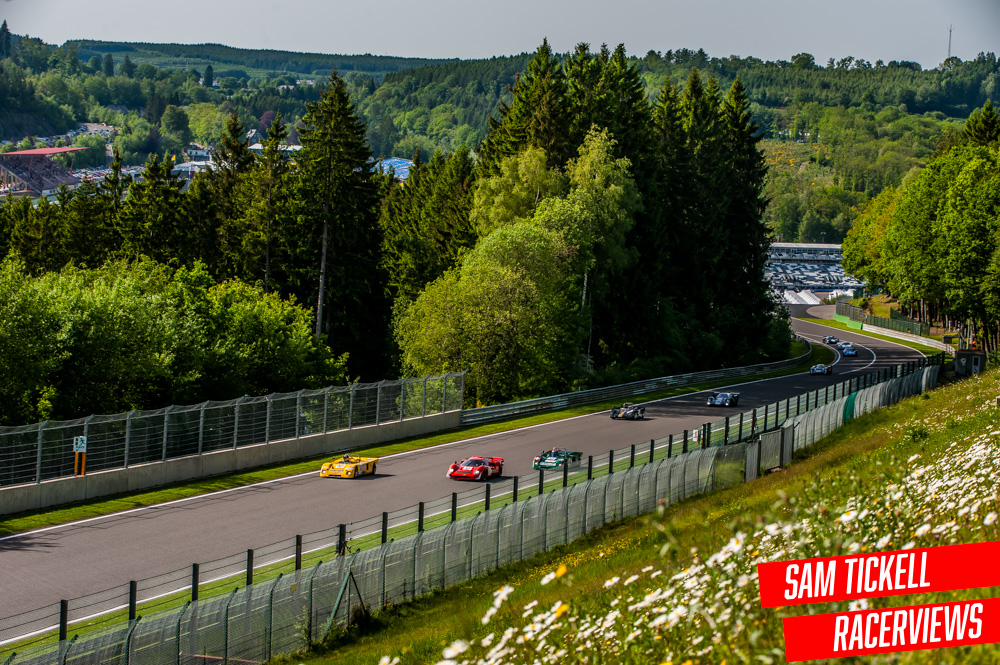
There are few places in motorsport that suit historic racing quite like Spa-Francorchamps. Long, flowing, and often unforgiving, the circuit gives classic machinery exactly the kind of stage it deserves: a venue where noise, speed and character matter just as much as lap times.
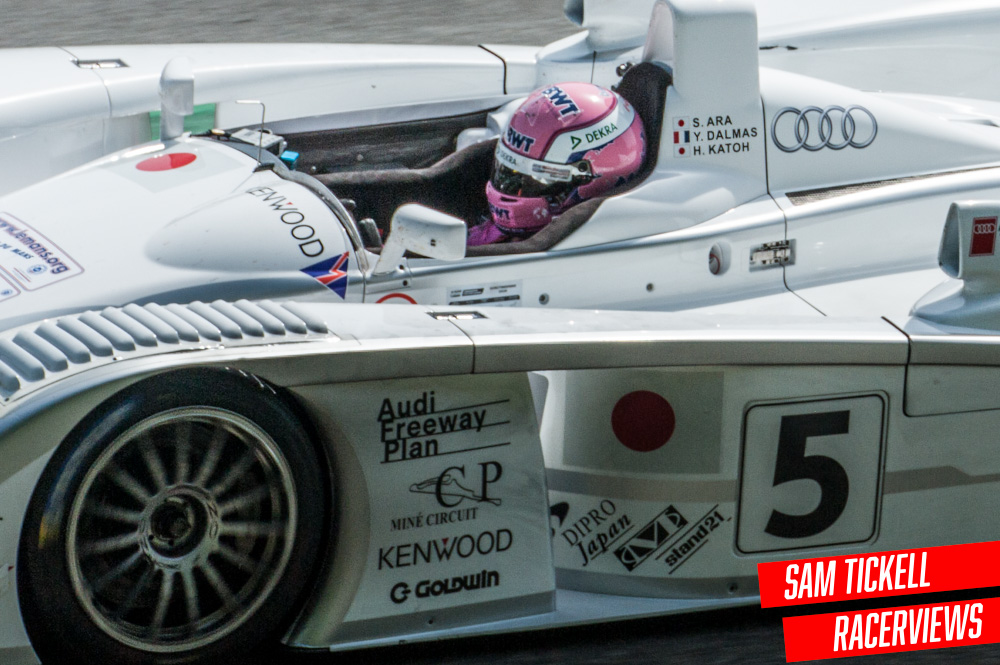
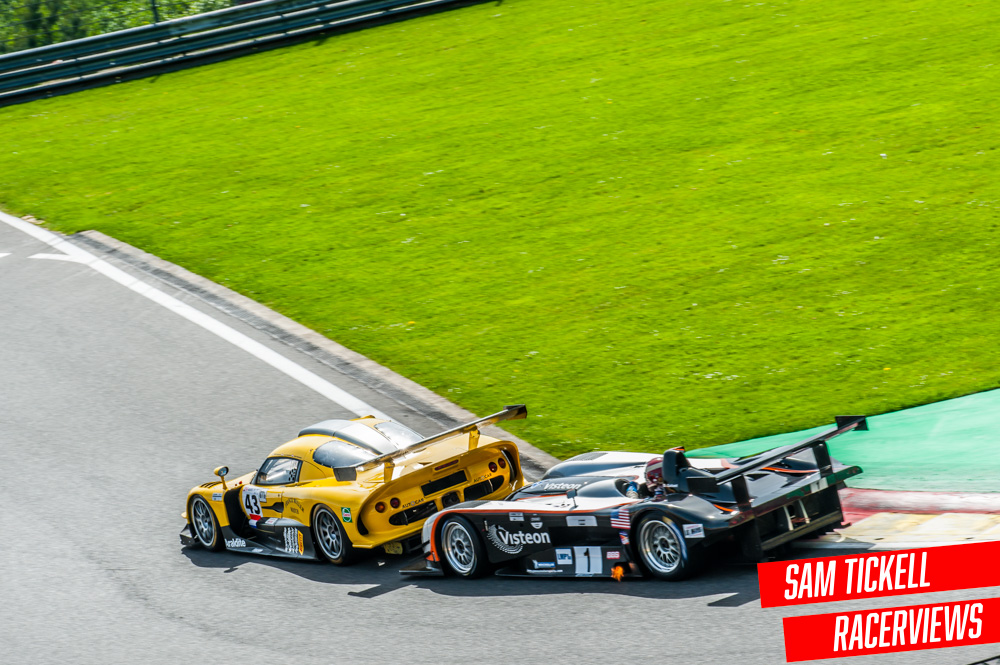
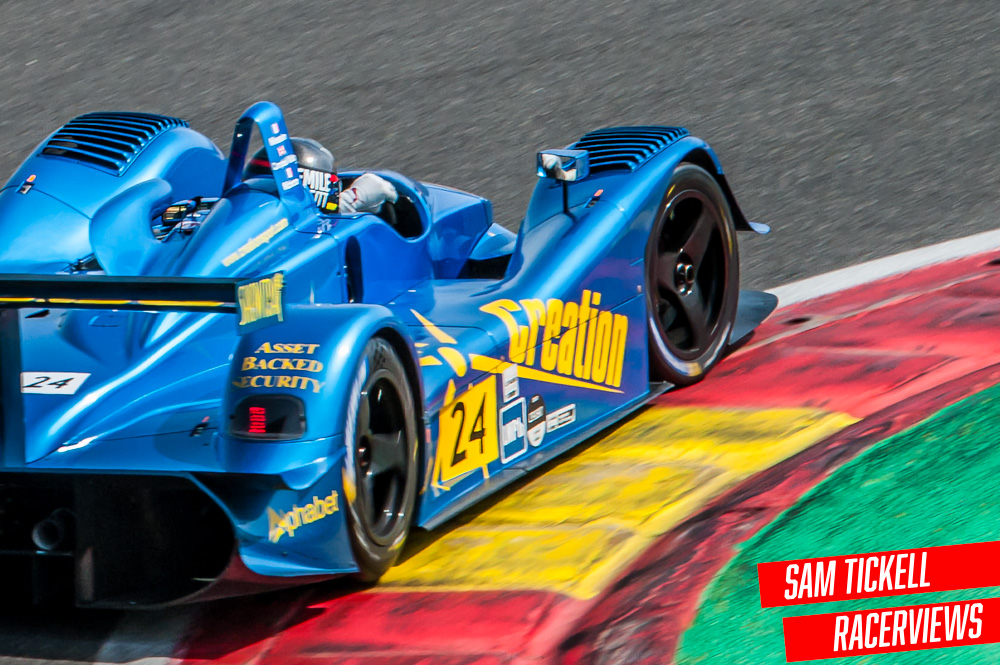
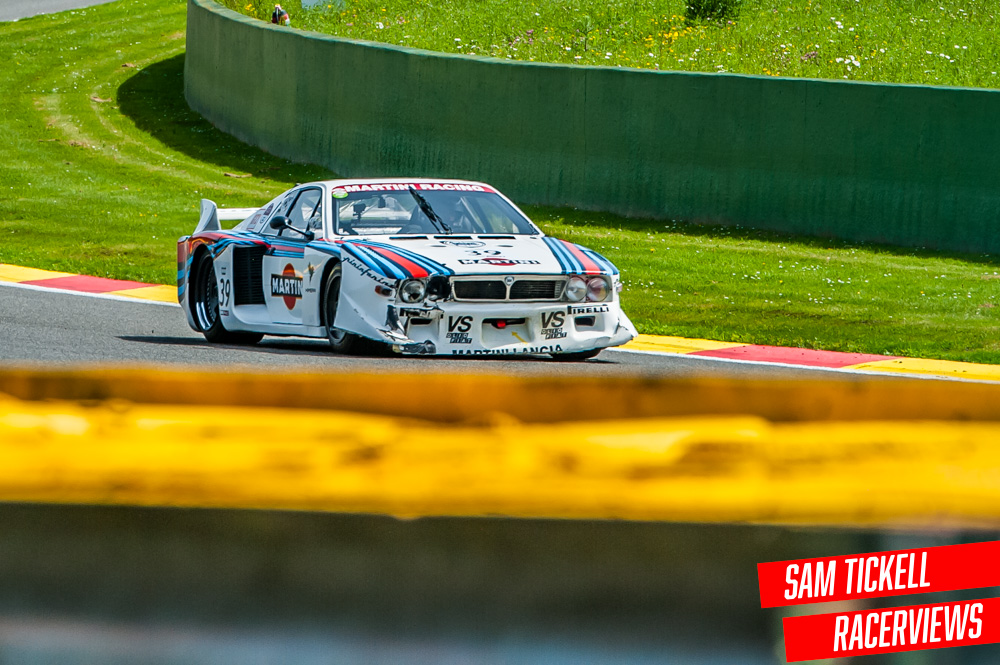
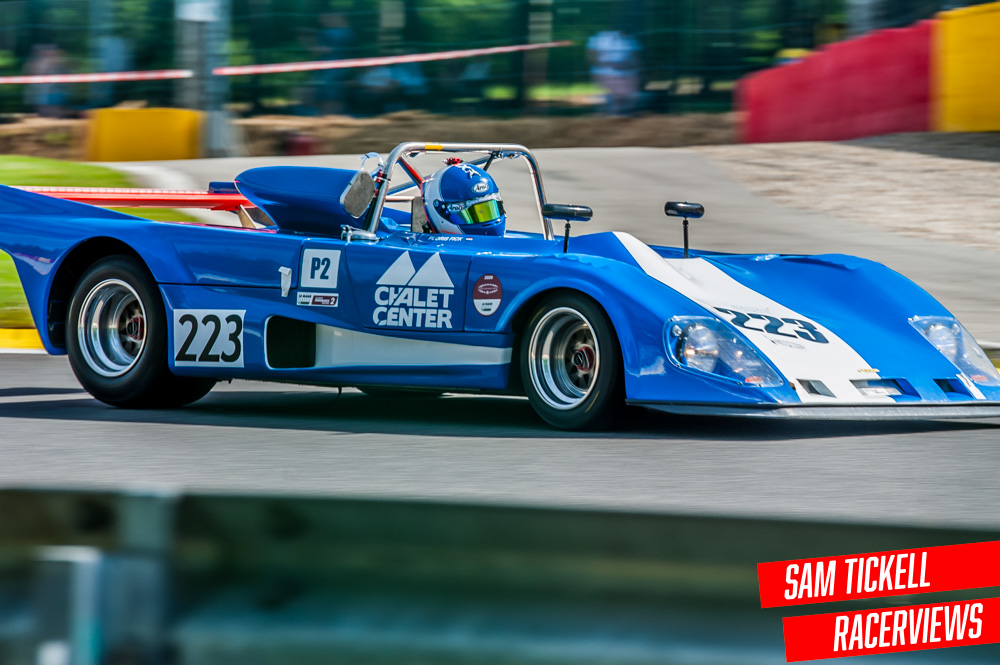
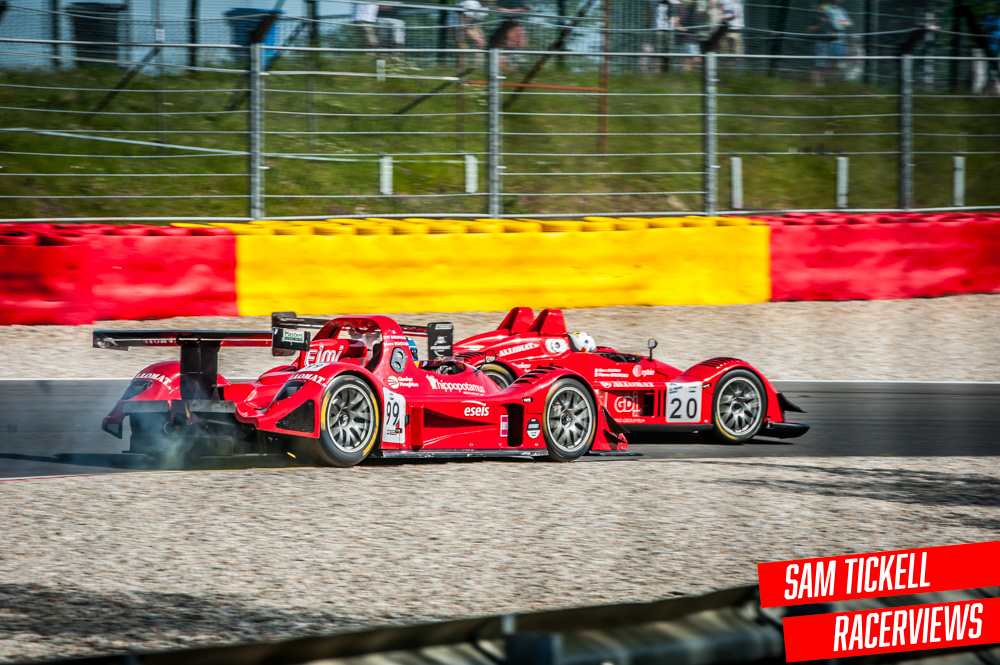
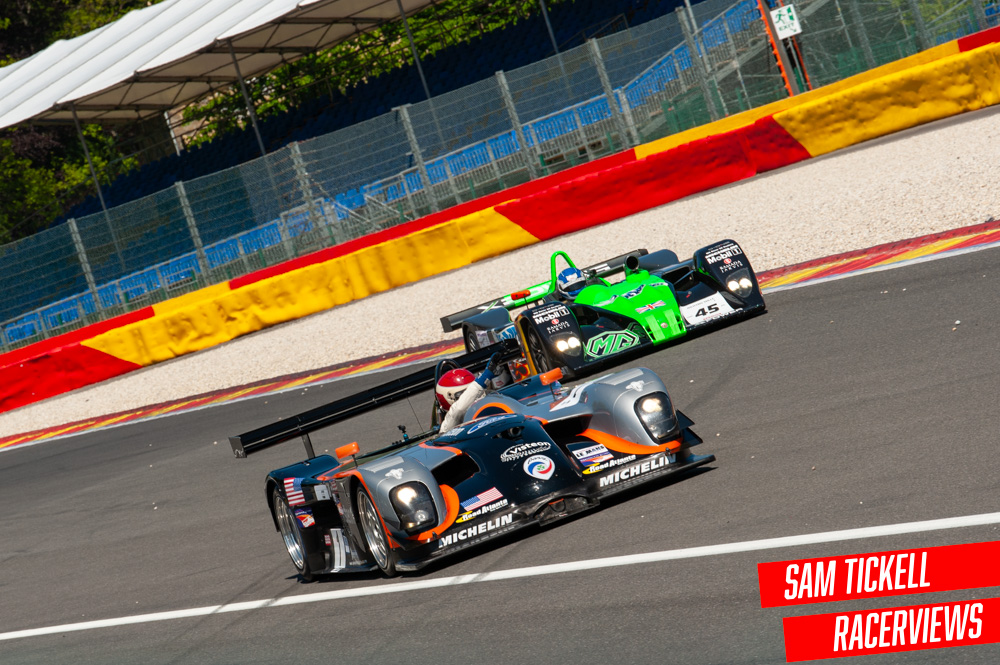
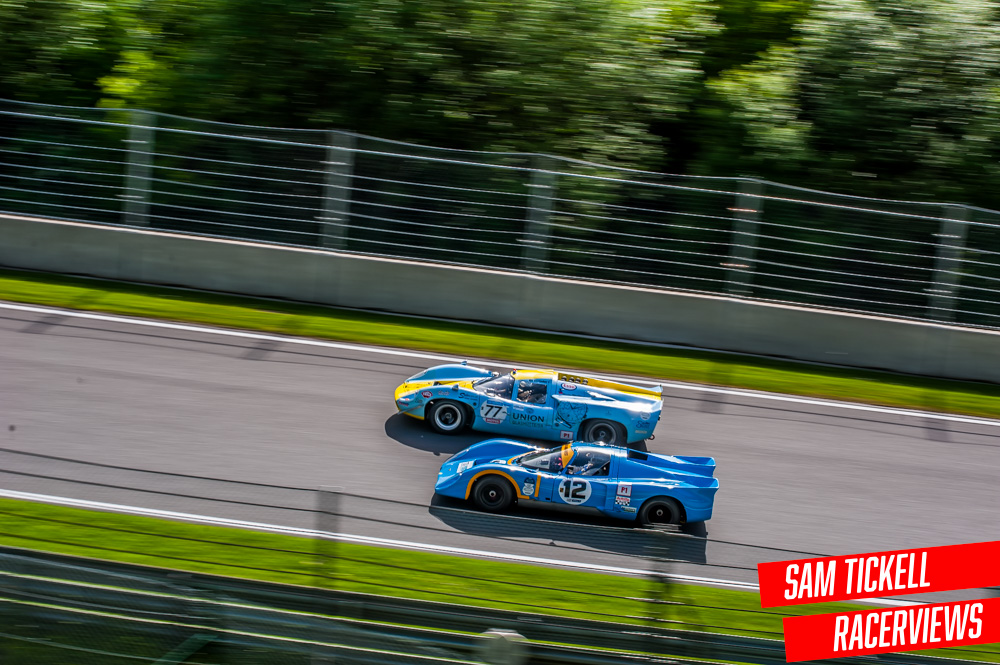
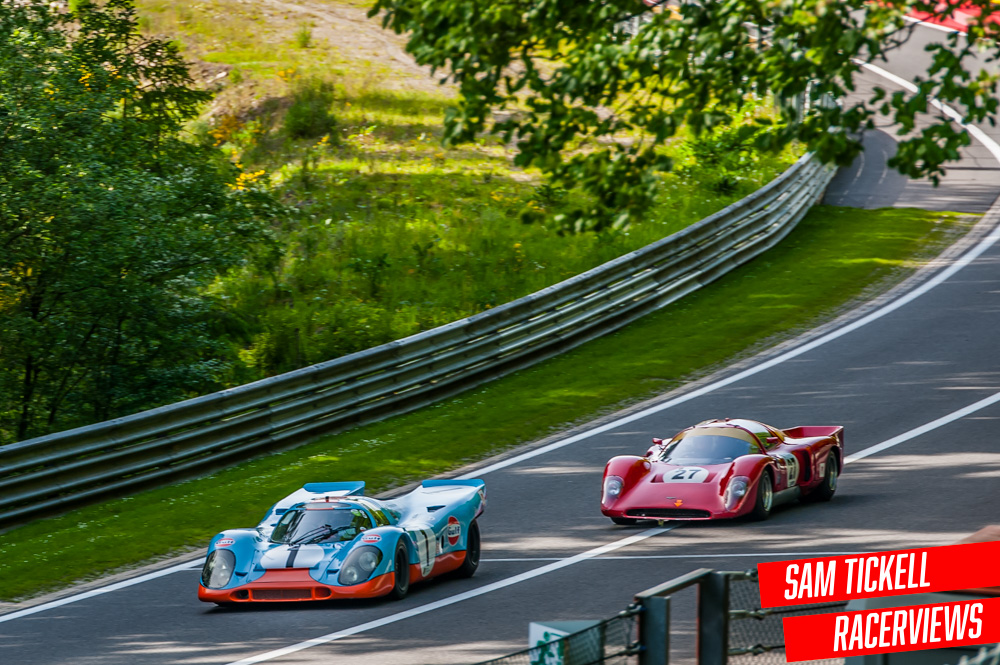
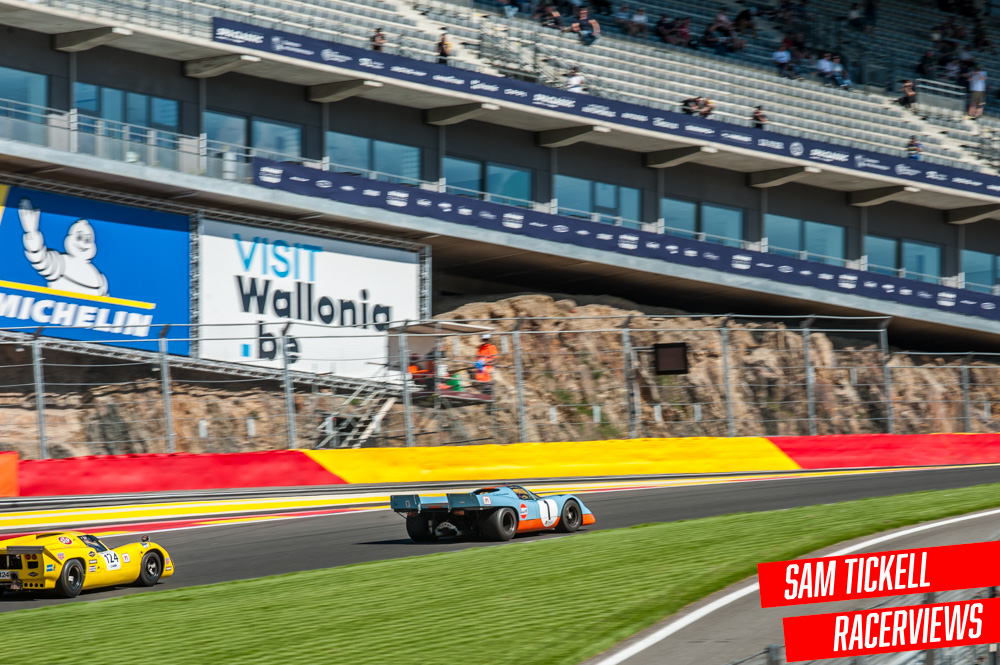
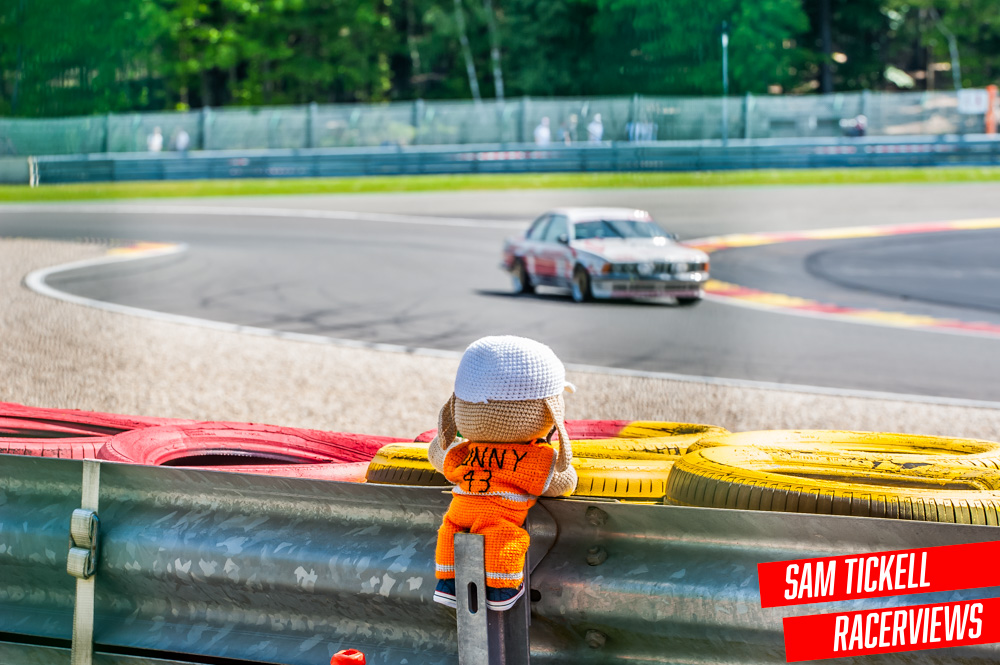
That was once again the case at Spa Classic, where the atmosphere was as much part of the event as the racing itself. Across the paddock and around the circuit, there was a strong sense of motorsport history being kept alive in the best possible way. From endurance prototypes to touring cars and GT machinery, Spa Classic delivered the kind of variety that makes historic racing such a compelling spectacle.
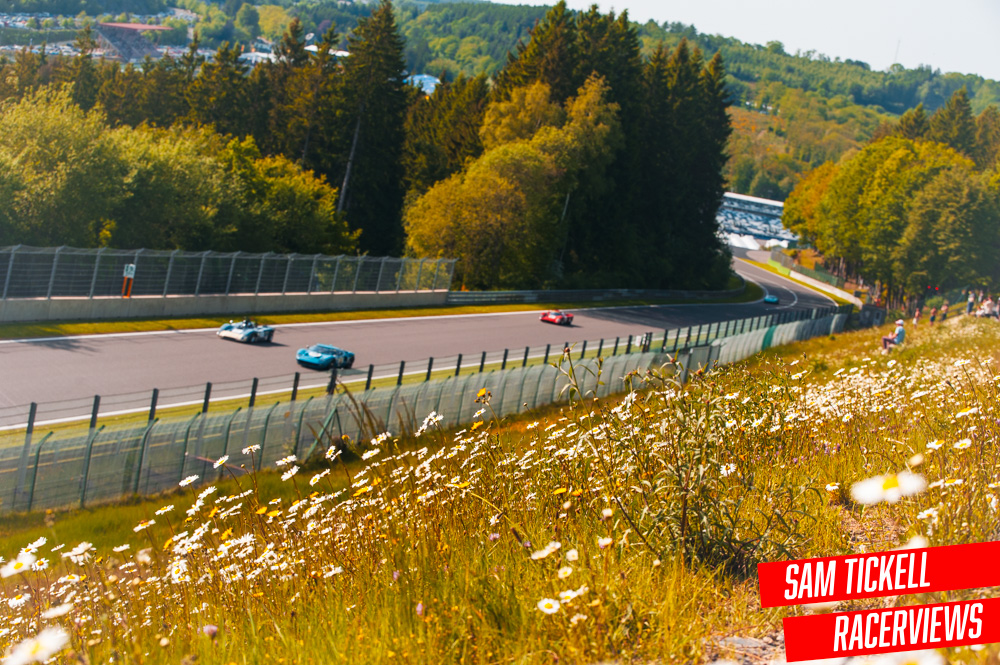
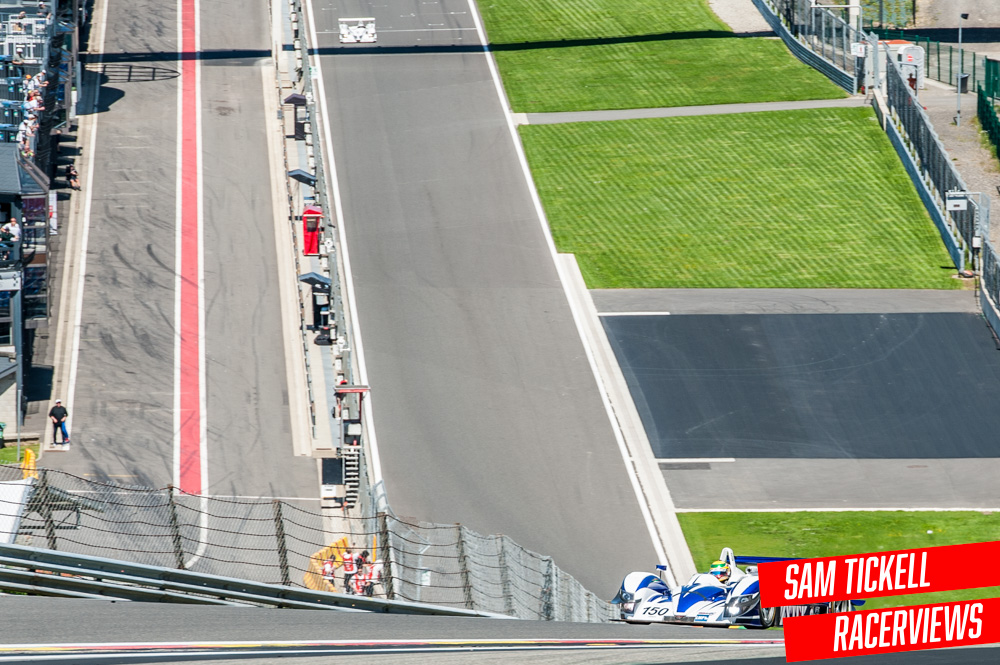
What stands out most about an event like this is not just the cars on track, but the way they are presented and appreciated. These are machines with stories, and Spa gives them room to tell them. The setting elevates everything. The undulations of the Ardennes, the speed of Eau Rouge, and the long blast down to Les Combes all combine to remind you that these cars were built to be driven hard, not displayed quietly.
There is also something distinctive about the crowd that Spa Classic attracts. It is a mix of enthusiasts, photographers, owners, and fans who understand that historic racing is about more than nostalgia. It is about preservation, competition, and the continued relevance of machinery that still looks and sounds alive decades after it first appeared.
For those covering the event, it is an opportunity to capture not just racing, but atmosphere. The details matter: open bodywork, period liveries, mechanics at work, and drivers pushing cars that demand a different kind of respect than modern equipment. Spa Classic offers all of that in one place.
And perhaps that is why it remains such a strong fixture on the calendar. It does not try to recreate the past. Instead, it lets the past do what it was always meant to do: race.