The penultimate act of the 2025 World Rally Championship arrives in the form of Rally Japan, an event that has come to embody both tradition and unpredictability. Staged in the demanding landscapes of Aichi and Gifu prefectures, with Toyota City as the service hub, this rally trades open-flowing asphalt for a complex network of narrow, barrier-lined stages that require extraordinary precision and nerve.
Title Fight: Toyota’s Narrative, Evans’ Moment
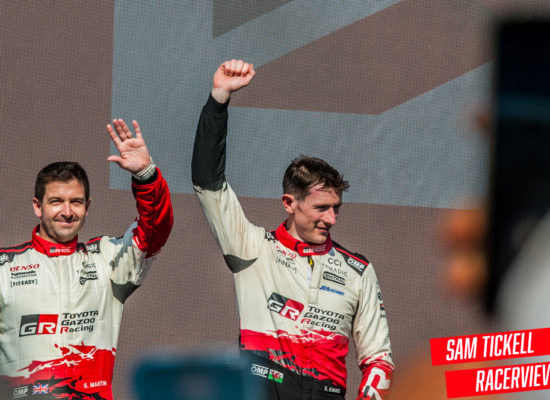
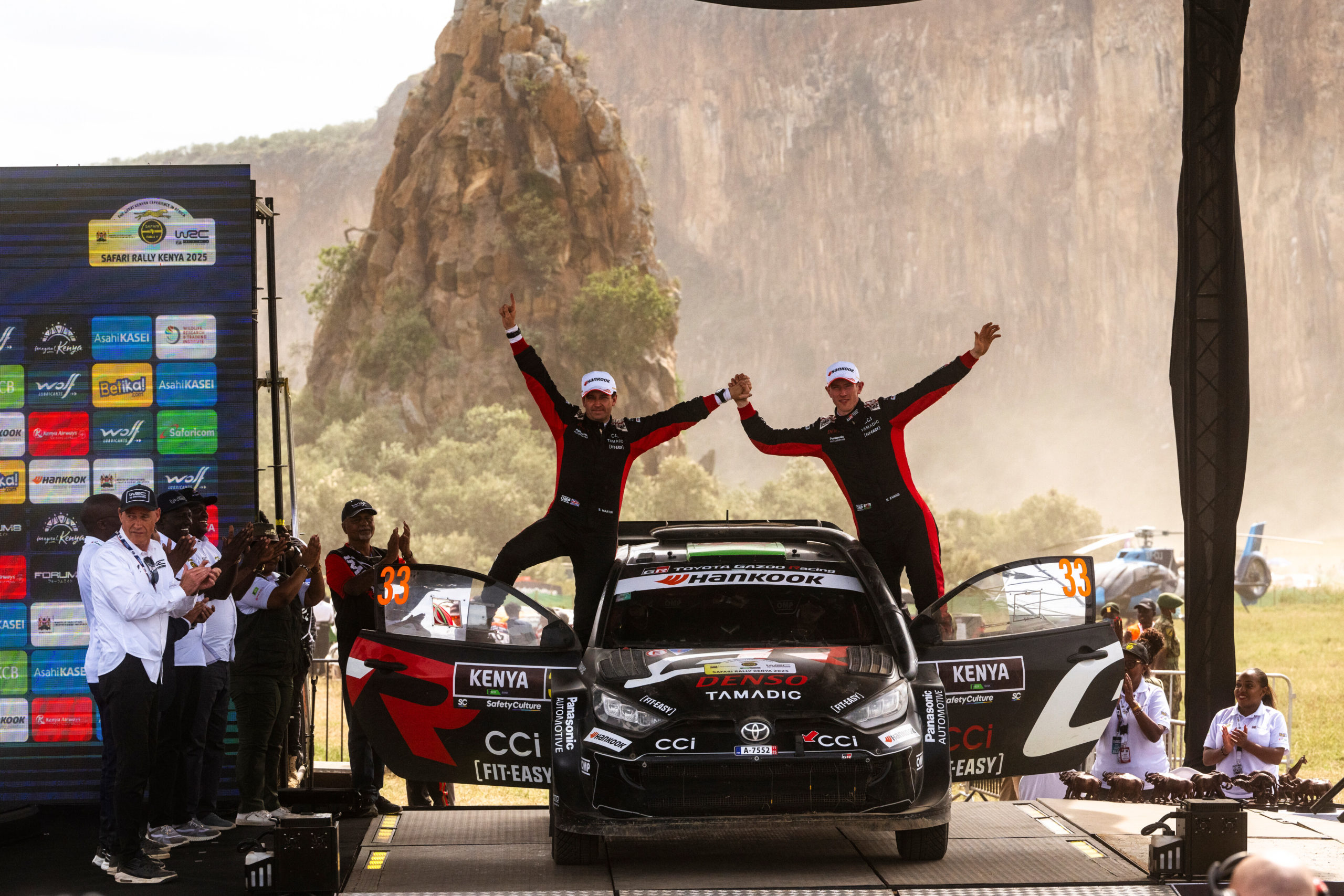
The championship story is deeply interwoven with Toyota’s homecoming—a manufacturer already crowned in the team stakes, yet still fiercely engaged in an internal duel for the drivers’ title. Elfyn Evans arrives as the reluctant favourite: quietly consistent all year, he now leads team-mates Sébastien Ogier and Kalle Rovanperä by 13 points. Evans has a strong record here—victory in both 2023 and 2024—but faces a renewed challenge from Ogier, whose late-season tenacity and Super Sunday points have kept the Frenchman’s campaign alive despite setbacks in Central Europe. Rovanperä, freshly emboldened by an asphalt win, remains a lurking threat, tied for second and ready to seize on any slip in the Japanese autumn
Beyond the trio, Takamoto Katsuta will be a focal point for the home crowd—an implication of both pressure and opportunity given his podium debut here two years ago. His flashes of speed have made him a cult hero, but yet he seeks his maiden victory. For Hyundai’s Ott Tänak, a mathematical but slim route to the crown remains, requiring not just victory but the misfortune of rivals
Deceptively Demanding: Rally Japan’s Challenges
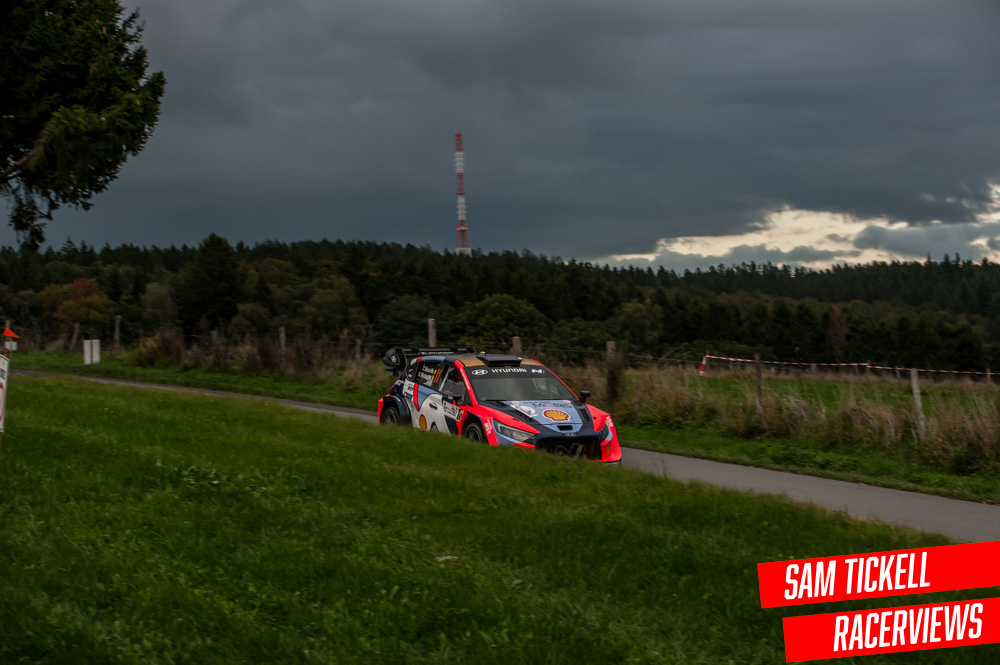
What sets Rally Japan apart is its technical tightness. The stages snake through dense woodland, over crests and along urban fringes, where a single error can end a championship campaign in metres. The asphalt is slippery, the grip levels constantly in flux, and the threat of autumn rains looms. Drivers must balance aggression against caution, knowing that fortune, and drama, tend to strike late in the day.
Tyre choice will prove crucial given the combination of cold temperatures and abrasive surfaces. The manufacturer test teams have worked quietly behind the scenes to prepare for Japan’s unique conditions—shifting the focus from outright performance to reliability and adaptability.
Evolution and Unpredictability
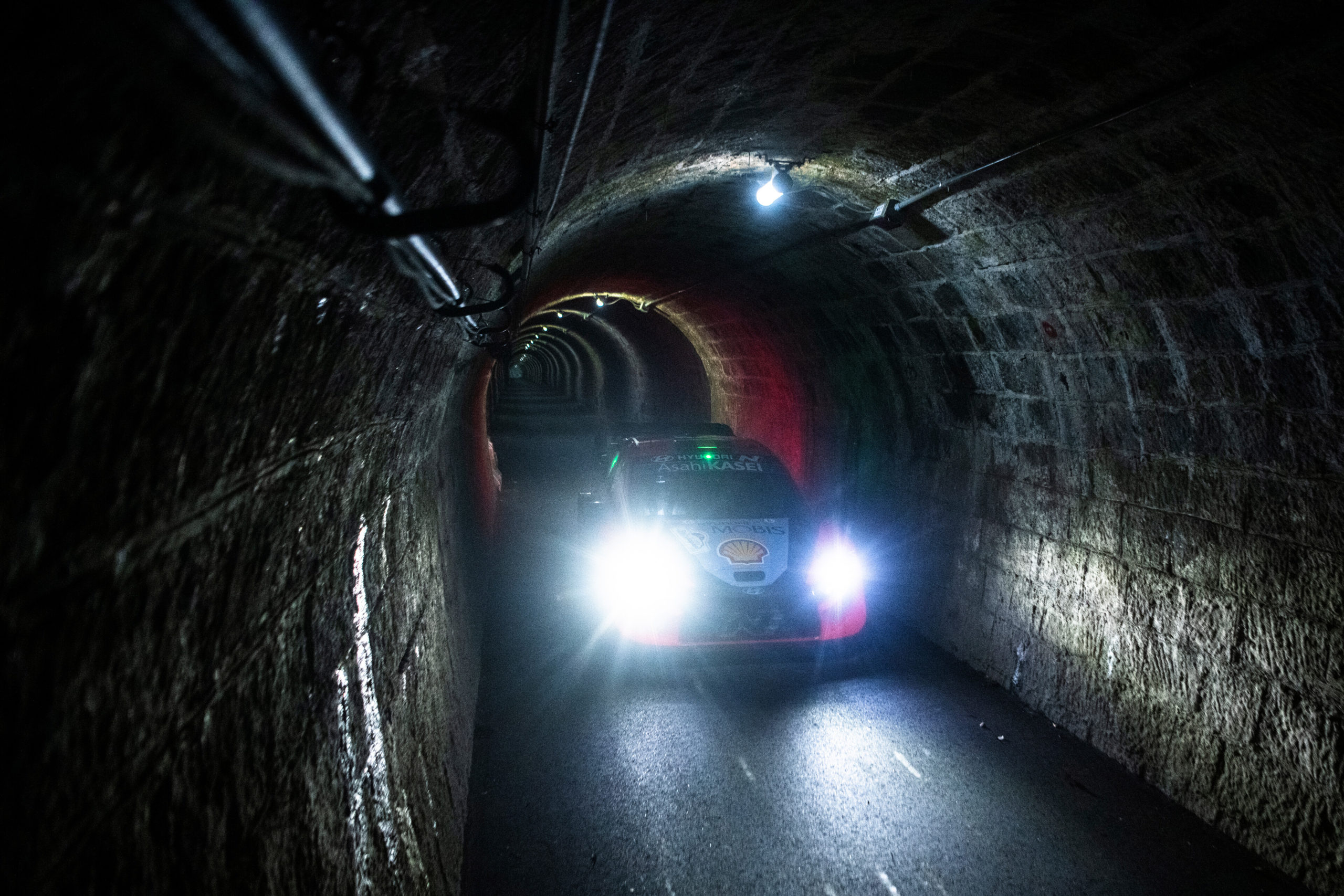
Much of 2025 has hinged on adaptability. Toyota’s sustained dominance speaks to the depth of its talent pool and sophisticated machinery, but the intra-team battle is now less about raw speed than psychological resilience. Ogier—eight titles deep—remains deliberate and calculating, while Evans seeks to shed the nearly-man label with a breakthrough triumph. Rovanperä is the disruptor: fast, occasionally wild, and unafraid to gamble, traits suited to Japan’s unforgiving roads.
Elsewhere, Hyundai and Ford arrive hoping to disrupt Toyota’s stranglehold. Tänak has reason to be bold—the Estonian and co-driver Martin Järveoja can take risks barred earlier in the season. The championship context allows for engine tweaks and set-up gambles, focusing on stage wins rather than the conservative accumulation of points.

Japanese Autumn: Local Colour, Global Stage
The event timing in November adds another layer of unpredictability. Local conditions are variable, with colourful foliage giving way to icy microclimates on exposed stages. It’s a rally where millimetres matter; the difference between glory and disaster is often no more than a clipped barrier or a missed apex. The local crowd expects spectacle, but in Japan that so often takes the form of tension, attrition, and the gradual crescendo of risk and reward.
Final Thoughts: Expect the Unexpected
In sum, Rally Japan asks the world’s best to thread the needle—balancing resolve with dexterity across 20 stages and over 300km of tarmac. With championship ambitions directly on the line and the WRC’s return to its most technical domain, every car, every co-driver, and every moment carries weight.
For connoisseurs, the Rally Japan preview is not a matter of predicting the likely winner, but of anticipating the ways in which the margins—psychological, meteorological and mechanical—will define the destiny of both trophies and reputations. Expect the expected, yes, but more importantly, prepare for the subtle drama that only the Japanese autumn and the razor-wire tension of a world title chase can provide.