The Rallye de Wallonie exemplifies the enduring dynamism of Belgian motorsport—a reflection of both regional roots and a forward-looking spirit. For over forty years, the Automobile Club of Namur has shepherded the event’s evolution, maintaining steadfast ties with Namur and its surrounding municipalities. The recent extension of this partnership to 2030 ensures the rally’s place at the heart of its city, embedding it even deeper in local tradition.
Heritage of the Rally
Few Belgian rallies boast a lineage as rich as that of the Rallye de Wallonie. The competition traces its roots to the golden age of regional motorsport, with Namur serving as both a cultural and logistical anchor. The rally has been refined over decades while preserving its signature blend of technically challenging roads, spectator-friendly locations, and an atmosphere that balances regional pride with national prestige. As the event enters its 43rd edition, its enduring appeal is reaffirmed through constant adaptation—most recently, by consolidating its support for the Comet VHRS regularity rally and streamlining competitive categories to focus resources and attention on Division 1.
The rally has long played a pivotal role in fostering both emerging and established talent, providing a stage upon which Belgian champions and international stars have tested their mettle. Partners such as Piragri, Gego Team, and Comet offer renewed support this year, enabling organiser Etienne Lerson and his team to further refine an event that has enjoyed near-universal acclaim for its sporting quality and organisational rigour.
Rallye de Wallonie 2026: Innovation & Renewal
On 25 and 26 April, the Rally returns as the fourth round of the Belgian Rally Championship, and the first BRC fixture in Wallonia to welcome Division 1 competitors. The course itself will see subtle modifications—details to emerge closer to the start—demonstrating the organisers’ commitment to reinvention without forsaking heritage.
A major change for 2026 is the departure of Division 2, a pragmatic move prompted by declining entries. Attention now shifts to the Comet VHRS, whose profile and importance have steadily increased. In response to persistent demand, the service park returns to Jambes—reinstating a setting rich in both atmosphere and history, after a less characterful period in Bouge. VHRS contestants will share the same route as the D1 rally, barring a shortened Sunday loop to ensure a timely finish in Jambes.
This revitalised format is expected to attract both regular teams and fresh entrants, reinforcing Belgium’s reputation as a fertile ground for regularity rallies and ensuring the event’s competitive richness.
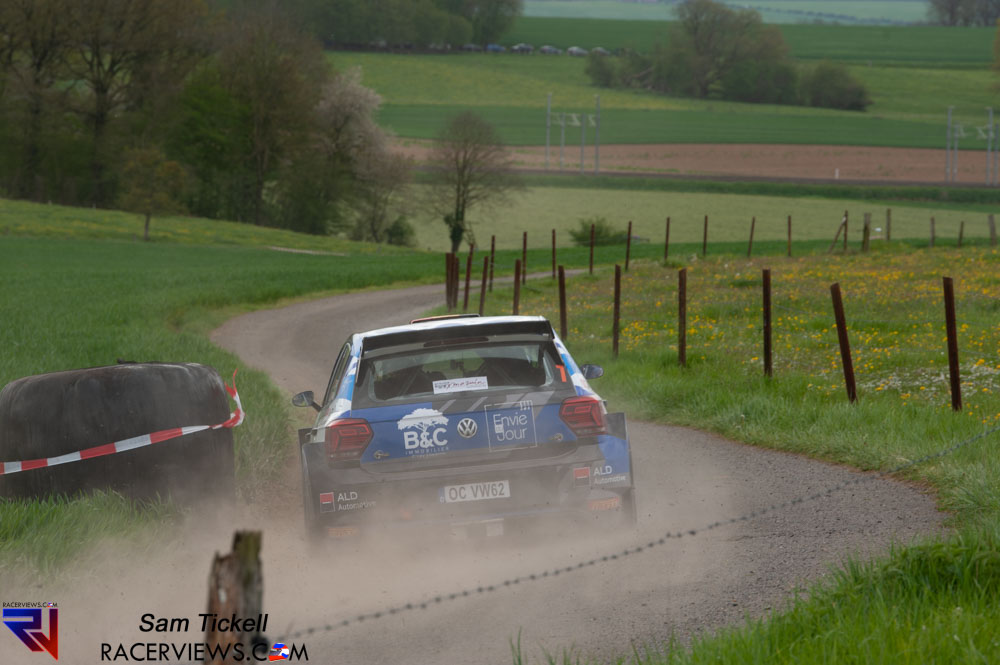
The Rally’s Future: Tradition Meets Modernity
The Rallye de Wallonie’s continued development reveals the organisers’ nuanced understanding of heritage and progress. With the event secured in Namur until 2030, there is both stability and the freedom to innovate—evidenced by constant course updates, evolving rally formats, and the balanced integration of regularity and speed competitions. Regulatory and logistical groundwork is almost complete, setting the stage for another successful edition and demonstrating the rally’s adaptability to changing sporting and social landscapes.
Looking ahead, the Rallye de Wallonie stands as a model for other European rallies: committed to its roots, responsive to its community, and animated by both the spirit of its past and its ambitions for the future