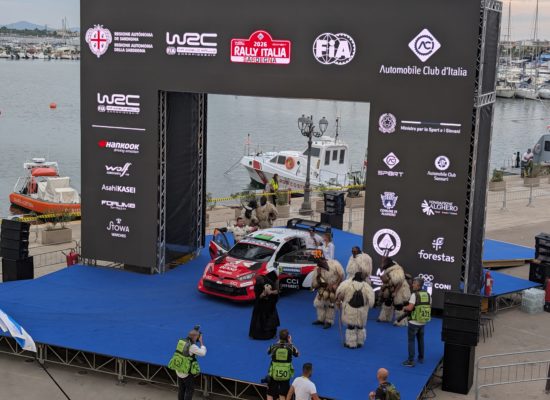
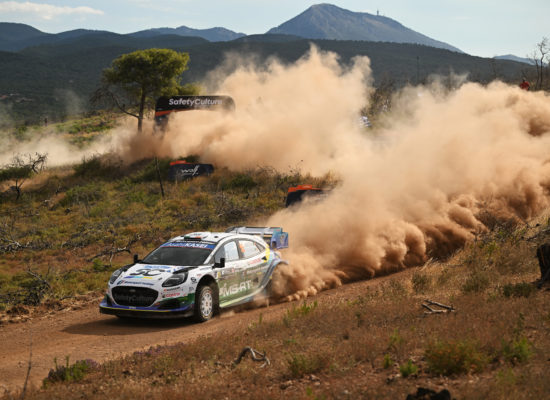
In part 2 of our look in to Hankook Tire, we delve into their WRC and rally heritage
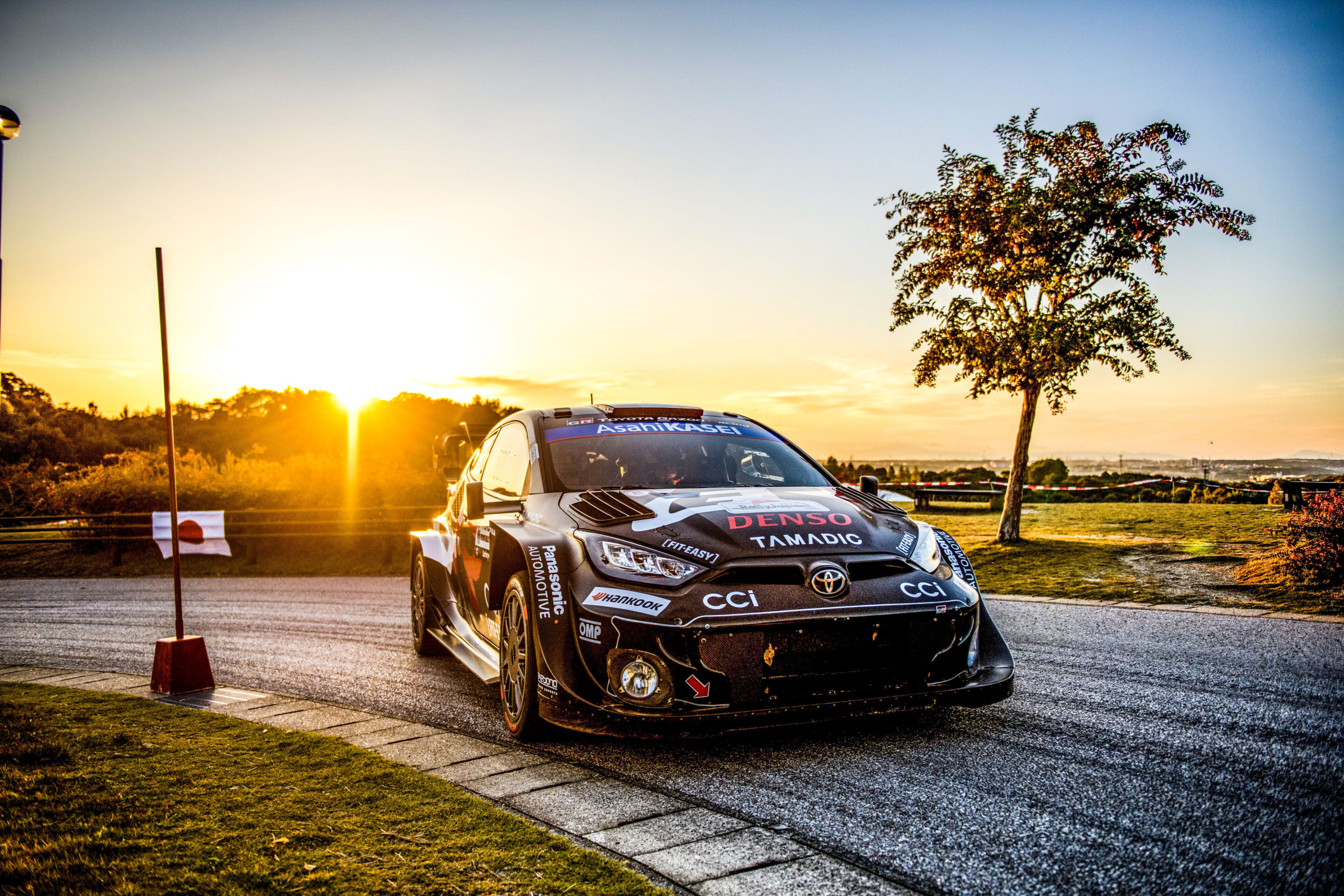
When Hankook set its sights on the FIA World Rally Championship, it was not merely chasing another motorsport contract; it was stepping onto hallowed ground, competing with brands whose names are almost synonymous with rallying itself. The challenge was immense, yet the ambition was clear. “If we think about the WRC outside of Pirelli and Michelin, this is the first time there is a supplier outside of those two brands. Of course, they are top of mind. They have incredible history, great products, you know, it’s a great brand. And so I believe that we’re already just starting now to be sort of considered in the same group as they are. We are a growing company, we’re very, very dynamic, very successful company. And so of course, our aspirations are continued to push upwards. But of course, you know, lots to still to grow and improve and to really get on the same level as far as the motorsports history is concerned,” notes Steven Cho, CEO of Hankook Competition, with evident pride in breaking into this exclusive club.
Yet such pride was never complacency.
For Hankook, rallying represented a stage upon which its technical credentials, adaptability, and even its corporate DNA would be exposed to a global audience, scrutinised against the most rigorous benchmarks. The control tyre contract for the WRC was not just about visibility—it was a test of engineering philosophy. “We think it’s an incredible marketing platform, but also a really valuable R&D platform as a technical exercise as well, to keep… to accept that challenge and to put ourselves out there,” Cho explains, underscoring the dual imperatives at play: to showcase the brand and to learn faster than ever.
See Part 1 here
If the brand’s prior motorsport endeavours had prepared it for rapid development cycles and targeted interventions, the scale and complexity of WRC was something new entirely. The technical stakes were heightened by the need for reliability and fairness. Cho observes, “We really wanted to make sure that the tire was safe, reliable, and able to allow the drivers and teams to compete on a fair plank. So what that means is, if we put it simply, we really wanted to have as to focus on the failure, failure rate—punctures, de-beading, things like that—which, again, is a part of the game. You can’t avoid it completely, but if we focus there, then, and as long as the tires are consistent and the same for everyone, then it’s up to the drivers and teams to compete, and that’s what everyone’s here to watch, right? So in a way, while we are here to develop our product and promote our product, we want the story to be about the drivers. We want the story to build a Neuville against Ogier and Hyundai and Toyota against Ford and all these sort of stories—not about oh, luck or unluck on a tire failure affected the competition is what we really wanted to avoid. And so… as performance is important as well, because that’s a part of the show as well, we really wanted to focus to make sure that we had a reliable and safe product.”
At the heart of the project…
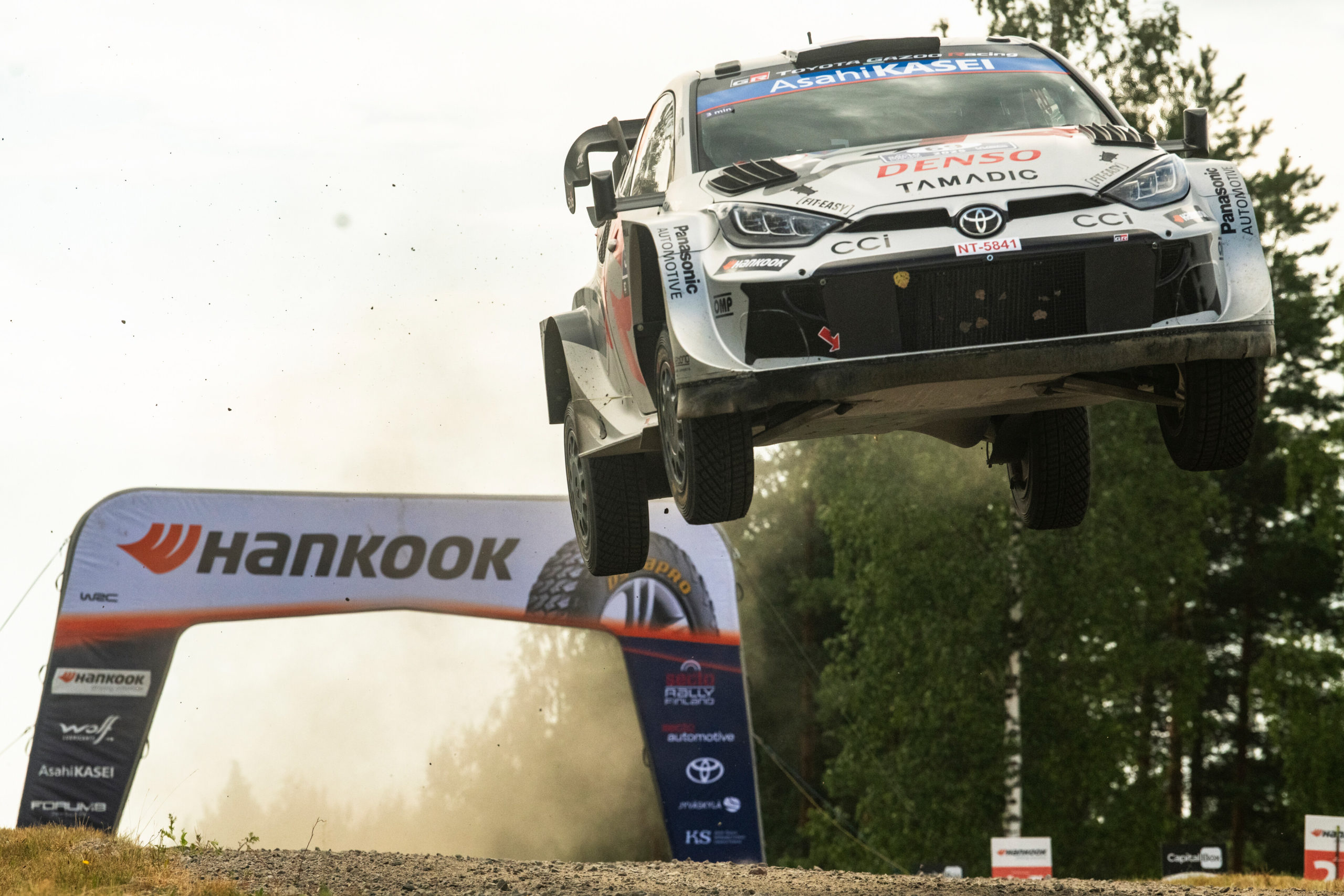
…was a commitment to transparency, collaboration, and learning—a marked departure from traditional closed-door practices. “Fortunately, we had very close collaborations, of course, with the FIA and also with the actual rally one manufacturers. So we sort of understood, looking at other examples, benchmarking other examples and other tire manufacturers that have come to the championship, we understand that despite best sort of intentions and a lot of preparation energy thrown at it, it can still go wrong… It was completely new, completely new. And in this kind of situation, no matter how well you plan, there are unexpected situations that come up all the time, whether that’s from, again, from a scheduling perspective or a logistical perspective. And so, yeah, it was difficult and it was ample. We had to sort of make it up as we go along. We had to be very nimble. Change your plans very quickly. Of course, not all of our prototypes worked the way we thought they would. And so then you have to pivot again. And so it was exciting, actually, but I think through it all, it was also a very good experience for us as an organization, to be able to live and survive and react and adapt in that kind of environment,” relates Cho.
Read about Michelin here
This partnership approach—working out in the open with rally teams and governing bodies—was transformative not only technologically, but also socially. “It was really good to have built a working relationship… our goals are aligned, right? We all want to bring a good product that allows them to perform at a high level. We want the product to be robust, consistent, safe, and so we all have the same target wall, all pulling in the same direction. And so… when things don’t go as planned, or when things don’t go perfectly, it is an opportunity, right? How we collaborate with them, how we communicate with them. I think it was very constructive. The manufacturers and the FIA were very supportive and very open, because again, we’re all in the same boat, in the situation. And yeah, and so sometimes you have, you have to be direct, and you have to say, no, wrong direction, thank you. But again, that’s a part of motorsports, and I think it was very positive and very collaborative.”
The technical complexity of rallying required not just a single product, but a portfolio: “We have our tarmac tires in two specifications. We have our wet tire, our tarmac wet tire, I should say we have gravel specifications in the hard and soft across different sizes for the different categories. We’ve got our studded snow tire and our Monte Carlo specific studded tarmac tire as well, so that across the different categories. Well, I can want me to add it up for you. It’s, it’s a lot, yeah, it’s a lot of specifications. If you count all the different sizes as well,” Cho details. Preparing for a championship like WRC is, above all, an exercise in scale: for each medium-to-large rally, over 3000 tyres must be supplied, each tailored for the nuanced demands of that week’s surface and conditions.
Testing regimes, too, break the bounds of the hypothetical. “What I can definitely say is several thousand [kilometres]… I’ll say, you know, 3,000 plus. But I hope that your fact checking doesn’t show me completely off, but it was a lot,” Cho acknowledges, when pressed for pre-season data.

The project’s launch phase…
…Monte Carlo, Sweden, Safari, and beyond—provided a real-world crucible, revealing both strengths and the need for iterative improvement. “I’d say there’s still a long way to go, right? So the start definitely could have been worse. I’d say we’re doing about as well as we had thought we could be able to do. So again, there hasn’t been many complaints about the tyres. There hasn’t been too many issues with quality or failures. There hasn’t become an issue saying that the tire is an issue. And so I think it’s been very successful and very positive. Of course, we have a long list of homework that we can make incremental improvements on the product and how we execute and how we support the teams here, but that was expected to be so. I think we’re very, I guess, happy and proud that we’ve had such a successful start. I was told by somebody that somebody somewhere had done a basic analysis, historical analysis, and that our start to the season has been, you know, statistically, very, very successful. Somebody else did that analysis and told me, and I don’t really dwell on it very much, because, as I said, we’re just getting started…” Cho summarises.
| Year | Milestone/Event | Description | |
|---|---|---|---|
| 1992 | Developed first Korean motorsport tire | Launch of Z2000 and entry into motorsports competitions . | |
| 2000 | International Rally Participation | Entered rally races in Greece and Italy . | |
| 2013–2014 | Junior WRC Supplier | Commenced as the official tire supplier for FIA Junior World Rally Championship . | |
| 2014 | WRC Official Supplier | Became an official supplier for the FIA World Rally Championship . | |
| 2025 | Exclusive WRC Tire Supplier |
|
With Hankook’s integration into the WRC now well underway, the brand’s focus remains on steady incremental improvement and becoming a mainstay of rallying’s narrative, not as a protagonist chasing headlines, but as a robust technical partner supporting the sport’s drama. “We just want to know that, you know, we’re in the background developing our technology and supporting the show and helping to put on a good show for the fans around the world,” says Cho, perfectly encapsulating Hankook’s philosophy as it aspires to make rally tyres not just reliable, but nearly invisible to controversy—a foundation for motorsport’s heroes, not its headlines.
The RacerViews info
With Sam Tickell
We are passionate, dedicated motorsport professionals.
In 2025 you will see us trackside and stageside with exclusive coverage of
- The World Endurance Championship
- The World Rally Championship
- Belgian Rally Championship
- British GT
- British Rallycross
- and more!
We aim to bring you interviews and photos you won’t see anywhere else. We don’t aim to break the news, rather we aim to bring the voices of the racers to you and the atmosphere of the event to you at home. Our social media presence on Facebook, Twitter and YouTube bring you more, a holistic experience. We partner with racers and professionals in the industry and give back where we can. If we can help you or you have a story to share, please contact us.