The FIA World Endurance Championship’s Hypercar era has entered its next phase: established programmes are evolving, Ferrari is preparing to close one chapter with the 499P, and McLaren and Ford are preparing to join a grid that has become unforgivingly competitive.
For Peugeot Sport, the 9X8 Evo represents more than a technical update. For Ferrari, the final season of the 499P carries both sporting pressure and emotional weight. And for the newcomers, 2027 is an opportunity to enter a category where there is no longer an easy route into the midfield.
Peugeot: an opportunity to reset
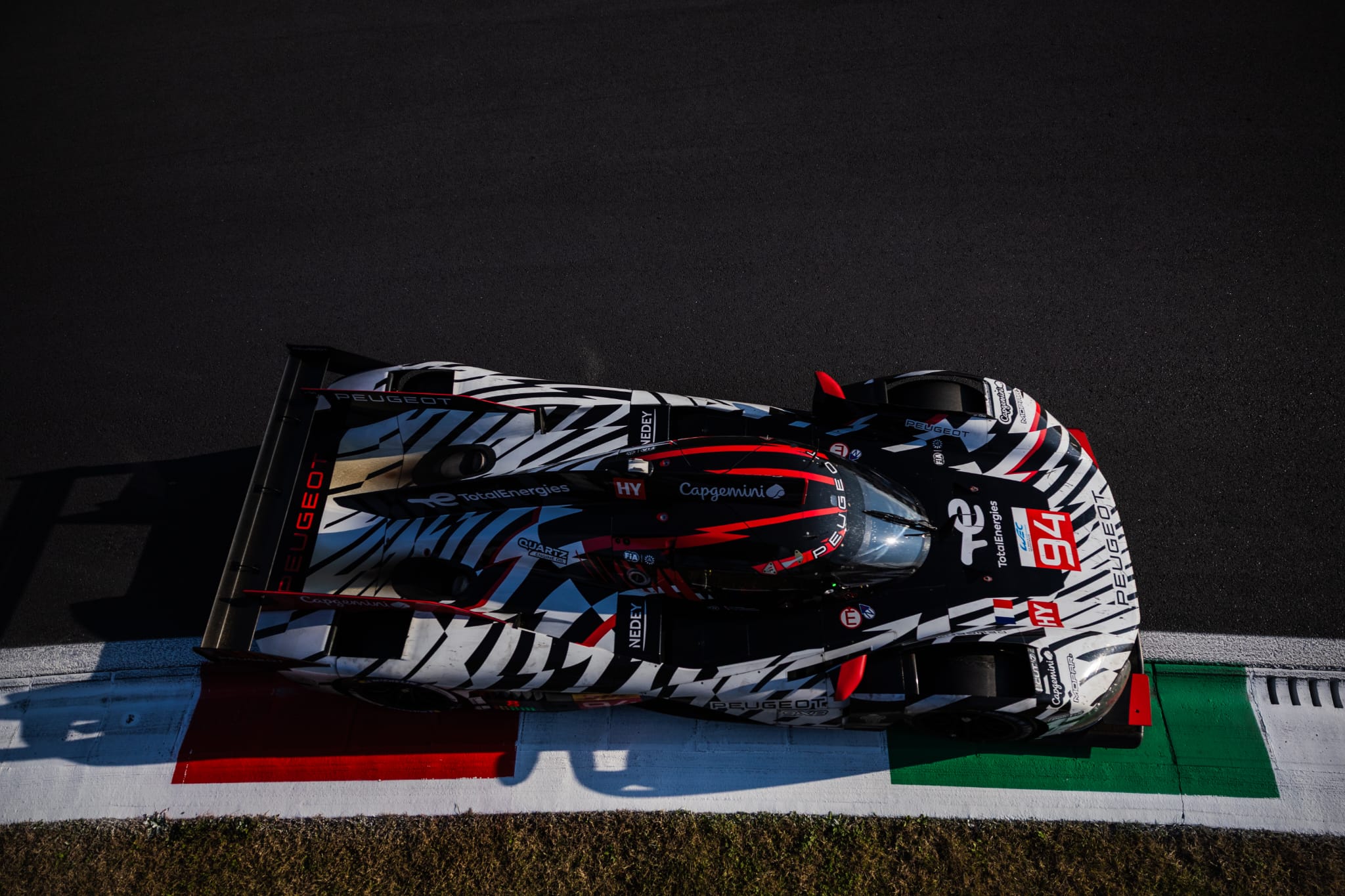
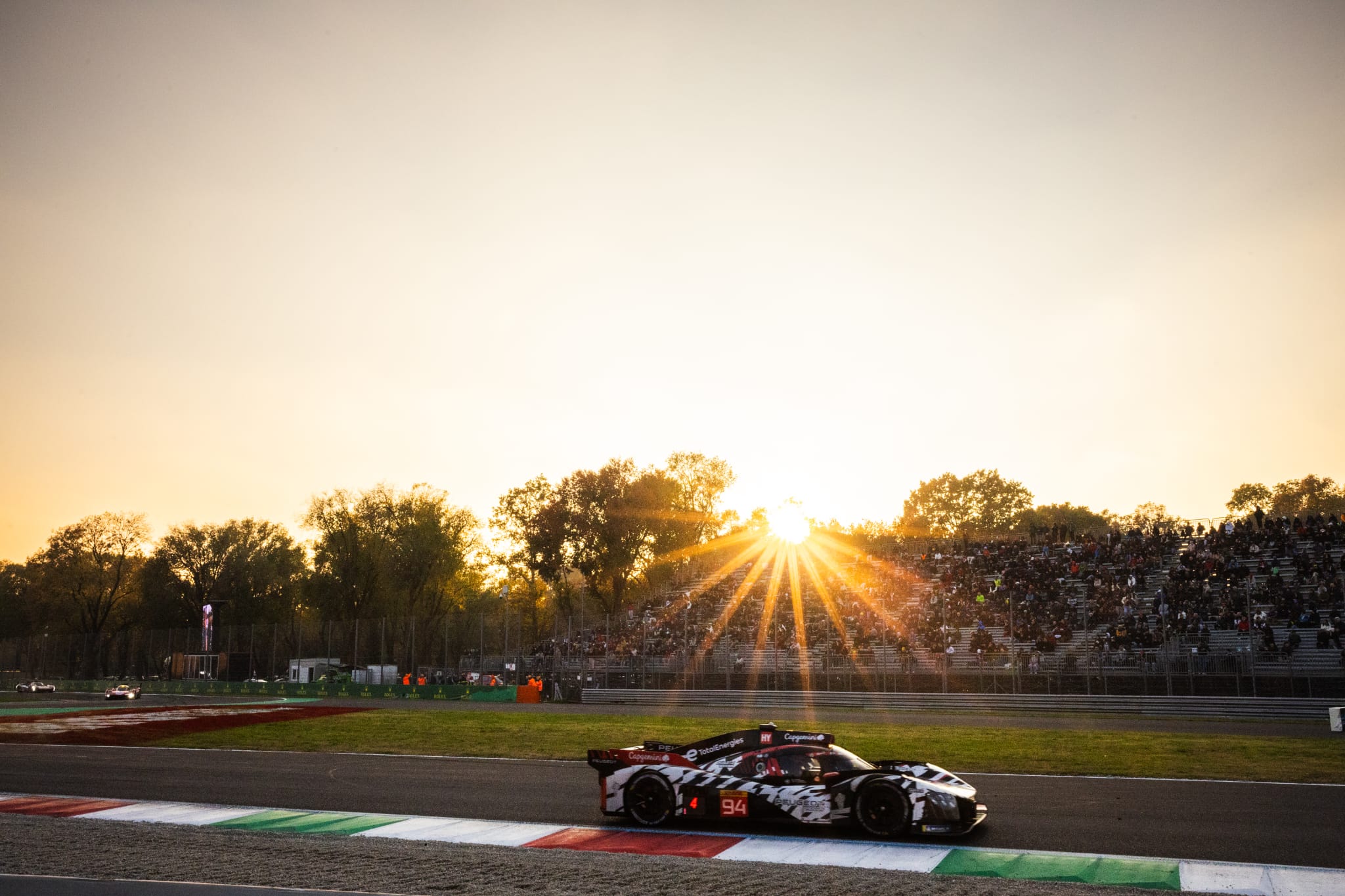
Peugeot Sport team principal Emmanuel Esnault frames the 9X8 Evo as a chance to look inward as much as outward. The updated car is intended to give the French manufacturer a clearer platform from which to address its weaknesses and re-establish its ambitions in the Hypercar class.
“An evolution of the car is an opportunity,” Esnault said. “It’s an opportunity to reset your ambitions and also to have an introspection of yourself, your organisation and set respective targets.”
That candour matters. Peugeot’s 9X8 has shown flashes of potential, but it has not yet consistently delivered at the level the marque expects. Esnault was direct about the task ahead.
“We know where we are strong. We know where we are weak and we need to work on that,” he said.
Nick Cassidy’s arrival adds both experience and expectation. The New Zealander has raced at the front of world-class categories and understands the scale of the challenge facing Peugeot, but he also sees reasons for optimism within the team.
“Our team [will] be excited about it. There’s a great atmosphere there,” Cassidy said. “Everyone’s going to keep pushing on the elements and we just try to keep making things better.”
Cassidy’s assessment was measured rather than triumphant. He acknowledged that the WEC Hypercar field leaves little room for incremental progress to go unnoticed.
“We know the level here is very high. All the manufacturers are working to get better all the time,” he said. “For sure there’s an element of performance that we can improve and I’m sure there’s other departments that we can look at as well, just to try to be more efficient, make less mistakes in races, improve our strategy and things like that as well.”
For Peugeot, then, the Evo is not simply a new car. It is a full-programme reset: technical development, operational discipline, strategy and execution all need to move forward together.
“So, as a total package, as a manufacturer, we try to be better in all areas come next year,” Cassidy added.
Peugeot’s wider mission
The 9X8 programme also carries a significance beyond the racetrack. Peugeot is competing in a category populated by luxury, performance and prestige manufacturers, but Esnault argues that the brand’s identity gives its WEC presence a different meaning.
“Peugeot is a French brand existing for more than nearly 200 years and it’s a mass-production manufacturer,” he said. “It’s important to be there and to show that we can, on the same frame of regulation, fight against them and demonstrate what we can do technically and sporting.”
That is the central appeal of the WEC’s Hypercar formula. It allows manufacturers from different market segments to compete under common technical rules, turning the championship into a global proving ground for engineering, branding and sporting credibility.
Esnault also stressed that the 9X8 Evo cannot be treated as a purely technical exercise.
“It’s a global project,” he said. “It’s a technical project, a marketing project, the communication project and the project for the brand. So it’s a holistic approach with it. And the most important is to have a package able to deliver performance.”
Driver selection remains one of the final pieces of the puzzle. Peugeot has two newcomers in Alex Quinn, who has already completed two races alongside Kenta Yamashita and Robin Frijns, and the team is still working to assemble the strongest possible line-up.
“It’s always a compromise between performance [and] alchemy between them and that’s what we’re working on,” Esnault said. “The plan is to have this jigsaw as complete and as competitive as we can.”
Ferrari: one last dance for the 499P
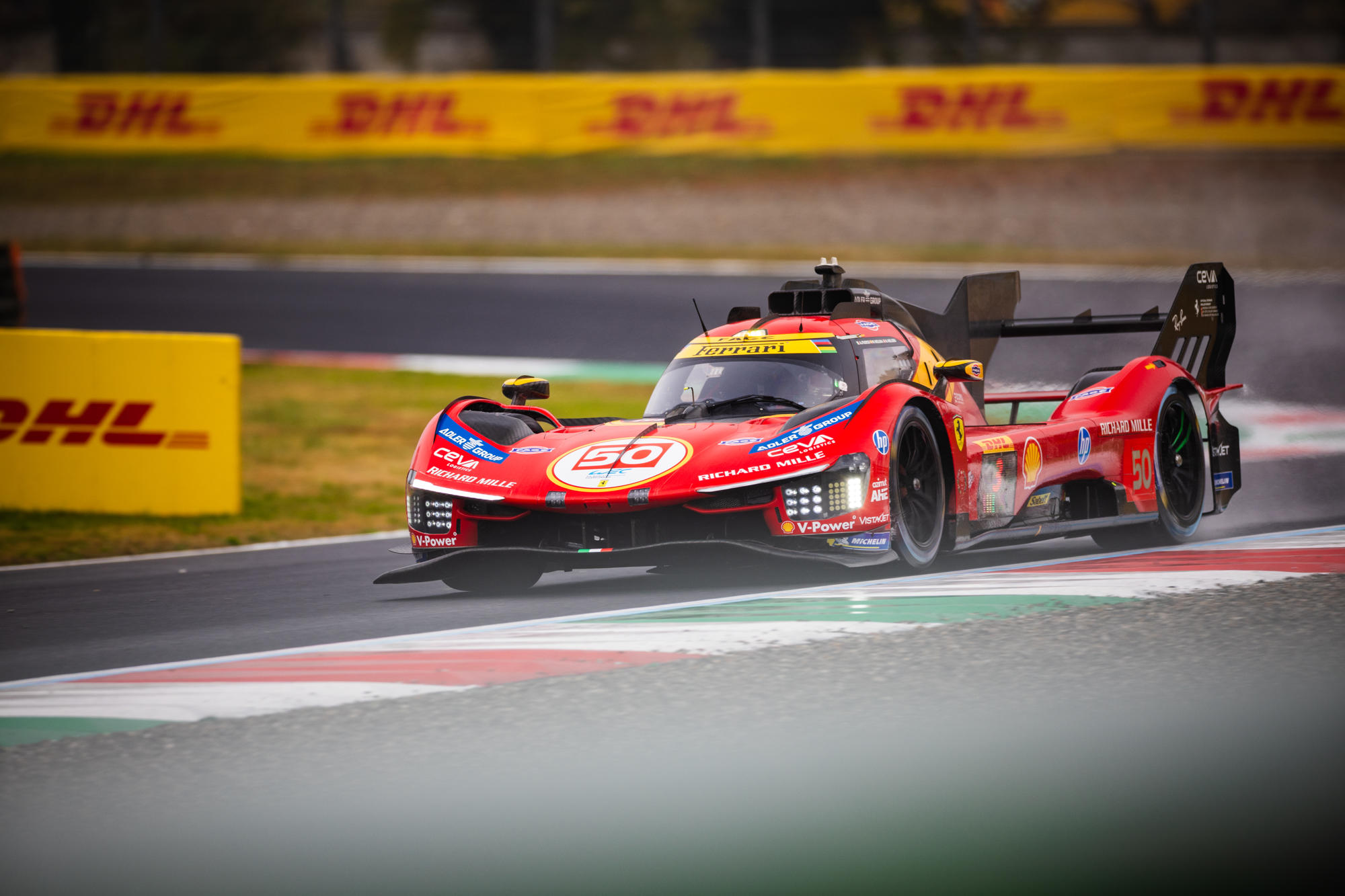
Ferrari enters the final chapter of the 499P with a record that few programmes can match. The car has been a defining force of the Hypercar era, winning three consecutive Le Mans 24 Hours and helping establish Ferrari as a genuine championship contender from its debut season onward.
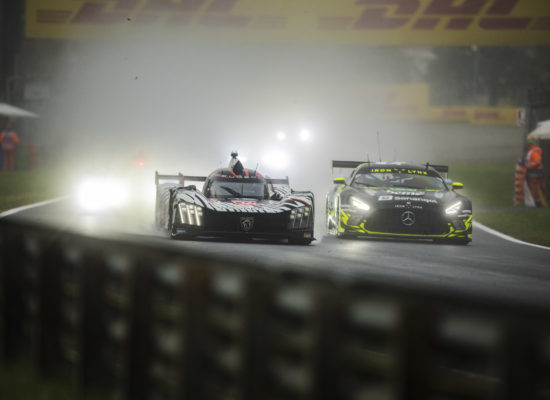
But the 2026 campaign has also demonstrated how quickly the category has matured. Ferrari arrived at the season-opening Imola round with pace and operational strength, only for Toyota to deny it victory on home ground; the #51 499P finished second, while the #50 car crossed the line fourth after losing a podium position late in the race.
At Monza, Ferrari again showed its qualifying strength. Antonio Fuoco put the #50 499P on pole for the championship finale with a 1m33.364s Hyperpole lap, Ferrari’s first pole position at Monza with the 499P.
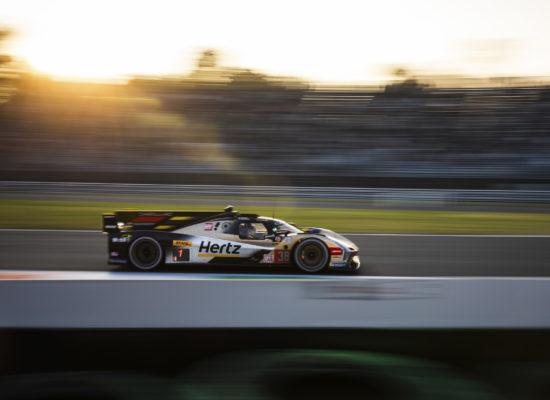
The race, however, again underlined the difficulty of converting pace into results. The #51 Ferrari was promoted to third after a late penalty reshuffled the order, while the #50 car finished seventh and the #83 AF Corse entry eighth. Cadillac won the race, and Toyota sealed the manufacturers’ title.
That context gives Ferrari’s final season with the 499P added significance. Global Head of Endurance and Corsa Clienti Antonello Coletta wants the car to leave the championship on a high.
“And we hope to show in front of our Tifosi the best of our sporting value,” Coletta said. “I hope to finish the career of the 499P because next year we will have the EVO in the best situation with the best result, because I think that this car deserves a good result in the last [season].”
When asked whether Ferrari’s next car would be called the 499P Evo or the 499P 2.0, Coletta was unwilling to give anything away.
“No comment. No comment. Will be a surprise,” he joked.
It is a suitably Ferrari answer. competitive detail withheld, expectation maintained, and attention secured.
Others evolve too
Peugeot and Ferrari are not alone in refining their machinery. Across the Hypercar grid, established manufacturers are using regulation cycles, development allowances and accumulated race data to strengthen their packages.
The lesson of recent seasons is that outright pace alone is no longer enough. Toyota’s Imola victory demonstrated the value of execution, while Cadillac’s Monza win showed how a programme can seize its opportunity when others falter.
For teams such as Cadillac, BMW, Toyota and Aston Martin, the challenge is to convert development into repeatability with fewer operational errors, stronger race strategies and a car capable of performing across the full range of WEC circuits.
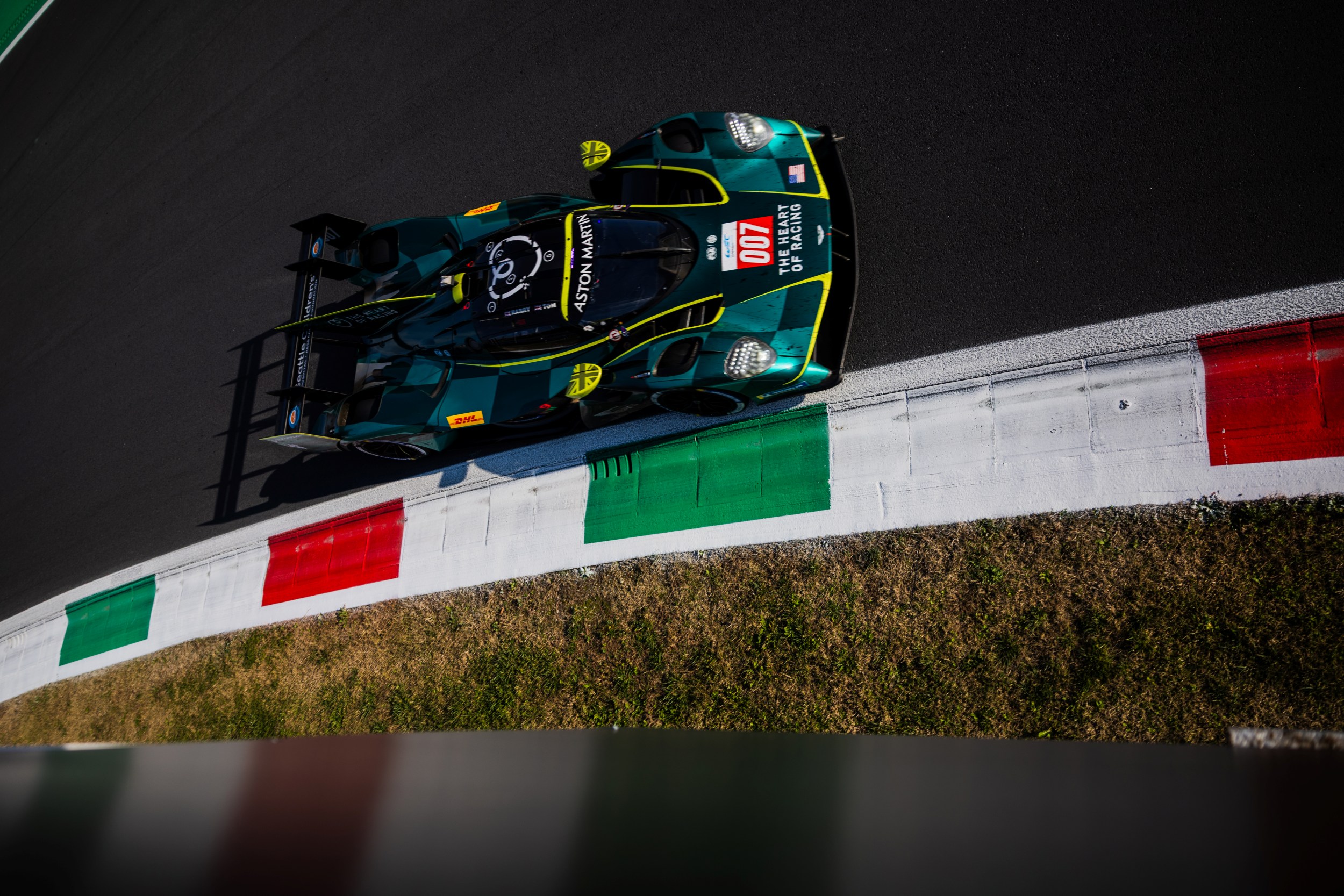
Aston Martin’s Tom Gamble confirms there are developments to come for Aston Martin as they look to crack the podium.
“These are complicated cars, you know, and there’s a lot of time to to be had if you sort of can maximise, you know, the package. We have some upgrades coming for next year to the car, so that’s going to be exciting,” Gamble explained. “So far in testing, they seem seem really nice and like a big step forward. So fingers crossed that that you know comes to fruition is the case, and you know we take another step forward.”
That is the standard Peugeot has set for itself. It is also the standard every manufacturer must meet if it wants to challenge Ferrari, Toyota and the rest of the established order.
McLaren and Ford arrive
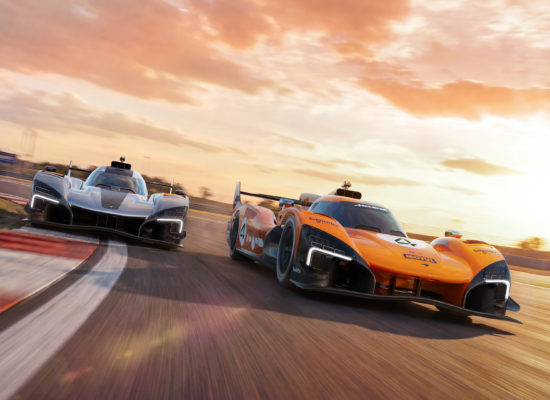
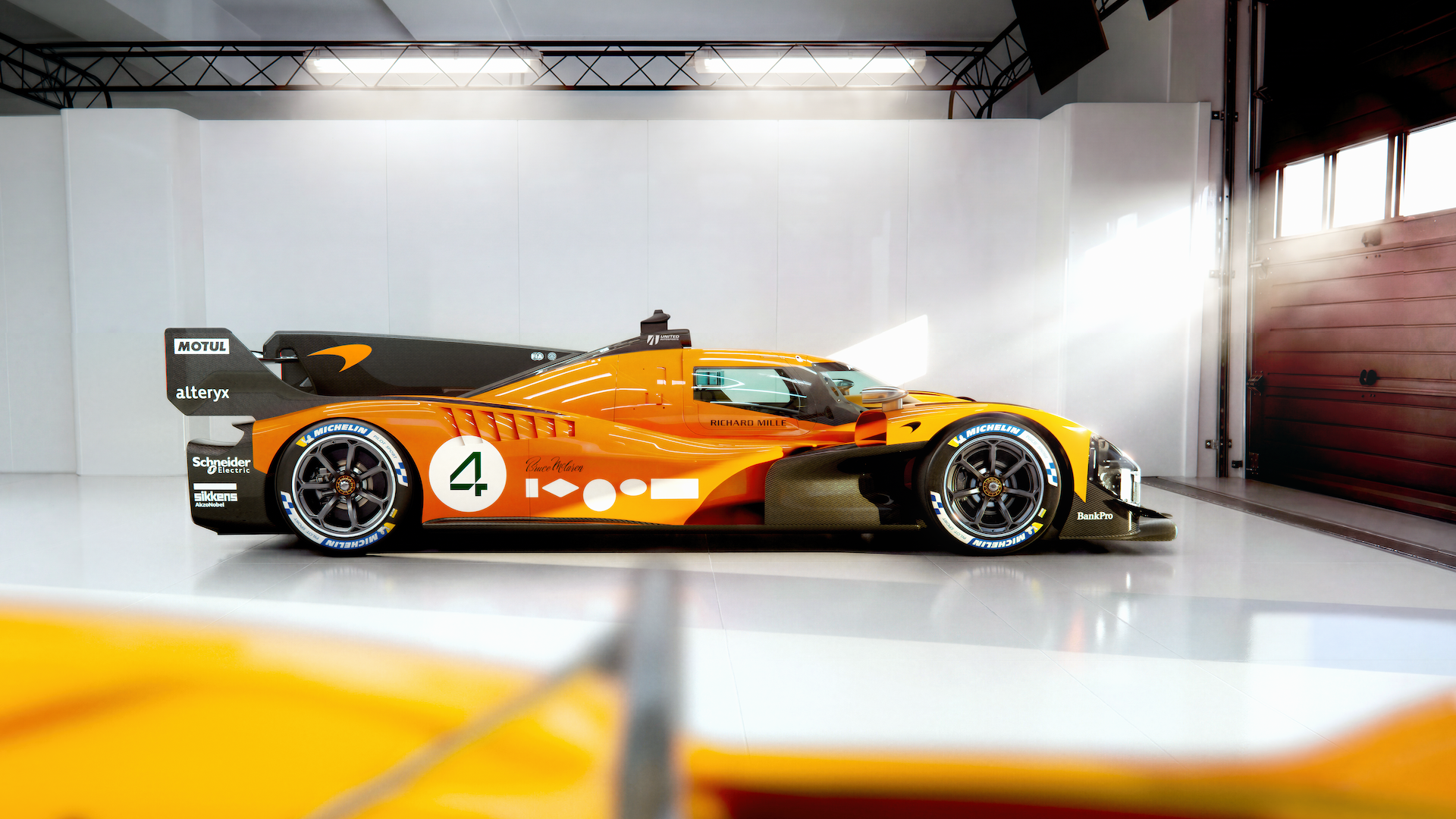
The most significant changes to the 2027 grid may come from McLaren and Ford. McLaren is preparing to enter Hypercar with its MCL-HY programme, bringing another major global brand into a championship already crowded with factory-backed entries.
RacerViews has previously reported that McLaren sees 2027 as both a competitive debut and the beginning of a longer-term learning process. Team chief, James Barcley acknowledges that it has ground to make up against rivals with years of Hypercar experience.
“We haven’t been running a Hypercar at the races where there are World Endurance Championship events,” Barcley said. “In many cases, people have been back there five, six, seven times. From that perspective, we have a lot of catching up to do. That’s a big mountain that we have to climb.”
But McLaren is not framing its entry as a mere participation exercise.
“Everything about our programme, the approach we’re taking with our investment in the programme, the driver lineup, the quality of the people we have across the team, is all about putting ourselves in a position, of course, to fight for podiums and win races,” Barcley continued. “We’re not here just to compete. We’re here to compete to be successful.”
McLaren has confirmed Mikkel Jensen, Laurens Vanthoor, Alex Lynn and Leonardo Fornaroli for its programme, with further seats still to be filled.
Ford’s arrival adds another layer of intrigue. The American manufacturer’s return to top-level endurance racing reinforces the WEC’s position as a global stage where heritage brands, modern manufacturers and ambitious new programmes can compete under the same technical framework.
For Ford, as for McLaren, the immediate challenge will be familiar: build a competitive car, establish reliable operations and learn quickly enough to challenge programmes that already have seasons of Hypercar experience behind them.
A grid preparing to shift
The 2027 FIA WEC season is therefore shaping up as a pivotal one. Peugeot needs its Evo to deliver a genuine step forward. Ferrari wants to send the 499P out with a fitting final result before its successor arrives. Established teams must continue evolving, while McLaren and Ford must turn ambition into credible operational programmes.
The Hypercar class has become one of motorsport’s most demanding environments: multiple manufacturers, closely matched machinery, global races and little tolerance for error. The next evolution will not simply be about who builds the fastest car.
It will be about who can turn potential into results.
The RacerViews info –
By Sam Tickell, on location at the FIA WEC 6 Hours of Monza
We are passionate, dedicated motorsport professionals.
In 2026 you will see us trackside and stageside with exclusive coverage of
- The World Endurance Championship
- The World Rally Championship
- Belgian Rally Championship
- British GT
- British Rallycross
- and more!
We aim to bring you interviews and photos you won’t see anywhere else. We don’t aim to break the news, rather we aim to bring the voices of the racers to you and the atmosphere of the event to you at home. Our social media presence on Facebook, Twitter and YouTube bring you more, a holistic experience. We partner with racers and professionals in the industry and give back where we can. If we can help you or you have a story to share, please contact us.