Toyota’s homecoming in Japan was always weighted with high expectation, but such anticipation did little to diminish the execution and composure shown across the four arduous days traversing the rain-drenched mountains around Toyota City. Rally Japan’s unique blend of long, technical asphalt sections and precipitous forest stages again stood out as one of the championship’s sternest tests, both for car and crew.
Conditions and Tactics
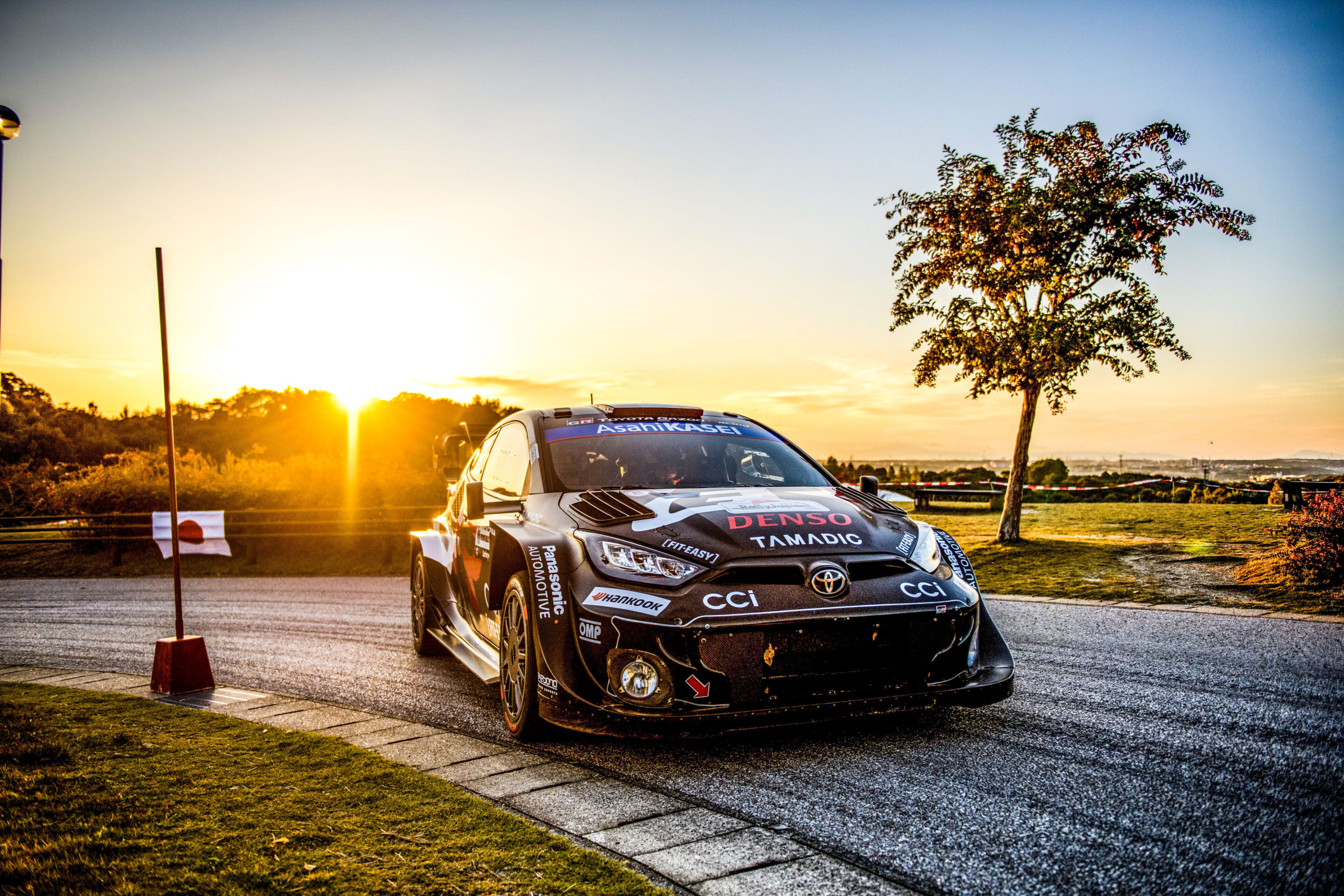
Rally Japan’s route rarely relents, requiring sustained technical proficiency rather than outright risk. This year’s edition was marked by persistent rainfall, leaving corner exits laced with unpredictability – damp patches and poorly drained surfaces threatened punctures and mechanical mishaps. Drivers were compelled to find balance between aggression and conservation, with the narrow profile and concrete barriers refusing forgiveness for even the smallest lapse in judgement.
Toyota Gazoo Racing, returning as the manufacturers’ champions, built their strategy on minimising error rather than maximising stage wins. Sébastien Ogier, partnered by Vincent Landais, delivered with discipline and reassuring metronomic pace, never exceeding the reasonable threshold given the conditions and championship implications.

Ogier’s Precision and Team Dynamics
Ogier’s victory – his sixth of the season – was emblematic, coming as the Frenchman held off Elfyn Evans and Takamoto Katsuta in the showdown for the drivers’ title. The Frenchman’s navigation through the treacherous final day, in particular, illustrated his command of risk and resource: Evans, the local specialist and previous double winner, briefly threatened to upend the established order, but Ogier’s experience ultimately carried the day through a nerve-jangling climax, with just tenths of a second separating them on the Power Stage.
Kalle Rovanperä’s campaign, meanwhile, unravelled at an innocuous moment: the Finn clipped a barrier on day two, damaging his rear suspension and leaving him limping through stages with palpable frustration. Ingenious roadside repairs permitted a sort of resurrection – climbing from seventeenth to seventh by rally’s end – though the calculus for the title saw his hopes severely diminished.
Katsuta, the “super Sunday specialist”, delivered for local fans and for Toyota, neutralising Saturday losses with a spirited attack and securing fifth, his joint personal best. His efforts cemented Toyota’s second consecutive home podium sweep – two wins for Ogier, two for Evans, and a debut top-tier WRC podium for Sami Pajari.
Hyundai and M-Sport: Trials and Takeaways
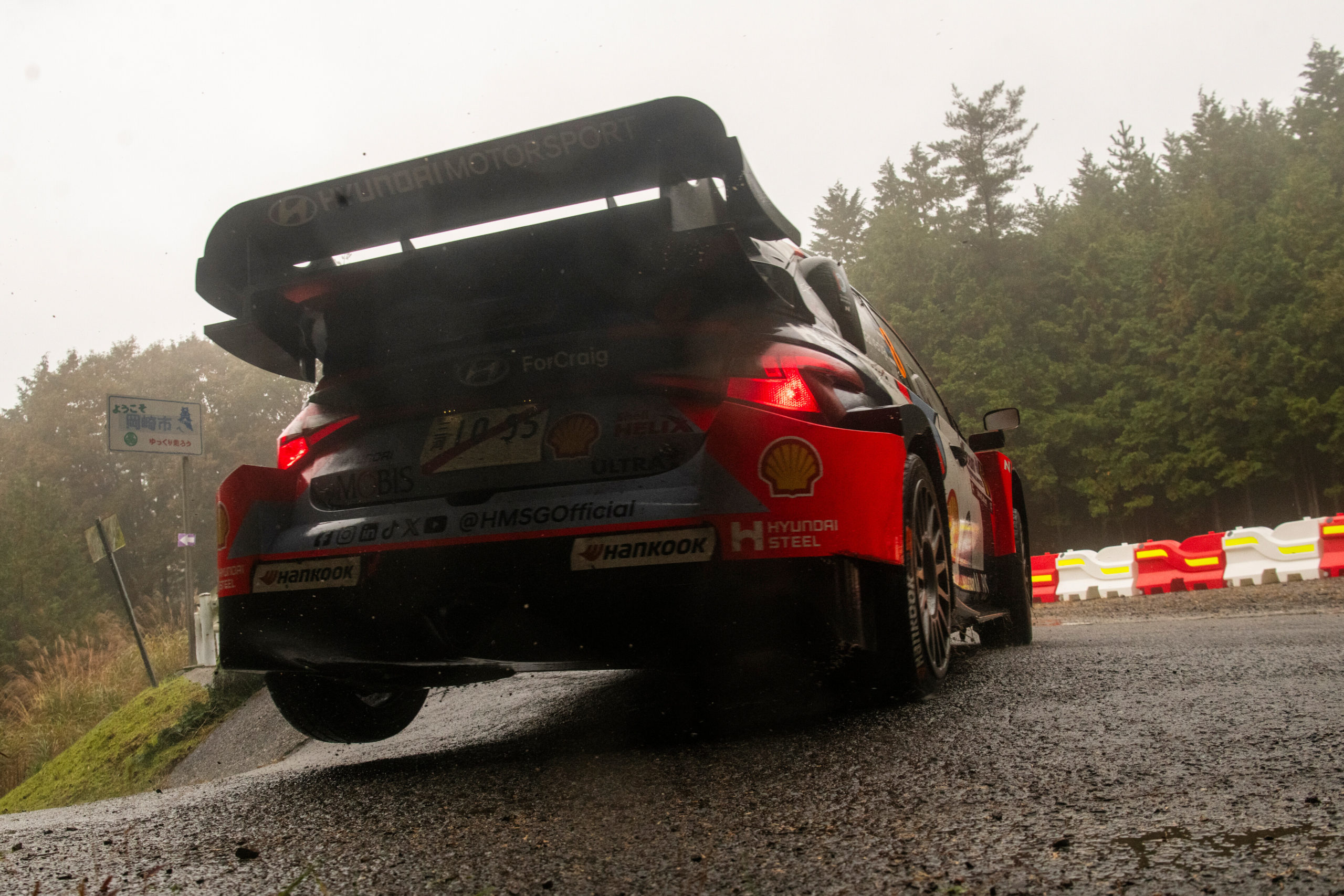
Hyundai’s ambitions appeared blunted from the outset. Ott Tänak’s remarks encapsulated a weekend spent chasing answers rather than results: suffering unidentified mechanical gremlins, his pace ebbed and flowed in response to persistent technical uncertainty. Even as the car’s set-up improved over the weekend, the Estonian’s tone reflected the fundamental challenge – recognition of the limits to competitive parity on the demanding Japanese tarmac.
For M-Sport, reliability rather than raw speed marked their progress. The broader field, including several Rally1 debutants, found little fortune on roads that penalised unfamiliarity and overcommitment. Punctures, mostly a product of sharp cuts and transitions between asphalt and concrete, were common; stage retirements and recovery drives were a frequent subplot.
Strategic and Human Factors
Behind the wheel, the contest in Japan elevated the human element of WRC. The capacity to adapt – both to conditions and to adversity – defined not only the podium but the character of the rally. Toyota’s tactical discipline, combined with individual flashes of daring from Evans and Katsuta, created a compelling narrative: measured speed, rather than bravado, won the day.
Manufacturers now head to the season’s final round in Saudi Arabia, with Ogier, Evans, Rovanperä, and their co-drivers locked in an all-Toyota fight for the highest honours. Just three points separate Ogier from Evans, and the championship is poised on a knife-edge, ensuring that the season’s coda will be dictated more by marginal gains than by grand gestures.

WRC2: Emergent Talent and Tactical Vigilance
While the Rally1 contest played out centre stage, WRC2 brought narrative richness through a blend of emergent talent and seasoned operators navigating considerable logistical and psychological pressures. The increased length and intricacy of the Japanese stages – over 300 competitive kilometres across varied asphalt – tested both car durability and team management, with many entrants travelling great distance and seeking to outwit rather than outgun rivals.
Alejandro Ketchum’s Command
Alejandro Ketchum, running without the weight of championship pressure, stamped authority on the category with a string of stage wins that displayed both precision driving and a clear tactical brief – maintain composure, prioritise finish. His ability to outmanoeuvre rivals in the afternoon loop, whilst adapting set-up between drying and rain-affected sections, resulted in several fastest times, and he ultimately maintained a margin over chief pursuers without overexerting either car or tyres.youtube+1
This is notable for two reasons: Ketchum’s adaptability in evolving conditions, and his strategic partnership with engineers to avoid any mechanical drama amid the additional workload placed on the Rally2 cars. His victory consolidates his reputation as a driver whose strengths transcend a single surface or continent.youtube+1
Championship Moves: Grizzen, Solins, and Dominguez
Nikolai Grizzen, locked in a points battle with Gus Greensmith (who was absent from this round), secured a vital second place by staying clear of trouble and maximising stage points, especially in the rain. Stage wins for Grizzen on day two underlined his capacity to match leading pace, if not always to outlast competitors in adverse conditions. The championship is now level between Grizzen and Greensmith, setting up a tense conclusion for WRC2 in the final two rounds.youtube+1
Jan Solins worked methodically to claim a podium place – valuable in both material points and confidence as the series moves to less forgiving terrains. Diego Dominguez, in the rally-to Toyota, offered glimpses of future potential, though he was unable to disrupt the established order up front, ultimately remaining outside leading contention even as he signalled intent for future events.
Tactical and Logistical Complexity
WRC2 crews face unique pressures, with privateer budgets amplifying the stakes of every repair and misstep – especially after the long transit east. Managing car health through consecutive narrow, technical stages, with fewer homologated spares and a strict tyre allocation, forces an “economy of risk” distinct from the factory-backed Rally1 crews. This reality drives a kind of tactical realism, with drivers quick to prioritise consistency and completion over headline-grabbing speed.
For sport management experts observing from afar, Rally Japan 2025 underscores the criticality of logistical excellence, resource allocation, and adaptive strategy – lessons equally vital off-track, in team decision-making and organisational culture.
Japan’s Place in the Championship Calculus
Rally Japan 2025 did not disappoint. It reaffirmed the value of technical acumen, collective discipline, and the capacity to translate strategic intent into tangible results amid high stakes and shifting conditions. Toyota’s commanding sweep, Ogier’s seasoned pace, and the emergence of new talent in WRC2 set the stage for a fitting finale in Saudi Arabia.
For those invested not simply in competitive outcomes but in the fabric of championship structure, logistical innovation, and the evolution of sport governance within motorsport, Rally Japan stood out as an essential case study in adaptive excellence, competitive parity, and the nuanced interplay of risk, skill, and resource.