

The 94th 24 Hours of Le Mans brings 18 Hypercars, a record-quick test day and a Ferrari squad chasing a fourth straight win — but Aston Martin, Toyota, Cadillac and Alpine have all closed the gap, turning 2026 into a high-stakes endurance dogfight rather than a coronation.
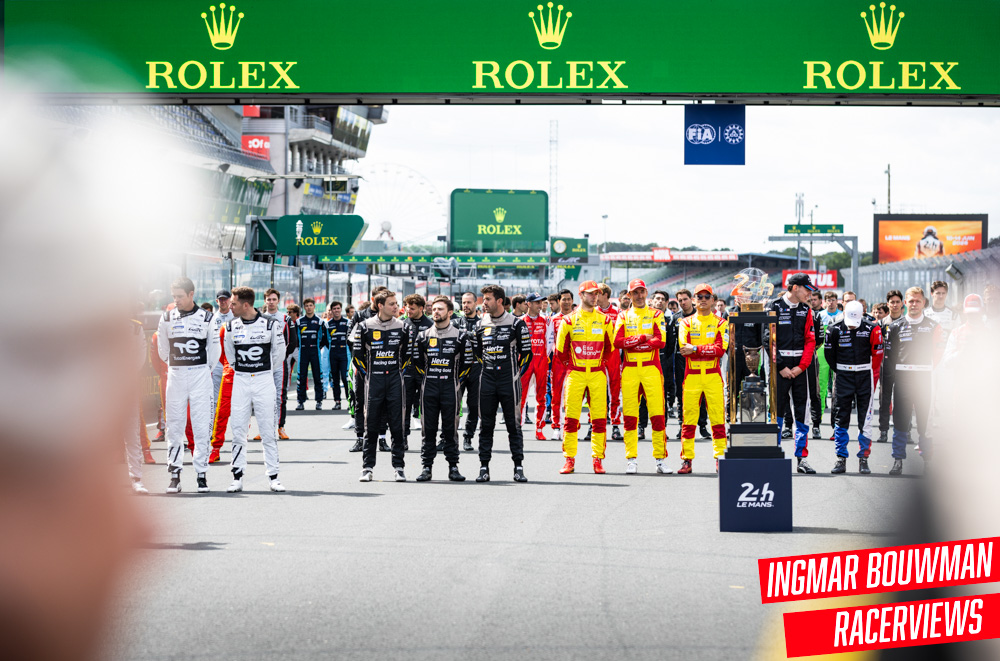
Setting the scene
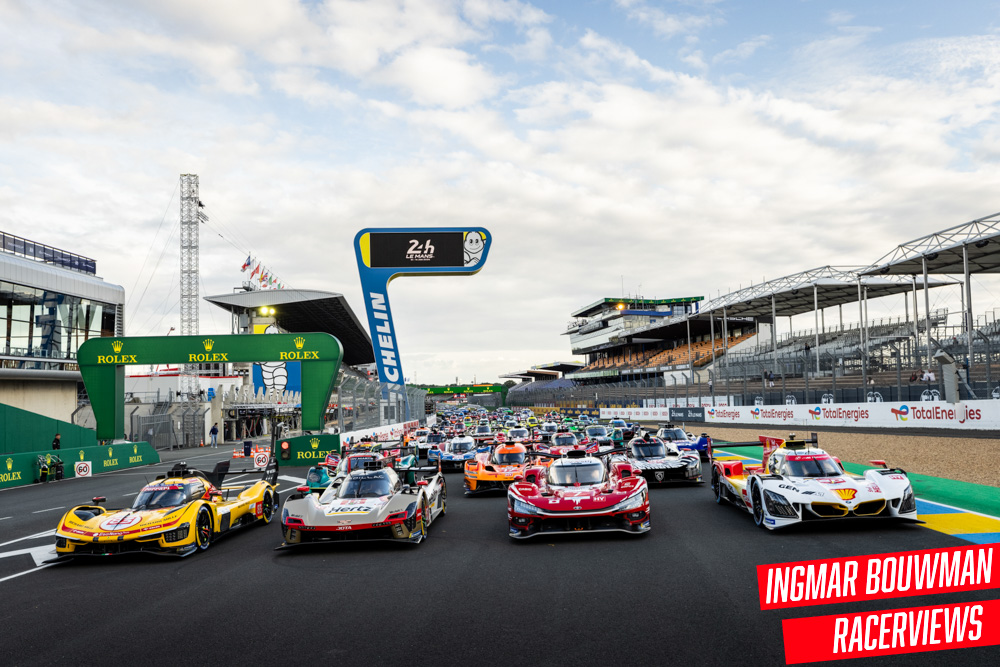
Le Mans doesn’t often do “status quo”, but even by its own chaotic standards 2026 feels unusually finely poised. The official test day left every Hypercar comfortably under 3m30s, eight manufacturers and 13 cars within a second, and the sense that this year’s race will be decided more by execution than by one dominant package.
Ferrari arrives as the benchmark, holder of three consecutive wins in the 499P era and still unbeaten over 24 hours at La Sarthe since its top-class return. Yet the numbers from the WEC test, and the wider arc of the season, tell us that Aston Martin, Toyota, Cadillac and Alpine all have a credible path to victory if they string together a clean week.
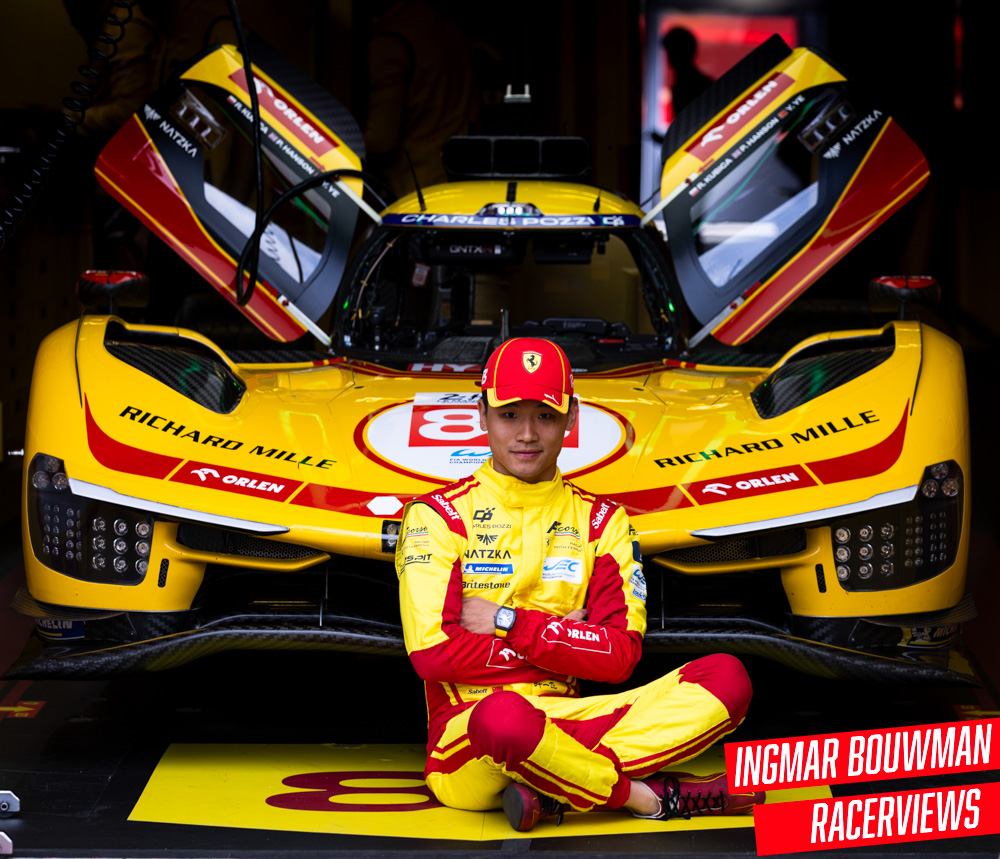
Ferrari – the hunted benchmark
You don’t walk away from a streak like Ferrari’s and pretend they’re anything other than the reference point. The 499P has evolved rather than been revolutionised since its 2023 debut, and the factory AF Corse entries bring the same blend of outright pace, operational sharpness and driver continuity that has underpinned their Le Mans run so far.
Ferrari’s test day didn’t headline the time sheets in quite the way Aston Martin did, but the averages still place Maranello’s red cars solidly in the competitive window, and history tells us Ferrari is very comfortable playing the long game. If the race finds a rhythm — long green-flag stretches, minimal slow zones — the 499P’s tyre life and fuel range remain potent weapons over 24 hours.
Toyota – the complete package
On any other year, Toyota would probably be the default favourite. The GR010 has been re-homologated along with the rest of the field, but the opening phase of the WEC season and Toyota’s Imola win suggest the Japanese marque still retains one of the most complete all‑round packages on the grid.
Test-day analysis grouped Toyota among the four leading manufacturers on average pace, and crucially, this is a team that has turned Le Mans into a habit as much as a target. The #7 and #8 line‑ups are as battle‑hardened as they come; if strategy gambles or mixed weather break the race open, Toyota’s ability to pivot quickly and run ultra‑long on fuel could be decisive.
Aston Martin – headline act with something to prove
If there was one name that dominated the headlines after the test, it was Aston Martin. The Valkyrie topped the timing sheets with the #007 entry, stopping the clocks at 3m26.293 and, more importantly, showing consistent long‑run pace rather than one flashed headline lap.
This is still a young Hypercar programme at this level, and 24 hours at Le Mans is a brutal way to learn whether you’ve really joined the elite. But on raw speed and trajectory alone, Aston Martin has moved from “nice story” to “genuine contender”, and the #007 and #009 crews will go into the week knowing that anything less than a sustained presence in the lead pack will feel like a missed opportunity.
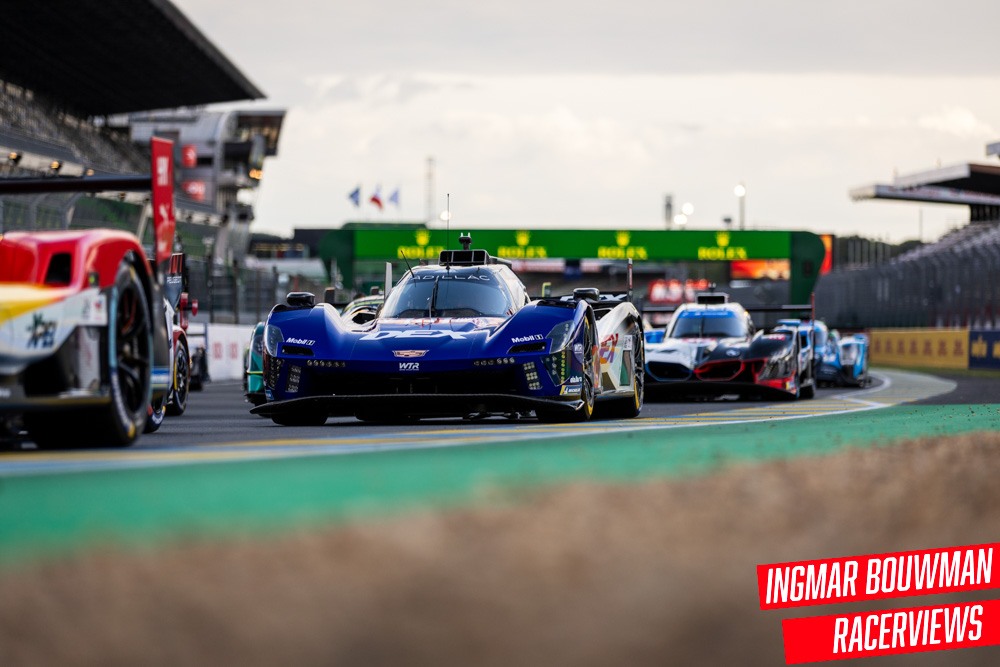
Cadillac – depth, data and a win finally within reach
Cadillac’s story at Le Mans has quietly shifted from novelty to permanence. The V‑Series.R has always looked and sounded the part; now the test data suggests it has the average pace to live with Toyota, Alpine and Aston over a full stint.
With multiple entries between factory and customer squads and a driver roster rich in WEC and IMSA experience, Cadillac’s strength might be its ability to put several cars into the sharp end as the night settles in. If reliability holds and the marque stays out of trouble in traffic, this finally feels like a year where “Cadillac wins Le Mans” is a realistic line to write rather than a romantic outlier.
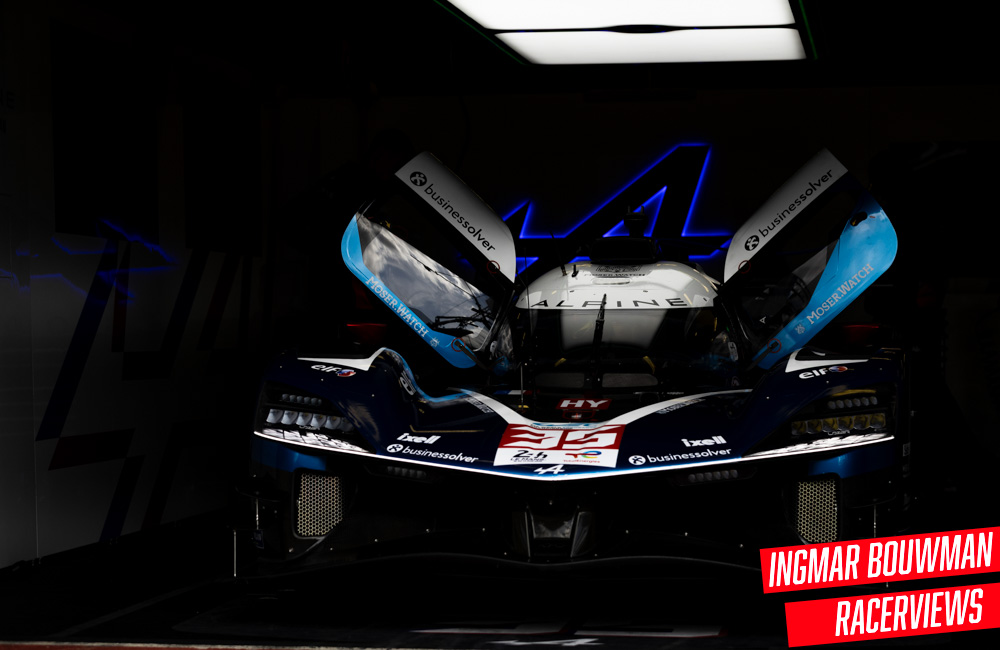
Alpine – the home team with real upside
Alpine has wanted this moment for a long time. The French marque’s Hypercar project has taken time to bed in, but test‑day analysis has Alpine firmly in that leading cluster of manufacturers on average pace, with both cars able to run in the low‑3m27s bracket without leaning on qualifying‑style laps.
There’s something about a French team going well at Le Mans that amplifies everything — the crowd, the pressure, the narrative. Alpine’s path to victory probably relies on others stumbling, but its path to the podium looks strong, and if the race fragments with safety cars and slow zones, a well‑timed gamble from the pit wall could propel the blue cars into something much bigger.
BMW, Genesis and Peugeot – the wildcards
BMW sits in an awkward but interesting space: not quite in the top four on test averages, but close enough that a clean race keeps the M Hybrid V8 in the conversation. The WRT-run effort has already shown in the WEC season that it can stitch together results, and Le Mans offers exactly the sort of attrition‑heavy race where a “solid” package can suddenly look like a winner at hour 20.
Genesis, meanwhile, is the great unknown. A first Le Mans appearance is a story in itself, and while the test numbers suggest the South Korean manufacturer is a step behind the front group, the upside of learning through a full 24‑hour cycle is enormous for the programme. Peugeot, by contrast, arrives trying to prove that its reworked 9X8 can finally turn flashes of speed into sustained competitiveness; the averages still place it behind the leaders, so Peugeot’s best‑case scenario probably involves chaos, safety cars and opportunistic strategy calls.
LMGT3 – packed class, fine margins
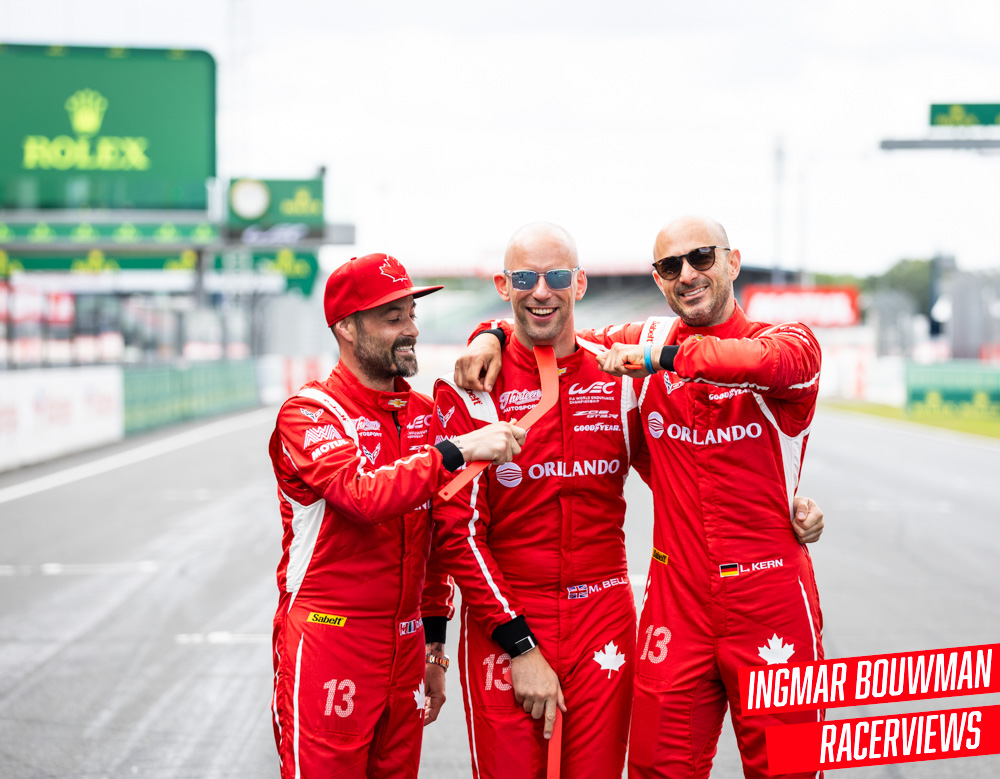
While Hypercar hogs the headlines, LMGT3 quietly shapes up as one of the most competitive GT fields Le Mans has seen. Nine manufacturers are on the grid — including Porsche, Ferrari, Aston Martin, BMW, McLaren, Corvette, Ford, Lexus and Mercedes‑AMG — and ACO stats note that 19 of the LMGT3 entries recorded test times within tenths of a second of each other.
Porsche’s Manthey squads look particularly sharp, with the #91 Manthey DK Engineering car and the #92 The Bend Manthey entry both featuring proven GT aces and a clear focus on class silverware. But with the class this compressed, the old Le Mans GT truths still apply: minimise penalties, manage traffic, don’t pick fights with Hypercars — and make sure your amateur drivers feel comfortable when the race is at its most chaotic.
The RacerViews read
Strip away the noise and the story feels refreshingly simple: Ferrari hasn’t stopped being Ferrari, but the rest of the field has caught up. Aston Martin brings the eye‑catching test headline, Toyota brings the muscle memory of multiple Le Mans wins, Cadillac brings depth, Alpine brings home‑field energy and BMW lurks close enough to punish any slip.
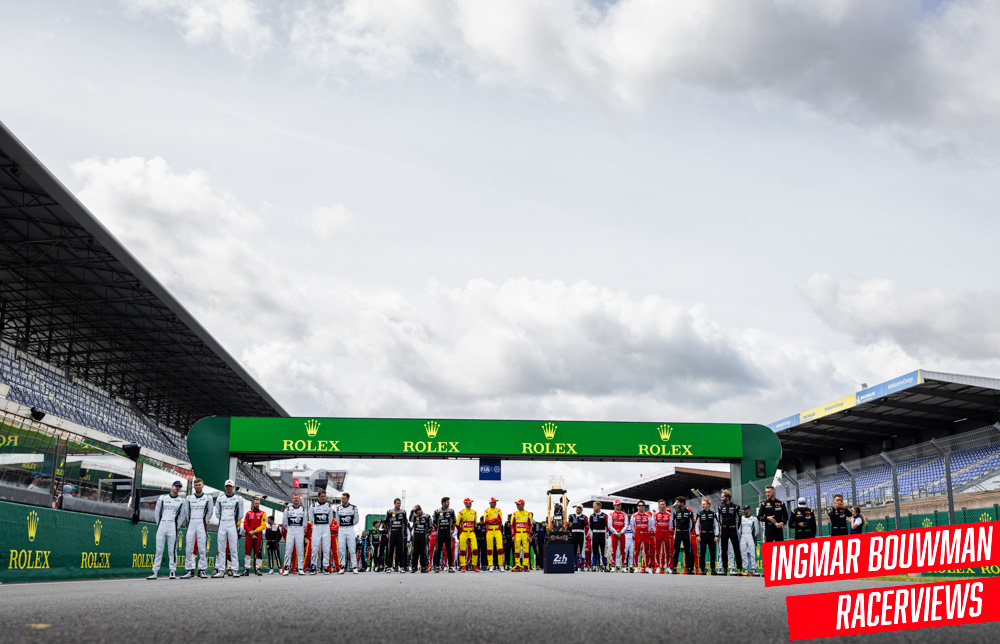
On that basis, the 2026 race looks less like a coronation and more like a knife‑edge endurance duel where small decisions — when you pit under safety car, how brave you are on tyre doubles, how cleanly your amateurs navigate LMGT3 traffic — will decide who has their photo taken on the pit straight at midday on Sunday. For once, “any one of five manufacturers could win this” doesn’t feel like preview hyperbole; it feels like a fair reflection of the numbers and a tantalising prospect for the next 24 hours at La Sarthe.


